Lords of the Fallen
A Souls-like set across two overlapping worlds, Lords of the Fallen nails its dual-realm gimmick but stumbles on pacing and performance. Worth your time if you can handle the friction.
GamerScout Verdict
A flawed but genuinely inventive Souls-like worth playing for the dual-realm mechanic, especially once patches stabilized the PC version.
Compare Prices(10 stores)
Every store in this table quotes us in euros, so the EUR figure is the price the seller actually set, not our arithmetic — which is why EUR is also the currency we rank in. We only list an offer here when the store gives us its price in euros, so nothing in this table is a number we invented.
Pick USD, PLN, GBP, CAD or AUD in the header and we convert from EUR at the European Central Bank reference rate — converted amounts are prefixed with ~. Your bank or the store may apply a different rate at checkout. We never hide offers based on where you are: everyone sees this whole table.
We may earn a commission when you buy games through links on this page — at no extra cost to you. It never affects our rankings or verdicts.
Price History
Screenshots & Media
About Lords of the Fallen
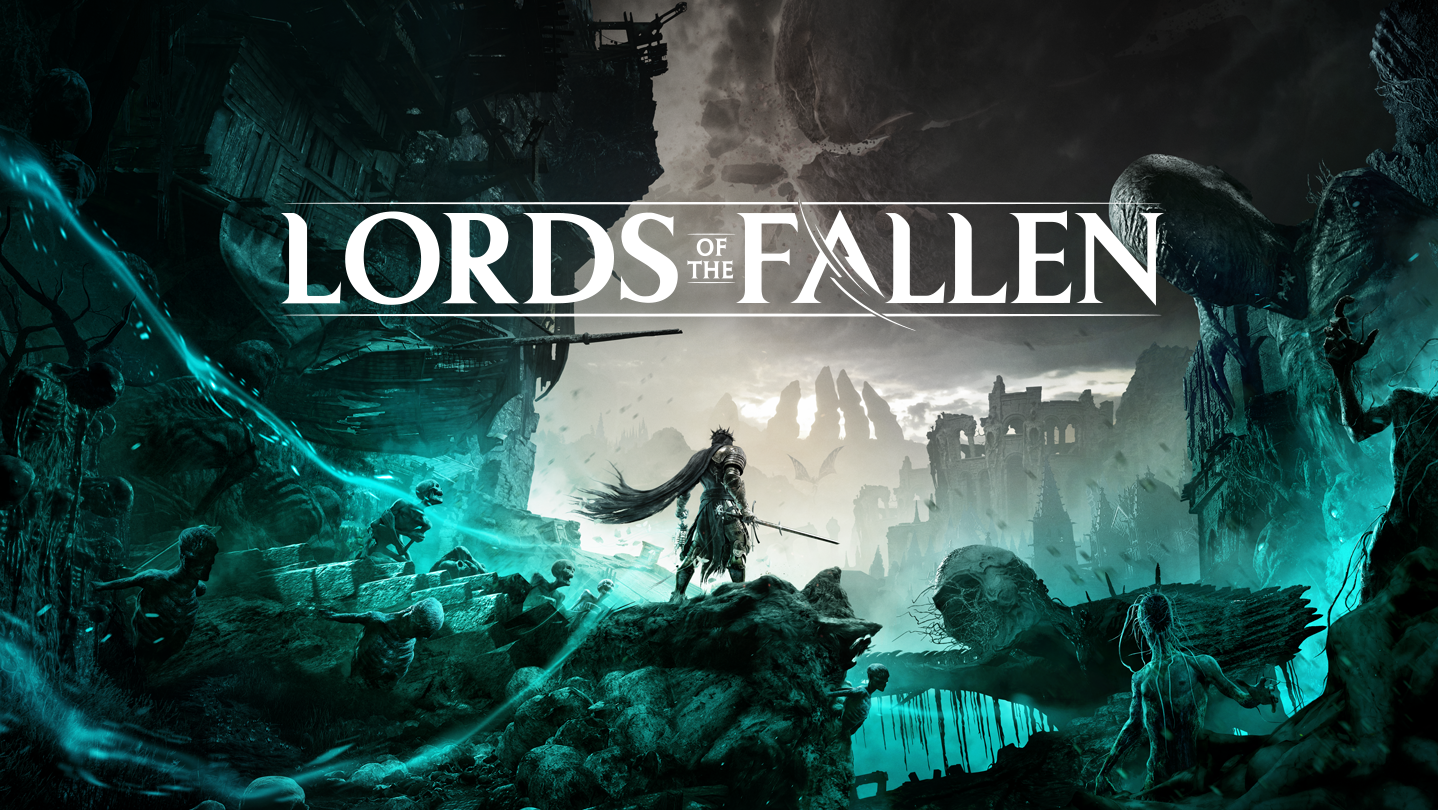
Lords of the Fallen is a third-person action RPG and a full reimagining of the 2014 original, built around one genuinely clever central mechanic: two worlds occupying the same space simultaneously. The living realm, Axiom, and the realm of the dead, Umbral, bleed into each other constantly. You can raise your lantern to peer through the veil and see geometry, enemies, and lore objects invisible in the waking world, or you can die and get pushed fully into Umbral, where the map warps, new threats spawn, and every second you spend there ratchets up the danger. It is the kind of idea that makes you sit up and pay attention, and for stretches of the game it absolutely delivers on its promise. The combat is Souls-adjacent in the obvious ways: stamina management, deliberate attack timing, parries, and hefty bosses with multi-phase patterns. Where it differentiates itself is in build breadth. There are nine classes at the start, ranging from the straightforward Hallowed Knight to the more exotic Pyric Cultist and Condemned, and the stat and equipment system rewards specialization without punishing you too harshly for experimenting. Radiance builds that lean on holy spells and healing feel meaningfully different from an Inferno caster or a heavy strength bruiser. Past hour 40, which is roughly where a thorough playthrough lands, the build variety holds up better than you might expect from a mid-tier Souls-like. Weapons have their own scaling paths, infusion options exist, and the dual-world system opens up additional upgrade materials tucked behind Umbral puzzles that genuinely feel earned rather than padded. So what does not work? The world design is uneven. The opening hours, set in the fortress of Fitzroy and the surrounding marshes, are dense and atmospheric. Later zones lose that tightness. Some areas feel like they exist to add map square footage rather than interesting encounters, and a handful of side quests are pure fetch-run errands with thin writing attached. For someone who cares about whether NPC storylines pay off, the companion arcs are present but shallow compared to what the genre can do. The lore is rich on paper, with a detailed mythology around the god Adyr and the faith-versus-corruption tension that structures the world, but most of it is buried in item descriptions rather than dramatized in the game proper. You will learn a lot from tooltips and not enough from cutscenes. Performance at launch was a documented problem on PC, with frame pacing issues and stutters in dense areas. Patches have improved stability meaningfully, but it still asks a lot of your hardware for what it delivers visually. The Umbral realm in particular can tank frame rates when it floods the screen with procedurally spawned enemies. If you are on a mid-range rig, check recent benchmarks before committing. Who is this for? Players who have cleared FromSoftware's catalog and want something that scratches the same itch with a genuinely fresh traversal mechanic. The dual-world concept alone justifies a playthrough if you like spatial puzzles woven into combat design. It is not the game for someone who wants tight, curated Souls design with no fat, and the narrative does not reward re-reads the way the best RPG writing does. But for a game with mixed reviews, it is more interesting than those numbers suggest, and the low points are mostly in pacing rather than fundamentals.

RPGs
Tags
System Requirements
Minimum
- Processor
- Intel Core 2 Quad Q8400 @ 2.66Ghz or AMD Phenom II X4 940 @ 3.0Ghz
- Memory
- 6 GB RAM
- Graphics
- GeForce GTX 460 or better
- DirectX
- Version 11 S…
Recommended
- OS
- Windows 10 64bit
- Processor
- intel i7 8700 | AMD Ryzen 5 3600
- Memory
- 16 GB RAM
- Graphics
- 8GBs VRAM | NVIDIA RTX-2080 | AMD Radeon RX 6700
- DirectX
- Version 12
- Network
- Broadband Internet connection…
DLC & Add-ons for Lords of the Fallen6
Expansions, DLC packs and add-on content for this game. Click any item to see store offers.
Keep exploring
Community Discussion
Be the first to comment on Lords of the Fallen.
Reviews & Ratings
Game Info
- Developer
- CI Games
- Publisher
- BANDAI NAMCO Entertainment
- Release Date
- Oct 13, 2023