Lightracer Spark
Playing god over an alien civilization sounds grander than it plays - but if heavy reading, stat-checked dialogue, and district-level resource puzzles are your comfort zone, this one earns its runtime.
GamerScout Verdict
Best for sci-fi lore readers who want narrative weight dressed up in light 4X management, not a systems-deep strategy game.
Compare Prices(7 stores)
Every store in this table quotes us in euros, so the EUR figure is the price the seller actually set, not our arithmetic — which is why EUR is also the currency we rank in. We only list an offer here when the store gives us its price in euros, so nothing in this table is a number we invented.
Pick USD, PLN, GBP, CAD or AUD in the header and we convert from EUR at the European Central Bank reference rate — converted amounts are prefixed with ~. Your bank or the store may apply a different rate at checkout. We never hide offers based on where you are: everyone sees this whole table.
We may earn a commission when you buy games through links on this page — at no extra cost to you. It never affects our rankings or verdicts.
Price History
Screenshots & Media
About Lightracer Spark
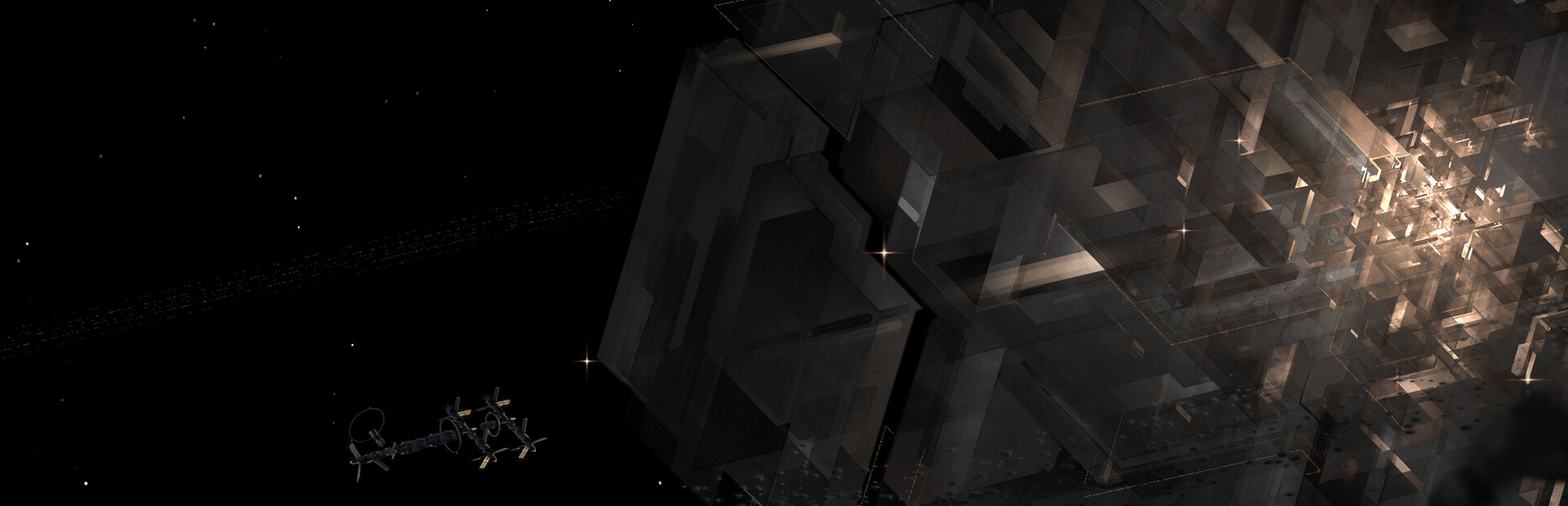
My spreadsheet instincts kicked in about twenty minutes into Lightracer Spark, right around the time I realized that forgetting to queue up buildings in a coastal district was going to cost me a war I had no idea was coming. That tension - between a game that moves at a glacial, novel-reader's pace and one that can quietly brick your scenario if your production queues are neglected - is the defining quality of Smartmelon Games' sci-fi narrative hybrid, and whether it delights or frustrates you depends almost entirely on your tolerance for that kind of slow-burn systems pressure. The core loop sits at the intersection of visual novel, light 4X management, and tabletop RPG stat checks. You play as an Amender, an agent of the United Cosmos Front, descending to underdeveloped worlds and pulling strings to push their civilizations toward the UCF's cosmic goals. On planet Originum, the first and most fully realized setting, that means managing districts with building slots that produce population, research, or energy; recruiting armies whose war index needs to exceed a region's defense rating before auto-resolved combat even begins; and unlocking space station modules that feed attribute points back into your Amender's stat profile. Your starting amendment path - Explorer, Observer, Theoretical, Pragmatic, or Balanced - shapes which dialogue options pass their stat checks early on, which is the closest this game gets to a build identity. Growth through decisions rather than traditional experience points keeps the RPG layer feeling light but purposeful. Two free DLC chapters extend the campaign to additional planets, and thorough players report around 25 to 30 hours of total content if they read every codex entry. For strategy-adjacent newcomers, the accessibility picture is genuinely better than the game's surface complexity suggests. The tutorial introduces mechanics through what feels like an immersive conversation rather than a dry tooltip dump, and the management layer stays forgiving enough that you rarely need precise build orders - you need awareness, not optimization. The real difficulty spike is informational: the opening hours throw proper nouns, faction names, and lore terminology at you faster than the game can reinforce them, and the codex, while surprisingly detailed, pulls you out of the planetary view every time you consult it. Dedicated lore-readers will be fine. Casual browsers will feel like they joined a campaign three sessions late. The weaknesses are structural. Combat is fully auto-resolved, which removes any tactical decision-making from the military layer and reduces war preparation to a numbers check rather than a genuine strategic problem. The English translation from the original Chinese is noticeably stiff in places, and becomes less accurate as the story advances - not a dealbreaker for genre fans, but it softens the impact of a narrative that otherwise touches on genuinely ambitious themes including discrimination, environmental collapse, and nuclear escalation mapped onto alien societies. There is no voice acting across a huge volume of dialogue, which is a missed opportunity given how strongly the hand-painted character portraits and stellar vistas carry the visual side. The soundtrack, at least, is quietly excellent - ambient enough to fade into focus sessions, tense enough to shift gears when scenarios escalate. For the strategy crowd asking whether the decision-making has real weight: yes, more than the light management skeleton implies. Choices branch meaningfully, outcomes in one scenario ripple into the next, and multiple endings per chapter give replays a genuine reason to exist beyond achievement hunting. The combat and economy systems are admittedly too forgiving to satisfy anyone looking for Paradox-level consequences, and there is no mod ecosystem to speak of. What Lightracer Spark does well is create a sense of operating at civilizational scale through text and choices rather than through map painting - a narrower ambition than Stellaris or Civ, but an honest one that pays off for the right audience.

Strategy & simulation
Tags
System Requirements
Minimum
- OS
- 64bit Windows 7/10
- Memory
- 4 GB RAM
- DirectX
- Version 11
- Storage
- 2 GB available space
- Graphics
- Nvidia GeForce GTX 650Ti 2G
- Processor
- Intel® iCore™ i5-2400 3.1GHZ
- Sound Card
- DirectX compatible
Keep exploring
Community Discussion
Be the first to comment on Lightracer Spark.
Reviews & Ratings
No ratings available
Game Info
- Developer
- Smartmelon Games
- Publisher
- Smartmelon Games
- Release Date
- Apr 12, 2023