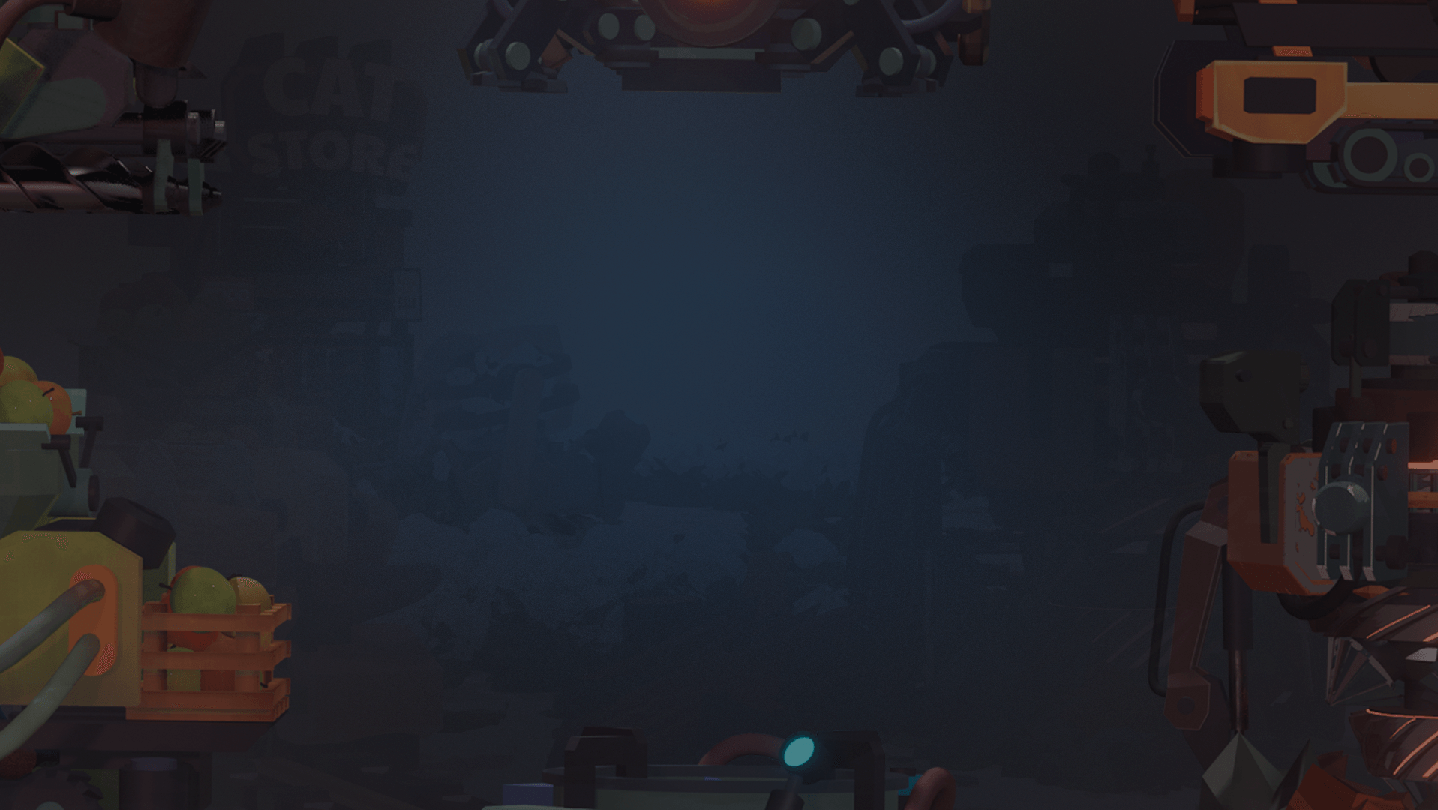
Learning Factory
A chill, cat-themed factory builder with layered transport systems and actual machine-learning mechanics baked into its research loop. No enemies, pure optimization.
GamerScout Verdict
Best for factory-game fans who want optimization depth without combat pressure and are curious about hands-on machine-learning mechanics.
Compare Prices(6 stores)
Every store in this table quotes us in euros, so the EUR figure is the price the seller actually set, not our arithmetic — which is why EUR is also the currency we rank in. We only list an offer here when the store gives us its price in euros, so nothing in this table is a number we invented.
Pick USD, PLN, GBP, CAD or AUD in the header and we convert from EUR at the European Central Bank reference rate — converted amounts are prefixed with ~. Your bank or the store may apply a different rate at checkout. We never hide offers based on where you are: everyone sees this whole table.
We may earn a commission when you buy games through links on this page — at no extra cost to you. It never affects our rankings or verdicts.
Price History
Screenshots & Media
About Learning Factory
Learning Factory is a factory-automation game where you supply goods to an island full of cats. That premise sounds whimsical, but under the pastel surface sits a genuinely deep production chain puzzle. You mine resources, process them through increasingly complex machines, route products via ground conveyors, underground tunnels, and aerial transport lines, and unlock technology through a branching research tree that spans dozens of nodes. The three-layer logistics system is the real hook: figuring out when to push a product underground versus overhead is the kind of spatial decision-making that sends you back to the drawing board more than once. The machine-learning angle is not a marketing gimmick. The game embeds a simplified ML training loop where you feed data about cat preferences into in-game neural-network nodes to predict demand and automate production decisions. It is approachable enough that you do not need a data-science background, but it has real depth if you want to optimize output ratios. Think of it as a second strategy layer sitting on top of the standard factory belt-and-ratio game. New players can ignore the finer tuning for several hours before the system demands attention, which is exactly the kind of difficulty ramp that respects your learning curve without patronizing you. Procedural world generation gives each run a meaningfully different layout, which matters for replayability. The research tree is wide rather than linear, so two playthroughs can develop very different factory shapes depending on which transport and production techs you prioritize early. The absence of combat or time pressure means you can pause, zoom out, and audit your supply chains without a wave of enemies burning your belts. For players who find factory games stressful because of attack mechanics, this is a genuine selling point rather than a missing feature. The 86-percent positive rating across 513 reviews on Steam suggests the core loop is landing for most buyers. Weaker spots exist. The tutorial covers fundamentals competently but does not go deep enough on the ML mechanics, so expect to spend time in community guides or the in-game glossary when the neural-net nodes start multiplying. Mid-game pacing can feel slow if your initial map layout forces long transport runs before you have the tier-2 logistics unlocks. The mod ecosystem is modest right now given the early 2025 release, though the developer has a history of active post-launch support. AI systems govern cat demand curves rather than opponent factions, so if you need a strategic rival to race against, this will feel too relaxed. For the strategy-and-sim crowd specifically: treat this the way you would treat a Zachtronics puzzle set inside a factory game. The satisfaction is in closing the loop on a production line and watching throughput numbers climb. Build out your underground routing first to keep the surface grid readable, invest in the demand-prediction research branch early, and do not underestimate how much the aerial layer changes your layout options in the late game. This is a well-constructed, low-stress automation game that earns its depth through layered systems rather than complexity for its own sake.

Strategy & simulation
Tags
System Requirements
Minimum
- Processor
- 2.0 GHz
- Memory
- 2 GB RAM
- Graphics
- Intel HD Graphics 3000
- DirectX
- Version 9.0
- Storage
- 1 GB available space
Recommended
Requires a 64-bit processor and operating system
Keep exploring
Community Discussion
Be the first to comment on Learning Factory.
Reviews & Ratings
Game Info
- Developer
- Luden.io
- Publisher
- Nival
- Release Date
- Jan 27, 2025