Last Time I Saw You
A hand-drawn debut from a tiny Osaka studio that pulls off something rare: a six-hour coming-of-age story about a boy, a cursed forest, and yokai that actually earns its ending.
GamerScout Verdict
Worth it for fans of quiet narrative games who can forgive light mechanics in exchange for hand-crafted atmosphere and an earnest story.
Compare Prices(6 stores)
Every store in this table quotes us in euros, so the EUR figure is the price the seller actually set, not our arithmetic — which is why EUR is also the currency we rank in. We only list an offer here when the store gives us its price in euros, so nothing in this table is a number we invented.
Pick USD, PLN, GBP, CAD or AUD in the header and we convert from EUR at the European Central Bank reference rate — converted amounts are prefixed with ~. Your bank or the store may apply a different rate at checkout. We never hide offers based on where you are: everyone sees this whole table.
We may earn a commission when you buy games through links on this page — at no extra cost to you. It never affects our rankings or verdicts.
Price History
Screenshots & Media
About Last Time I Saw You
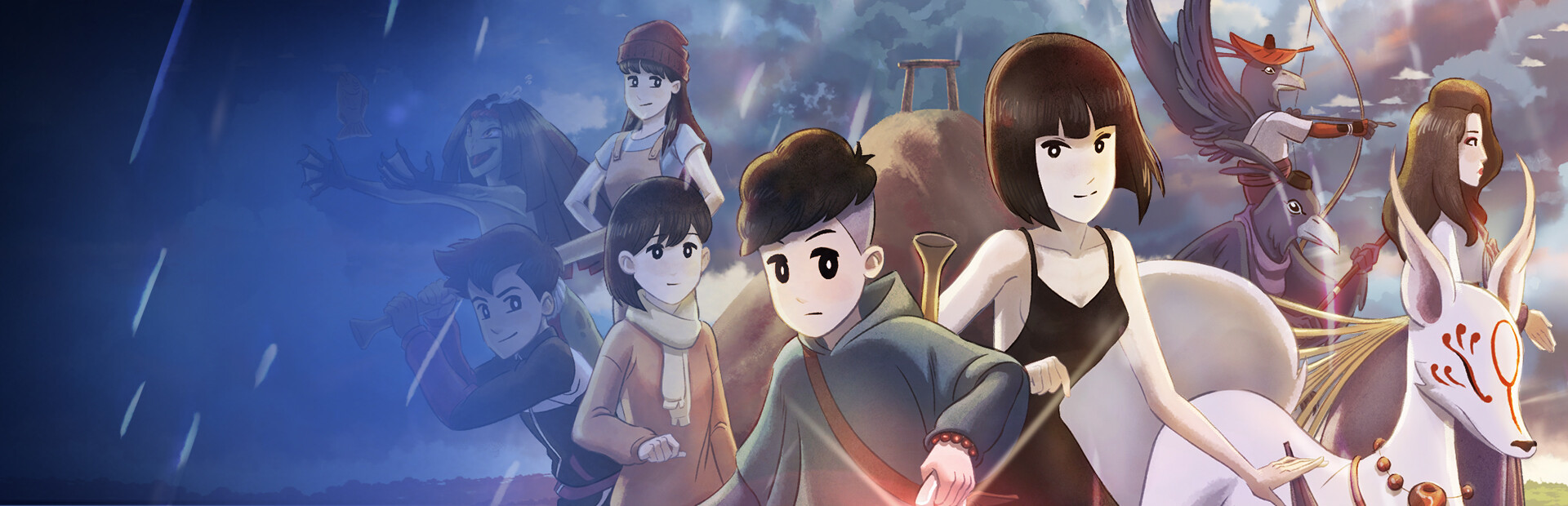
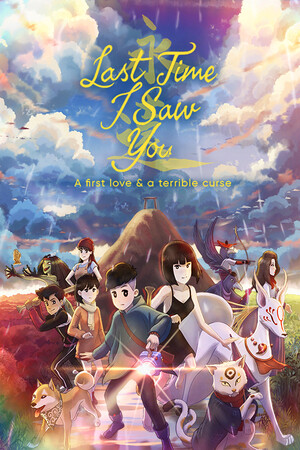
My first instinct when I booted Last Time I Saw You was to slow down and just look at it. Maboroshi Artworks is a brand-new studio, and this is their debut title, and yet the hand-drawn animation carries a level of craft you rarely see from first releases. Hazy lens flares, rainstorm light, the particular amber of a late-80s Japanese afternoon. The art alone sets a mood that most narrative games chase for years without achieving. The soundtrack, composed by Laryssa Okada, reinforces it: slow, wistful, closer to a lo-fi film score than a video game OST. Ambient forest sounds, echoing footsteps, distant birdsong. When those layers work together the atmosphere is genuinely transporting. You play as Ayumi, a twelve-year-old boy in the coastal town of Amatsu whose recurring dreams about a girl in the forest collide with an incoming typhoon. The game unfolds across roughly ten in-game days, each one structured around Ayumi's routines: talking to his parents before school, hanging out with best friends Nao and Manabu, spending his daily allowance at market stalls, and eventually pushing deeper into a forest the town treats as off-limits. The day-by-day rhythm is deliberate. Each new morning reveals something fresh. Townspeople shift, tensions surface, and the yokai of the forest, including kappa, nekomata, samurai crows, and a nine-tailed fox, gradually reveal layered backstories that are as melancholy as any human subplot in the game. The script is careful about this: flaws belong to everyone, living and supernatural alike, and the game is patient enough to let those flaws accumulate before paying them off. Gameplay sits closer to a streamlined side-scrolling point-and-click than a platformer, though it borrows lightly from both. Ayumi carries a baseball bat capable of a three-hit combo and a jump attack for dispatching smoke-like shadow spirits in the forest. The combat is low-stakes by design: shrines act as save points placed roughly one to two minutes apart, and the encounters test patience more than reflex. An air dash ability unlocks later and adds a small degree of mobility. The more engaging moment-to-moment activity is exploration: solving environmental puzzles involving ceremonial bells, leaving origami in specific locations, fulfilling sub-quests for townsfolk and forest spirits, and hunting down collectibles like kokeshi dolls and pachinko balls. There is also an in-game 8-bit console minigame at Ayumi's house that is notably harder than anything else in the experience, and it will frustrate completionists chasing full achievements. The backtracking across the map is the game's most consistent friction point. Default movement is set to Run for a reason, and even then, repeated trips between the town and deeper forest areas can feel repetitive during marathon sessions. Where the game earns its Metacritic 80 is in its writing and its restraint. The story knows when to be quiet. The daily wrap-up sequences where Ayumi bathes, talks with his parents, and processes the day have been criticized by some as repetitive, and fair enough, but they also build the domestic texture that makes the supernatural sequences feel genuinely strange by contrast. The yokai are not window dressing. Talking to them surfaces grief and longing in ways the human cast cannot quite reach. The creative director has cited Night in the Woods as a primary inspiration, and you can feel that: a preoccupation with small-town weight, with the specific sadness of people who stayed behind. For a debut release, Last Time I Saw You lands something that takes most studios several attempts to find.

Indie & narrative
Tags
System Requirements
Minimum
- OS
- Windows 10 Version 18362.0 or Higher
- Memory
- 8 GB RAM
- DirectX
- Version 11
- Storage
- 2 GB available space
- Graphics
- DirectX 11 - Compatible Graphics Card with at least 1GB of Video Memory
- Processor
- Dual Core 3.0 GHz Processor
- Sound Card
- DirectX Compatible Sound Card
Recommended
- OS
- Windows 10 Version 18362.0 or Higher
- Memory
- 8 GB RAM
- DirectX
- Version 11
- Storage
- 2 GB available space
- Graphics
- Nvidia GTX 970 | AMD RX 570
- Processor
- AMD Ryzen 3 | Intel i5 Skylake
- Sound Card
- DirectX Compatible Sound Card
Keep exploring
Community Discussion
Be the first to comment on Last Time I Saw You.
Reviews & Ratings
Game Info
- Developer
- Maboroshi Artworks
- Publisher
- Chorus Worldwide Games
- Release Date
- Oct 10, 2024