Kingdom: Classic
A minimalist 2D kingdom-builder where every coin spent is a calculated risk. Gorgeous pixel art, brutal resource loops, zero hand-holding.
GamerScout Verdict
Best for patient strategy players who enjoy cracking an opaque system through repeated failure, not those wanting guided depth.
Compare Prices(2 stores)
Every store in this table quotes us in euros, so the EUR figure is the price the seller actually set, not our arithmetic — which is why EUR is also the currency we rank in. We only list an offer here when the store gives us its price in euros, so nothing in this table is a number we invented.
Pick USD, PLN, GBP, CAD or AUD in the header and we convert from EUR at the European Central Bank reference rate — converted amounts are prefixed with ~. Your bank or the store may apply a different rate at checkout. We never hide offers based on where you are: everyone sees this whole table.
We may earn a commission when you buy games through links on this page — at no extra cost to you. It never affects our rankings or verdicts.
Price History
Screenshots & Media
About Kingdom: Classic
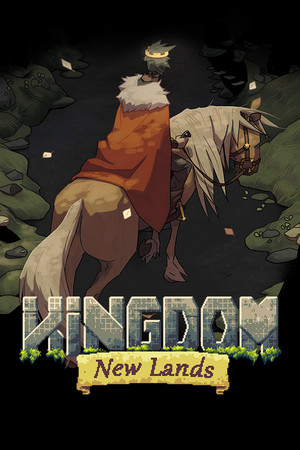
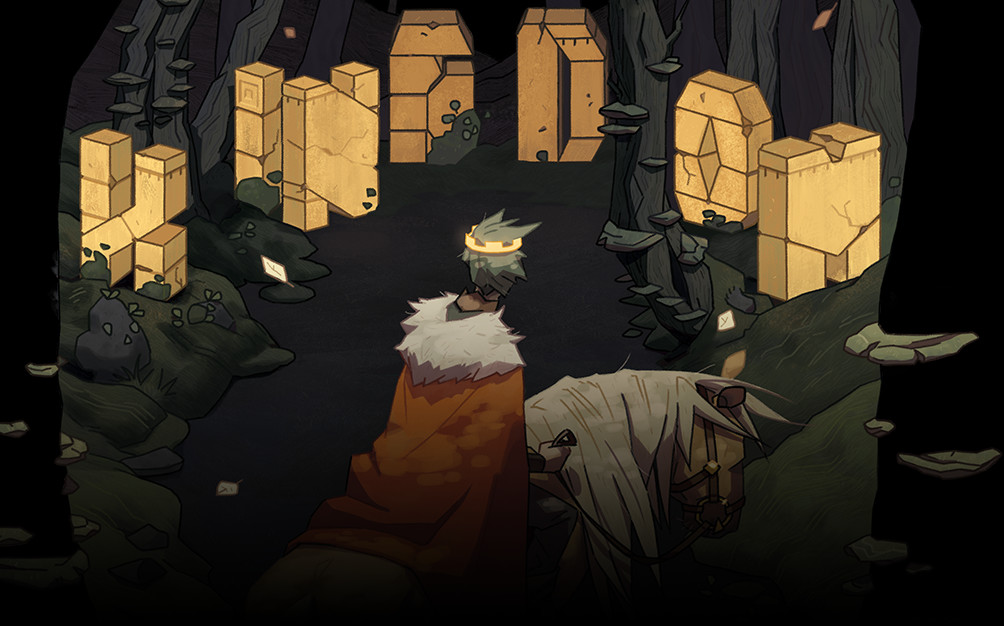
Kingdom: Classic is a 2D side-scrolling strategy and resource management game built around a single, deceptively simple loop: ride left or right, spend gold coins to recruit subjects and build structures, and hold your borders against nightly Greed attacks. There are no tooltips explaining optimal coin sinks, no tech tree laid out for you, and no pause button to slow down the chaos. What you get instead is a game that communicates almost entirely through visual feedback and quiet experimentation. For a strategy specialist used to spreadsheet empires, the first run will feel almost insulting in how fast it collapses. That's intentional, and it is the point. The core decision space is narrower than most strategy titles but surprisingly dense once you understand it. Coins are your singular resource. You earn them by sending archers to hunt, and you spend them to expand walls, upgrade the keep, hire new units, or research tools from hermit camps. The tension comes from the day-night cycle: every night, Greed creatures push from both edges of the map, and any coin you leave unspent on your monarch is a theft risk. Do you push recruitment hard and thin your wallet before dawn, or hoard for a wall upgrade and gamble that tonight's wave stays light? That single question, repeated with escalating pressure, is the whole game. It sounds thin. At 200-plus days in, it is not. Where Kingdom: Classic stumbles is in its opacity and session pacing. The randomised maps mean some runs hand you strong hunting grounds and early hermit unlocks, while others strand you in a coin desert by day ten. New players will almost certainly interpret their first few losses as the game being broken rather than as information. The tutorial amounts to a few vague visual prompts and the expectation that you will fail forward. That philosophy respects player intelligence, but it does front-load frustration in a way that will push off anyone without patience for trial-and-error learning. AI for the Greed is pattern-based rather than adaptive, which means once you crack the escalation curve it becomes a matter of execution rather than reaction. The late game can start to feel like maintenance rather than discovery. Mod support on the PC version is limited compared to the studio's later Kingdom: Two Crowns, and the Classic label signals exactly that - this is the original, feature-sparse release before co-op and expanded biomes arrived. If you already own Two Crowns, Classic offers little new mechanical ground. If you are coming in fresh, Classic is a legitimate entry point: shorter sessions, tighter scope, and a cleaner expression of the core idea before sequels layered on complexity. Think of it as studying the base build before adding extensions. For the strategy crowd, Kingdom: Classic sits in that rare category of games that look simple on a screenshot and reveal a genuine decision graph once you are inside them. It will not satisfy anyone hunting faction politics or unit micro, but if you enjoy the specific itch of resource optimisation under time pressure, the loop here is well-constructed and the pixel art atmosphere does real work in making each session feel like a story worth finishing. Run a few cycles before judging it on your first collapse.

Strategy & simulation
Tags
System Requirements
Minimum
- Processor
- Dual Core
- Memory
- 1 GB RAM
- DirectX
- Version 9.0c
- Storage
- 512 MB available space
Recommended
- Memory
- 4 GB RAM
- DirectX
- Version 10
- Storage
- 1 GB available space
Keep exploring
Community Discussion
Be the first to comment on Kingdom: Classic.
Reviews & Ratings
Game Info
- Developer
- Noio
- Publisher
- Raw Fury
- Release Date
- Oct 21, 2015