Katana Dragon
A handcrafted voxel love letter to classic top-down Zelda, built by a tiny Spanish studio with more heart than budget, and at 3-5 hours, it knows exactly when to stop.
GamerScout Verdict
Worth it for Zelda-style dungeon fans who accept a 3-5 hour Chapter 1 and can wait for the rest of the story.
Compare Prices(4 stores)
Every store in this table quotes us in euros, so the EUR figure is the price the seller actually set, not our arithmetic — which is why EUR is also the currency we rank in. We only list an offer here when the store gives us its price in euros, so nothing in this table is a number we invented.
Pick USD, PLN, GBP, CAD or AUD in the header and we convert from EUR at the European Central Bank reference rate — converted amounts are prefixed with ~. Your bank or the store may apply a different rate at checkout. We never hide offers based on where you are: everyone sees this whole table.
We may earn a commission when you buy games through links on this page — at no extra cost to you. It never affects our rankings or verdicts.
Price History
Screenshots & Media
About Katana Dragon
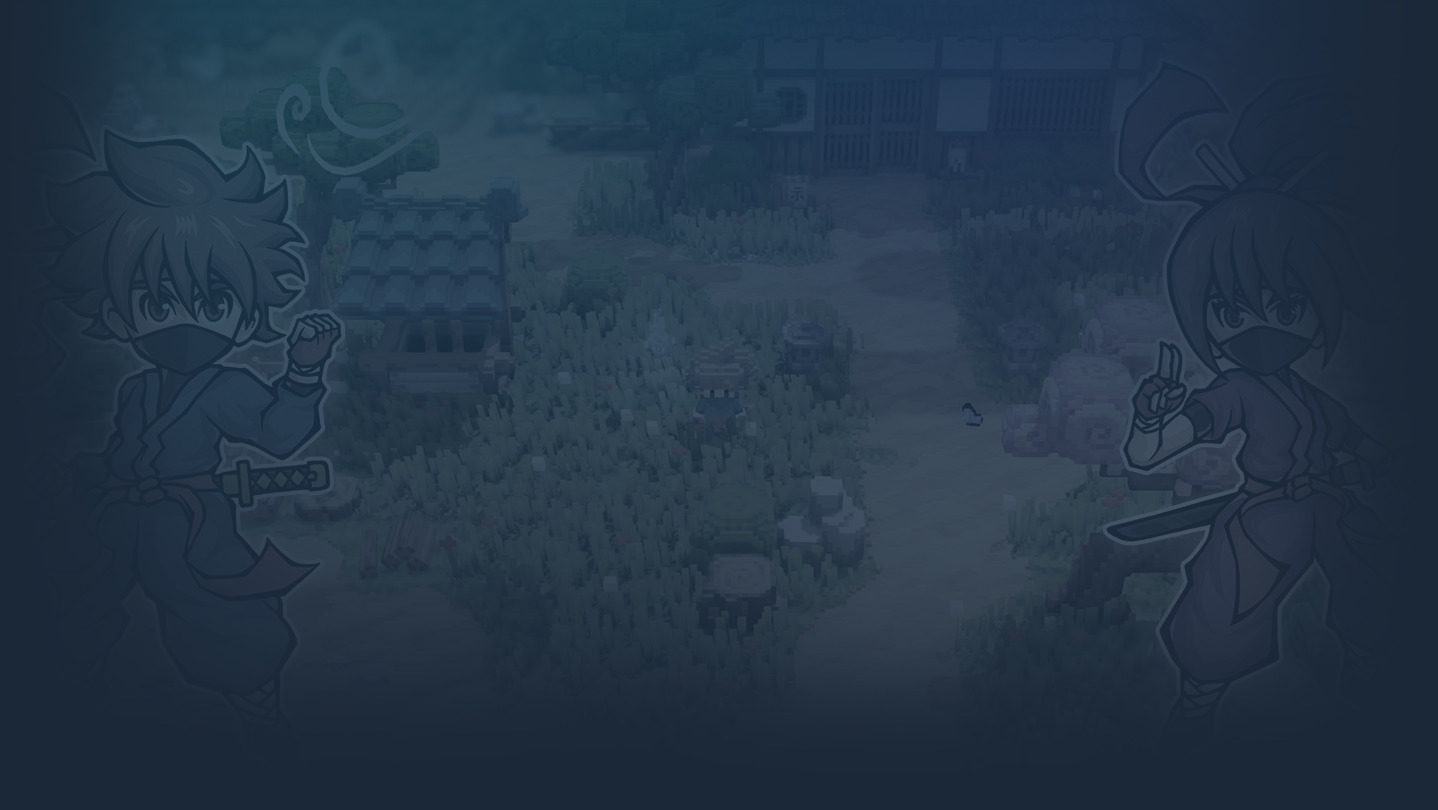
I picked up Katana Dragon expecting a mild curiosity and came away quietly charmed by how precisely Tsunoa Games understood what they were making. This is a small studio from Alicante that built their whole world inside MagicaVoxel, and the result looks like a diorama you want to reach into, bright, clean geometry, chunky characters, environments that feel hand-placed rather than procedurally shuffled. It sits in a very specific lineage: if A Link to the Past or Minish Cap left a mark on you, this speaks that same visual and structural language. Gameplay splits evenly between overworld exploration and structured dungeon crawling. The overworld is relatively linear, but riddled with the kind of secrets that reward players who stop and stare, suspicious chasms, oddly placed stones, hidden switches behind waterfalls. Chests yield cosmetic rewards: kimonos, samurai helmets, masks, giving you enough wardrobe flexibility to make Shin or Nobi feel like yours. The dungeons are where the pacing tightens up. Each one introduces a new ninja skill, then builds its puzzles and boss fight around that skill. The Shadow Clone ability, which lets you leave a copy of yourself on a pressure plate while you move freely, is a particular highlight, layering spatial thinking into rooms that initially look straightforward. The Ninja Dash, Shuriken Ki energy blades that ricochet off walls, and the unlockable skill tree all give combat and traversal a satisfying texture for a game this size. Dragon Gems slot into your gear across different forms and rarities for stat customisation, while Cursed Seals offer risky buffs that feel borrowed from a larger system, and that's the honest caveat: the seal mechanics feel like a foundation that hasn't been fully built on yet. The most common criticism floating around the community is structural, not creative. This is Chapter 1 of an episodic story. Most players finish it in three to five hours, reach the Wind Dungeon boss, and then the credits roll with a "to be continued." If you come in expecting a complete 20-hour RPG, the abrupt ending will frustrate. If you come in knowing what it is, a tight, beautifully crafted first act, the value proposition is reasonable. There are also early-build rough edges: some UI labelling is confusing, keyboard-and-mouse controls are functional but clearly secondary to a gamepad, and the Gokairium creature compendium is a lovely idea that's still lightly populated. The developers have signalled that new dungeons, more enemy types, additional skills, and expanded Cursed Seal content are in the roadmap, which is encouraging, though roadmaps are always promises. What lingers after the credits is the mood. There is something unhurried and sincere about how this world is assembled. The developers hid nods to their Spanish heritage throughout Sogen, small cultural signatures that give it a texture no asset pack could replicate. The idle animation where your ninja quietly falls asleep on the ground if you leave them standing too long is the kind of touch that tells you someone cared. For Linux players specifically, native support means zero Proton configuration headaches, which is rarer than it should be at this price range. Katana Dragon is not a finished saga. It is a first chapter that earns the next one.

Indie & narrative
Tags
System Requirements
Minimum
- OS
- Windows 10
- Memory
- 4 GB RAM
- Storage
- 2 GB available space
- Graphics
- NVIDIA GeForce GTX 1660
- Processor
- 2.5 GHz processor
Recommended
Requires a 64-bit processor and operating system
Keep exploring
Community Discussion
Be the first to comment on Katana Dragon.
Reviews & Ratings
No ratings available
Game Info
- Developer
- Tsunoa Games
- Publisher
- Tsunoa Games
- Release Date
- Jan 30, 2026