Jumping Knight
A sub-hour dark pixel platformer with genuine atmosphere and a jump mechanic that feels better than its budget suggests - held back by technical roughness that a solo developer never quite ironed out.
GamerScout Verdict
Worth a look only at a steep discount - the atmosphere and jump feel are real, but the technical rough edges undercut a genuinely promising debut.
Compare Prices(4 stores)
Every store in this table quotes us in euros, so the EUR figure is the price the seller actually set, not our arithmetic — which is why EUR is also the currency we rank in. We only list an offer here when the store gives us its price in euros, so nothing in this table is a number we invented.
Pick USD, PLN, GBP, CAD or AUD in the header and we convert from EUR at the European Central Bank reference rate — converted amounts are prefixed with ~. Your bank or the store may apply a different rate at checkout. We never hide offers based on where you are: everyone sees this whole table.
We may earn a commission when you buy games through links on this page — at no extra cost to you. It never affects our rankings or verdicts.
Price History
Screenshots & Media
About Jumping Knight
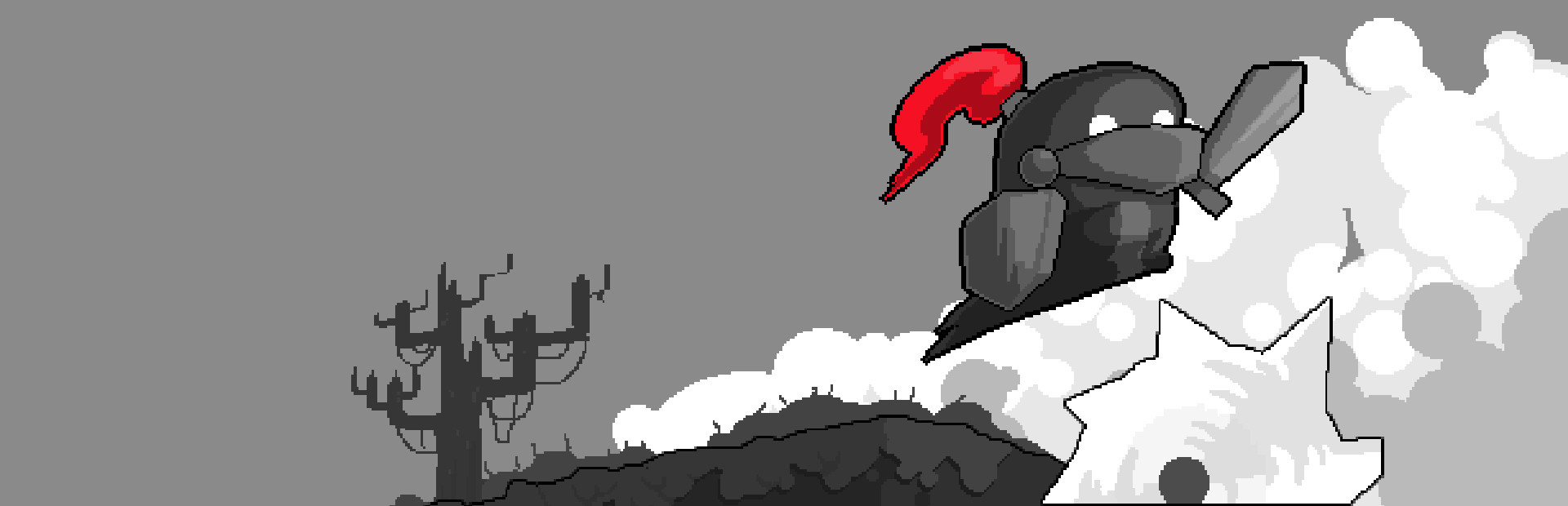
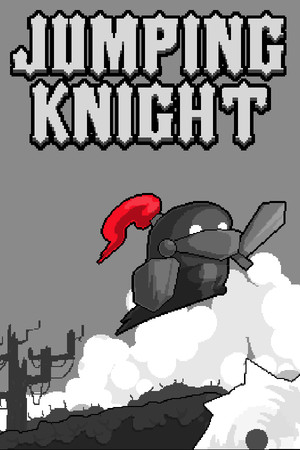
I have a soft spot for the tiny games that fall through the cracks, and Jumping Knight is exactly that kind of game. It is a 2D precision platformer built around timing and obstacle avoidance, draped in a moody dark-pixel aesthetic that punches noticeably above its apparent scope. The premise is tissue-thin - a small knight chasing a kidnapped princess through a series of hazard-strewn levels - but the atmosphere carries a quiet sincerity that bigger budget games sometimes forget to have. The dark world, the sparse eerie ambience in place of a full soundtrack, the way background sounds do the emotional lifting instead of music: it all suggests a developer with real instincts about mood. The core loop is obstacle-based platforming where each level presents a different configuration of barriers, and the emphasis falls entirely on reading patterns and committing to timing windows. The jump response is genuinely tight - players who stuck with it consistently praised how the controls feel in motion, which is the one thing a precision platformer cannot afford to get wrong. Levels are short and structured more like arcade gauntlets than exploratory stages, so deaths feel instructive rather than punishing. There is a checkpoint system that saves progress on restart, which matters more than it sounds given the game's stability issues. And here is where honesty has to enter the picture. The technical side is a mess in places. Keybinds cannot be remapped, there is no native fullscreen mode, crashes to desktop happen with enough frequency to notice, and there is no controller support at all - players wanting to use a gamepad have had to route through third-party software. The audio can desync from the visuals, particularly with falling block sounds, and performance hitches arrive near checkpoints and respawns. These are not small polish complaints. For a game this short - most players finish in under an hour, some in closer to thirty minutes - friction in the basic UX loop stings more than it would in a ten-hour game. What is left when you strip out the technical complaints is something small but not nothing. The macabre pixel art has real character. The atmosphere, built through sound design rather than music, creates a minor but genuine mood. The platforming, when it works, has the satisfying click of a mechanic designed with care. It reads like a developer's first serious attempt at shipping something, and within that frame it shows enough promise to make the stumbles feel genuinely unfortunate rather than lazy. If you have any patience for rough-around-the-edges indie work and the runtime is not a dealbreaker, there is a small dark world here worth a visit.

Indie & narrative
Tags
System Requirements
Minimum
- OS
- Windows 7 or hight
- Memory
- 2 MB RAM
- Storage
- 200 MB available space
- Graphics
- 1 GB
- Processor
- more than 2.0 Ghz
- Sound Card
- any
Keep exploring
Community Discussion
Be the first to comment on Jumping Knight.
Reviews & Ratings
No ratings available
Game Info
- Developer
- Egutidze
- Publisher
- My Way Games
- Release Date
- Dec 17, 2020