Jack Orlando: Director's Cut
A fedora-wearing relic of 1990s point-and-click design with gorgeous hand-drawn noir art and puzzle logic that will make you question your sanity. Worth it only if you arrive with a walkthrough and a sense of humor.
GamerScout Verdict
Best for hardcore adventure game collectors who can treat a walkthrough as a co-pilot and the voice acting as unintentional comedy.
Compare Prices(7 stores)
Every store in this table quotes us in euros, so the EUR figure is the price the seller actually set, not our arithmetic — which is why EUR is also the currency we rank in. We only list an offer here when the store gives us its price in euros, so nothing in this table is a number we invented.
Pick USD, PLN, GBP, CAD or AUD in the header and we convert from EUR at the European Central Bank reference rate — converted amounts are prefixed with ~. Your bank or the store may apply a different rate at checkout. We never hide offers based on where you are: everyone sees this whole table.
We may earn a commission when you buy games through links on this page — at no extra cost to you. It never affects our rankings or verdicts.
Price History
Screenshots & Media
About Jack Orlando: Director's Cut
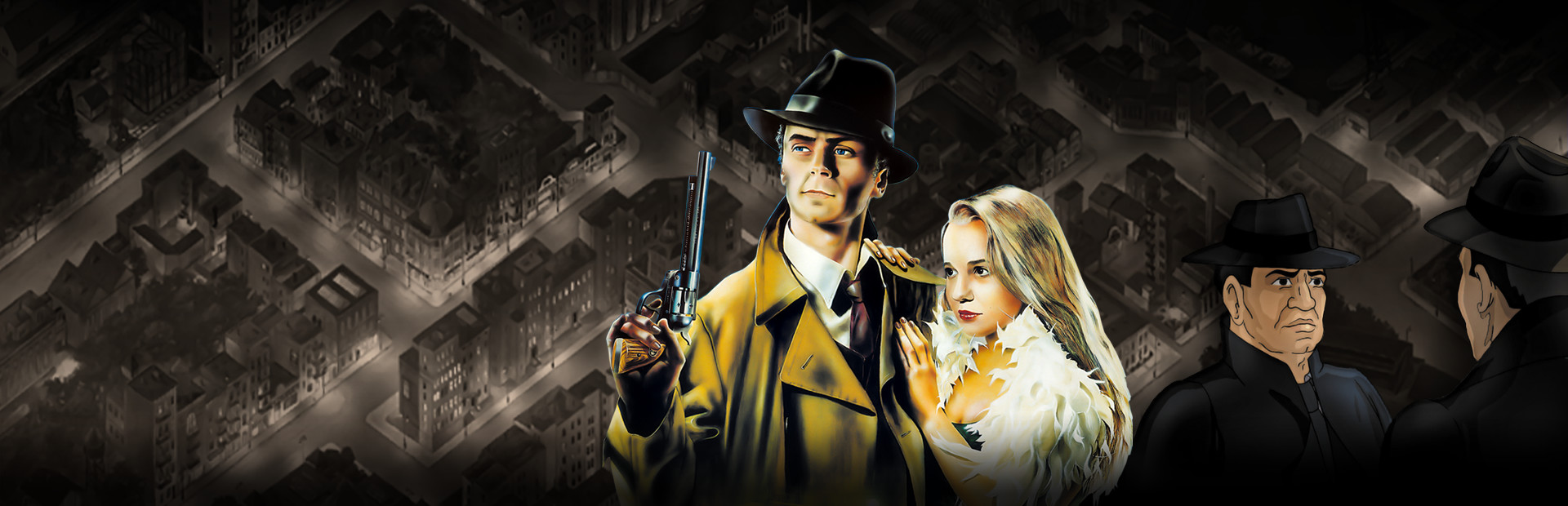
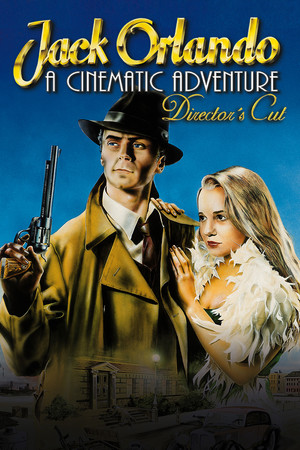
My honest first reaction when booting this one up was genuine delight: airbrush-painted 1930s street scenes, jazz on the soundtrack, a down-and-out detective framed for murder. The setting has real pull. Jack Orlando is a washed-up private investigator who used to collar bootleggers during Prohibition and now drinks himself into crime scenes. He wakes up next to a corpse, gets 48 hours from the inspector to prove his innocence, and the player is left to untangle an organized crime conspiracy across four episodes and over 200 screens of hand-painted scenery. On paper, that sounds like a perfectly decent noir adventure. The reality is more complicated. The hand-drawn art is genuinely the game's strongest card. Backgrounds are richly painted, small ambient details like flapping paper and animated street traffic give the city life, and a neat little round close-up of Jack pops up every time you solve a puzzle, which is a charming touch. The jazz-infused soundtrack, composed by Harold Faltermeyer (of Top Gun and Beverly Hills Cop fame), holds up well and keeps the atmosphere afloat across the longer stretches of exploration. If you squint at screenshots you could be looking at a forgotten LucasArts cousin. Stop squinting and the problems pile up fast. Inventory management is the first culprit: the game deliberately lets you pocket useless junk alongside real clues, which sounds interesting until you are late-game with 50-plus items in Jack's coat and no clear signal about which ones matter. Accessing that inventory at all requires pressing F1, something the game never tells you. There is no tutorial and no in-world guidance, which was standard practice in 1997 when this originally shipped, but stings harder today. The puzzle logic swings between workable item-combination problems and genuinely baffling leaps, including a surreal detour through what appear to be medieval catacombs in 1930s Chicago. The voice acting lands somewhere between accidentally funny and actively distracting, with dialogue that reads like a translation that lost two drafts along the way. Steam user reviews sit at a mixed 64 percent positive, and that split feels accurate: the people who love it tend to love it as a curiosity, not as a polished experience. The Director's Cut adds six new scenes and a choice between Normal and Easy difficulty. Easy mode removes the death states, drops some timed puzzles, and trims a few scenes, making it the saner entry point for anyone who does not have nostalgic patience for 90s-era obtuse design. Normal mode is the full, unforgiving experience where following a walkthrough is not cheating but survival. This is a game that the community openly advises you to play with a guide open, and that tells you most of what you need to know about whether it respects your time. Who actually enjoys this? Collectors of late-90s adventure games who want to experience the full weird spectrum of the genre, players who can find comedy value in spectacular translation errors and unhinged voice performances, and anyone who genuinely wants to spend time in a hand-painted Prohibition-era city regardless of the surrounding friction. If you fall outside those groups, the frustration will outpace the charm long before the credits roll.

Catch-all
Tags
System Requirements
Minimum
- OS
- Windows XP, Vista, 7 or 8
- Memory
- 1 GB RAM
- DirectX
- Version 9.0
- Storage
- 700 MB available space
- Graphics
- any Windows compatible GA
- Processor
- Intel or AMD Singlecore CPU
- Sound Card
- Windows Compatible Sound Card
Recommended
- OS
- Windows XP, Vista, 7 or 8
- Memory
- 2 GB RAM
- DirectX
- Version 9.0c
- Storage
- 700 MB available space
- Graphics
- nVidia GeForce, or ATI/AMD Radeon
- Processor
- Intel or AMD Singlecore CPU
- Sound Card
- Windows Compatible Sound Card
DLC & Add-ons for Jack Orlando: Director's Cut1
Expansions, DLC packs and add-on content for this game. Click any item to see store offers.
Keep exploring
Community Discussion
Be the first to comment on Jack Orlando: Director's Cut.
Reviews & Ratings
No ratings available
Game Info
- Developer
- Toontraxx Studios
- Publisher
- Topware Interactive
- Release Date
- Oct 4, 2013