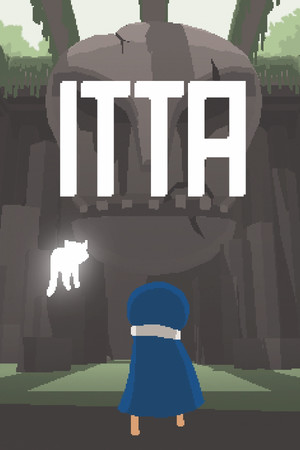
ITTA
A four-to-five-hour purgatory crawl where the story quietly outguns the combat. Worth it for the pixel artistry and the haunted silence between boss rooms.
GamerScout Verdict
Best for players who want a short, emotionally weighted boss-rush with pixel artistry to savour and a story they'll think about after the credits.
Compare Prices(4 stores)
Every store in this table quotes us in euros, so the EUR figure is the price the seller actually set, not our arithmetic — which is why EUR is also the currency we rank in. We only list an offer here when the store gives us its price in euros, so nothing in this table is a number we invented.
Pick USD, PLN, GBP, CAD or AUD in the header and we convert from EUR at the European Central Bank reference rate — converted amounts are prefixed with ~. Your bank or the store may apply a different rate at checkout. We never hide offers based on where you are: everyone sees this whole table.
We may earn a commission when you buy games through links on this page — at no extra cost to you. It never affects our rankings or verdicts.
Price History
Screenshots & Media
About ITTA
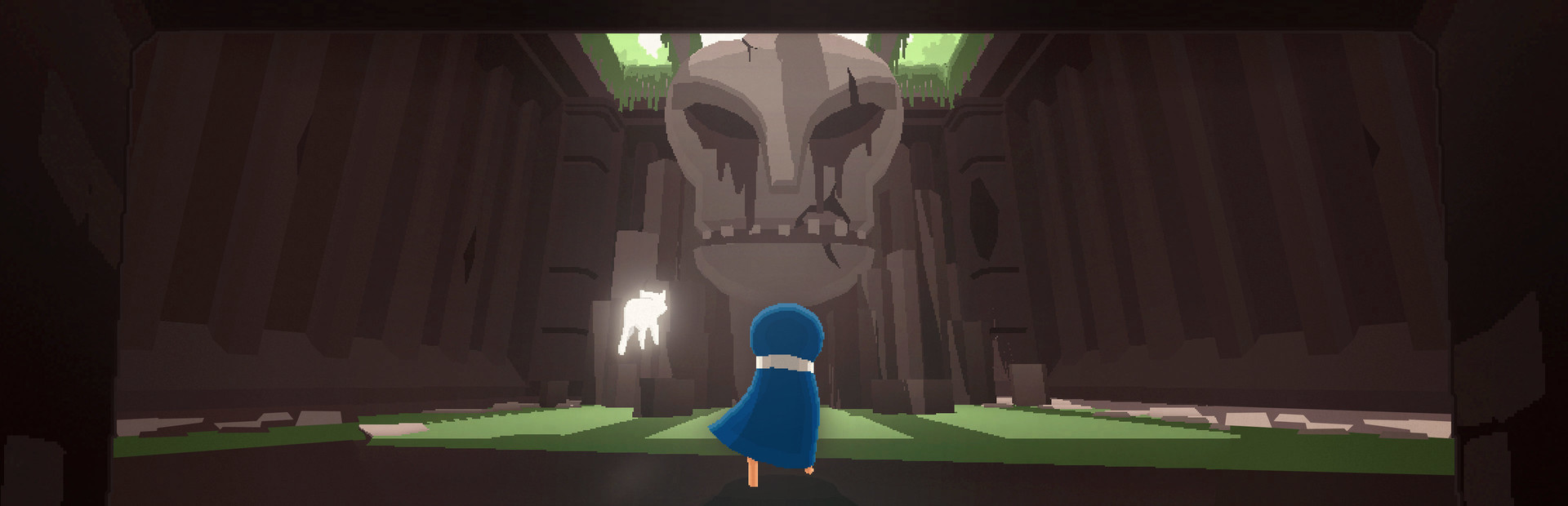
I came into ITTA expecting a tight little bullet-hell riff and left thinking about its world for the rest of the evening. That ratio of runtime to resonance is rare, and it's the clearest signal that solo developer Jacob Williams built something genuinely personal here. The game's origins are no secret: Williams has spoken openly about conceiving ITTA during his own mental health recovery, and that emotional DNA is threaded through every crumbling pixel of the Interstitial Garden. The structure is deceptively simple. You play Itta, a young girl who wakes surrounded by her family's bodies, guided by her cat's ghost through a decaying purgatory. Between the 18 boss encounters, you're walking a muted, post-apocalyptic overworld, picking up fragments of world-building from hollow NPCs, hunting hidden heart upgrades, and cracking open bomb-blastable walls to find new weapons. The pacing is closer to the original Legend of Zelda than to a straight boss-rush: three connected maps, most upgrades optional and easy to miss, secrets that reward anyone willing to wander off the path. Almost all weapon unlocks and additional health containers are hidden this way, so if you beeline for bosses you will feel the wall. The combat itself is twin-stick bullet-hell, top-down, move with one stick and aim with the other. Boss fights run in phases, each cycling through distinct bullet patterns that demand the dodge-roll constantly. There is a demon-mode mechanic that builds as you absorb damage and temporarily makes Itta invincible while boosting her output, though reviewers noted the gauge carries over between fights in awkward ways. The starting revolver is reliable; the weapon ring expands to include a shotgun, a bomb, and several spirit weapons with their own movement properties, though weapon-switching under pressure is clunky and the shotgun's knockback is more liability than asset in a screen full of bullets. The accessibility options here genuinely matter: damage multipliers and full invincibility toggles are available from the start, flagged without shame, letting story-seekers coast through on their own terms. Where ITTA earns its loudest praise is in the look and the sound. The pixel artistry is dense and melancholic, all decayed stonework and softly glowing sigils, with boss designs that range from genuinely arresting to memorably strange, even if a handful blur together midway through. Composer Kyle Lisenby, releasing under the name Invisible Monsters, scores the overworld in eerie drones that shift without warning into frantic, percussive boss tracks. The contrast does real work. The calm between rooms feels earned and a little sorrowful, which makes the violence hit differently when it arrives. The narrative mirrors this: oblique, fragmentary, more felt than explained, in the manner of a Souls-adjacent story that trusts you to piece together what loss and moving on might look like in a world that has already given up. The honest caveats: the run clocks in at four to five hours and post-game content amounts to exploring for missed collectibles and re-challenging the final boss. A new-game-plus or a dedicated boss-rush replay mode would have stretched the legs considerably. Some of the 18 bosses lack the mechanical individuality to stand apart from each other, and a handful of players report bullet patterns that feel more chaotic than designed rather than readable and learnable. None of this breaks the game. But if you come in expecting the surgical fight grammar of Furi or the weapon depth of Enter the Gungeon, the edges will feel rough. ITTA is the kind of debut you want more studios to risk. It knows exactly what it is and what it is trying to say, and it says it in under five hours without overstaying its welcome. For an undersized studio's first outing, that discipline is worth something.

Indie & narrative
Tags
System Requirements
Minimum
- OS
- Windows 7 or newer
- Memory
- 2 GB RAM
- Storage
- 300 MB available space
- Graphics
- GeForce 9600 GT / Radeon HD 5770
- Processor
- Intel Core 2 Duo or AMD Equivalent
Recommended
- OS
- Windows 7 or higher
- Memory
- 2 GB RAM
- Storage
- 300 MB available space
- Graphics
- GeForce GT 430 or Radeon HD 6850
- Processor
- Intel Core2 Quad or AMD equivalent
Keep exploring
Community Discussion
Be the first to comment on ITTA.
Reviews & Ratings
No ratings available
Game Info
- Developer
- Glass Revolver
- Publisher
- Armor Games Studios
- Release Date
- Apr 22, 2020