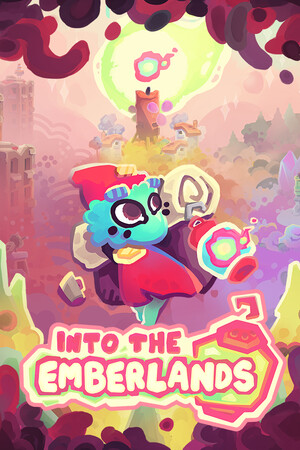
Into the Emberlands
Grid-based lantern management meets village restoration in a cozy roguelite that rewards careful route-planning over reflexes. Fetch-quest heavy, but surprisingly tactical for a sub-five-dollar indie.
GamerScout Verdict
Solid budget pick for cozy roguelite fans who enjoy route-planning puzzles, but expect the loop to plateau well before the credits.
Compare Prices(9 stores)
Every store in this table quotes us in euros, so the EUR figure is the price the seller actually set, not our arithmetic — which is why EUR is also the currency we rank in. We only list an offer here when the store gives us its price in euros, so nothing in this table is a number we invented.
Pick USD, PLN, GBP, CAD or AUD in the header and we convert from EUR at the European Central Bank reference rate — converted amounts are prefixed with ~. Your bank or the store may apply a different rate at checkout. We never hide offers based on where you are: everyone sees this whole table.
We may earn a commission when you buy games through links on this page — at no extra cost to you. It never affects our rankings or verdicts.
Price History
Screenshots & Media
About Into the Emberlands
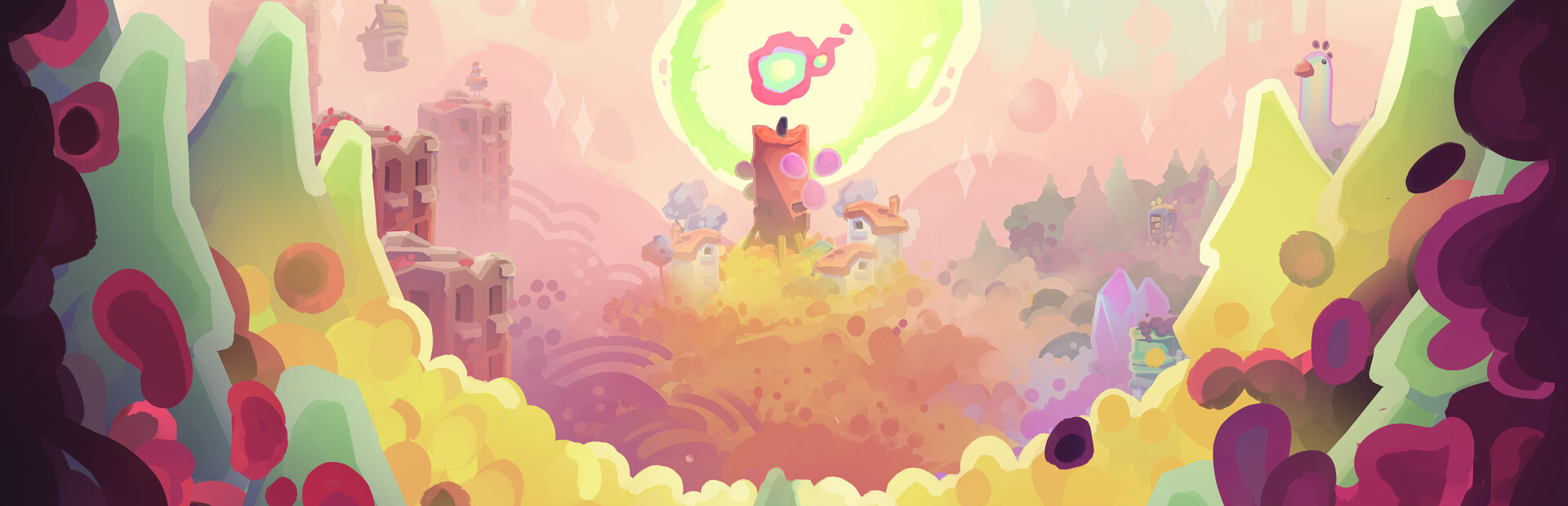
My instinct with anything tagged 'casual roguelite' is to glance at the decision depth and move on. Into the Emberlands held my attention longer than that instinct suggested it would, and the reason is a single deceptively elegant mechanic: every step you take outside your village costs exactly one ember from your lantern, and if the flame goes out, your Lightbearer is lost to the Miasma. That per-tile resource economy is simple to explain but genuinely forces you to think in build-order terms. Which path clears a route to rarer resources while burning the fewest steps? Do you spend an axe charge on that tree or detour around it and preserve the tool for the stone wall blocking the next biome? These are small decisions, but they stack into something that feels like actual planning. The structure is a hub-and-spoke loop. Your village, anchored by the Ember Shrine at its center, levels up when you complete a checklist of objectives: build homes, construct amenities like the subway station, upgrade your Ember Lantern's capacity, and recruit lost Knacks wandering in the fog. Each level-up reshuffles the procedurally generated map and pushes the frontier of available biomes further out. You start in a forest, eventually reach a blue-and-purple brush zone, then a recycling-themed area, and later a desert biome that feels audibly distinct from everything before it thanks to a per-biome soundtrack. The village progression is persistent across failed runs, so dying is a setback, not a wipeout. You lose your current inventory and some personal upgrades, but your buildings and quest progress survive, which keeps the whole thing feeling encouraging rather than punishing. For newcomers to the roguelite genre, the on-ramp is genuinely welcoming. Mechanics are introduced through early quests rather than a wall of tutorial text, and the camera-restricted scouting adds a small puzzle element to each sortie without ever demanding twitch reactions. The upgrade pathways are legible: you can trade materials with NPCs in the Miasma for crystals, which you then give to special chickens (yes, chickens) to expand your ember capacity, coin limit, or backpack size. Axes clear wood, pickaxes clear stone, and limited-use tools mean you need to sequence your clears in advance. It plays like a compact logistics puzzle dressed in a children's storybook aesthetic, and that combination works. Where it starts to wobble is past the midpoint. Once your lantern capacity climbs past roughly 100 embers, the tension that makes early runs engaging begins to evaporate. The quest variety never really grows to match the increased freedom; you are still collecting wood, stone, and Crystallized Embers in slightly different configurations. Critics and players both flagged that the loop needs more dynamic disruption in the late game, something analogous to what a boss encounter or special event would do in a comparable title. The 1.0 launch also shipped with a handful of bugs, including save file recognition issues and controller cursor disappearance on fast-travel, though patches have addressed several of these. Tiny Roar has shown a responsive post-launch cadence, and the community has pushed for, and received, QoL improvements around inventory management and the punishing run reset cycle. This is a game for the player who wants a 30-minute session that feels complete on its own terms, or a quiet two-hour evening pushing into the next biome. It is not for anyone who needs escalating mechanical complexity or a strong late-game curve. The fetch-quest DNA is real and unignorable. But at its budget price point, the hours-per-unit-of-entertainment ratio is defensible, and the grid-based ember economy gives even a strategy-minded player enough to think about during the early and mid phases of a run.

Strategy & simulation
Tags
System Requirements
Minimum
- OS
- Windows 10
- Memory
- 8 GB RAM
- Storage
- 650 MB available space
- Graphics
- AMD Radeon RX 560/Nvidia GTX 1050
- Processor
- Ryzen 3 3100/Intel Core i5-1135G7
Recommended
- OS
- Windows 10
- Memory
- 16 GB RAM
- Storage
- 650 MB available space
- Graphics
- AMD RX Vega 56/Nvidia GTX 1070
- Processor
- AMD Ryzen 5 5500U/Intel Core i5-9400F
DLC & Add-ons for Into the Emberlands1
Expansions, DLC packs and add-on content for this game. Click any item to see store offers.
Keep exploring
Community Discussion
Be the first to comment on Into the Emberlands.
Reviews & Ratings
No ratings available
Game Info
- Developer
- Tiny Roar
- Publisher
- Daedalic Entertainment
- Release Date
- Jan 20, 2025