Inner Chains
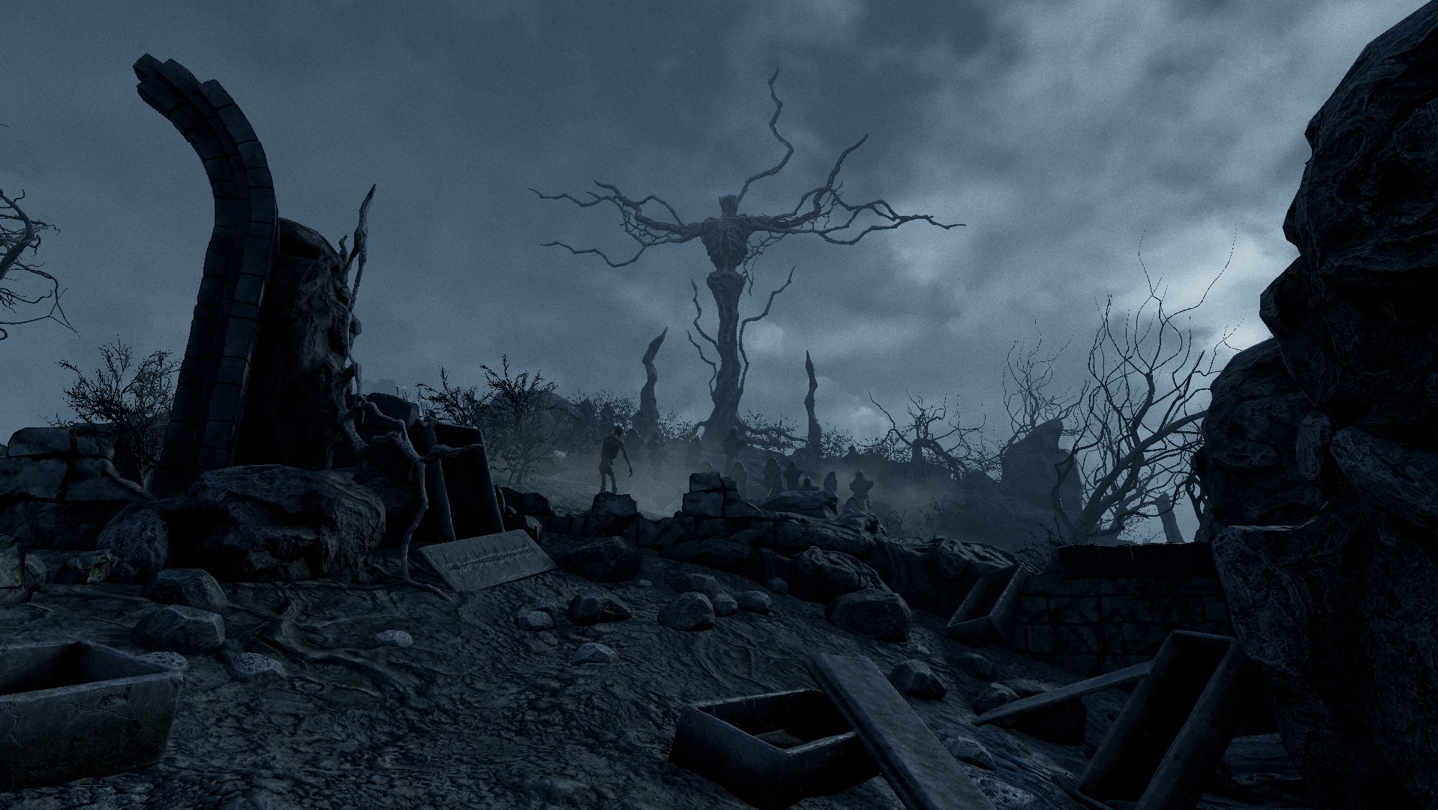
Gorgeous biomechanical nightmare art wrapped around one of the emptiest FPS experiences of its generation. Worth a look strictly for the visuals, not the shooting.
GamerScout Verdict
Worth a deep-discount curiosity purchase for dark art lovers only; everyone else will bounce off the hollow combat within an hour.
Compare Prices(9 stores)
Every store in this table quotes us in euros, so the EUR figure is the price the seller actually set, not our arithmetic — which is why EUR is also the currency we rank in. We only list an offer here when the store gives us its price in euros, so nothing in this table is a number we invented.
Pick USD, PLN, GBP, CAD or AUD in the header and we convert from EUR at the European Central Bank reference rate — converted amounts are prefixed with ~. Your bank or the store may apply a different rate at checkout. We never hide offers based on where you are: everyone sees this whole table.
We may earn a commission when you buy games through links on this page — at no extra cost to you. It never affects our rankings or verdicts.
Price History
Screenshots & Media
About Inner Chains
My first hour with Inner Chains was genuinely arresting. The world Telepaths Tree built is straight out of a fever dream where H.R. Giger and Polish surrealist Zdzislaw Beksinski co-designed a dying planet, and every overlook, corridor, and acid pool has the kind of layered visual detail that makes you stop moving just to stare. That part works. Deeply, impressively works. The problem is that everything bolted onto that world does not. The game opens without weapons, forcing you to fistfight your way through early enemies using an awkward melee system where punches routinely fail to register and each kill takes five or six swings. Once you pick up the electricity-based weapon, a flamethrower, and eventually a projectile gun, the core combat loop reveals itself to be almost completely hollow. Enemies walk straight at you in small, repetitive groups, there are only a handful of distinct enemy types across the whole run, and the biomechanical flora hazards are more interesting on paper than in practice. Ammo is managed through color-coded charging stations fused grotesquely into your arm, a mechanic with genuine creative potential, but the numbers are so tightly rationed and the weapon behavior so sluggish that experimentation feels punished rather than encouraged. The sprint meter runs dry in roughly three seconds, the player character lumbers at a pace that would frustrate a walking simulator, and there is no field-of-view slider, which contributed to motion sickness problems for more than a few players at launch. Performance is a real concern here. Even on hardware that should handle it comfortably, stutters and framerate drops were widespread at launch and remain a recurring complaint in player reviews. The launch was troubled enough that the developers had to spend early weeks on patch catch-up just to restore basic PC options like adjustable graphics settings and remappable keybindings. That the keybindings were not remappable at release in 2017 tells you something about the production priorities. The story compounds these issues. Dialogue does not exist in any meaningful sense. NPCs are mute. The written language is an invented one that requires finding scattered stone tablets to decode, which effectively locks the narrative behind a second playthrough most players will never do. The world clearly has history worth knowing, but the game withholds it so aggressively that you stop caring. At roughly three to five hours depending on how much you explore, Inner Chains is short enough that the damage is contained. The environmental art and level design receive genuine praise even from critics who disliked everything else, and the atmospheric sound design in exploration sections has some merit. If you have ever wanted a very slow, very quiet tour of a biomechanical hellscape with minimal interactivity, something closer to a dark walking experience than a shooter, there is a thin audience for whom this ticks boxes. That audience is small. For anyone expecting a functional FPS with horror tension, the combat AI, the weapon feel, and the technical roughness combine into something that undermines what the art direction built.

Catch-all
Tags
System Requirements
Minimum
x64 versions of Microsoft Windows 7 (SP1), 8.1 and 10 Processor: AMD Quad-Core / Intel Dual-Core processor running at 2.8 GHz (AMD Phenom II X4 or Intel Pentium Dual-Core G600 series or newer architectures are recommend…
Recommended
OS *: x64 versions of Microsoft Windows 7 (SP1), 8.1 and 10 Processor: AMD / Intel Quad-Core processor running at 3.5 GHz (AMD FX-8000 series or Intel Core i3 6000 series or newer architectures are recomme…
Keep exploring
Community Discussion
Be the first to comment on Inner Chains.
Reviews & Ratings
Game Info
- Developer
- Telepaths Tree
- Publisher
- IMGN.PRO
- Release Date
- May 18, 2017