
Ingression
Portal mechanics done properly in 2D, by a small Turkish studio that clearly obsessed over every pixel of level geometry. If Celeste made you feel smart, this will make you feel spatial.
GamerScout Verdict
Best for precision platformer fans who want genuine portal physics and chapter-by-chapter mechanic escalation without a punishing time investment.
Compare Prices(6 stores)
Every store in this table quotes us in euros, so the EUR figure is the price the seller actually set, not our arithmetic — which is why EUR is also the currency we rank in. We only list an offer here when the store gives us its price in euros, so nothing in this table is a number we invented.
Pick USD, PLN, GBP, CAD or AUD in the header and we convert from EUR at the European Central Bank reference rate — converted amounts are prefixed with ~. Your bank or the store may apply a different rate at checkout. We never hide offers based on where you are: everyone sees this whole table.
We may earn a commission when you buy games through links on this page — at no extra cost to you. It never affects our rankings or verdicts.
Price History
Screenshots & Media
About Ingression
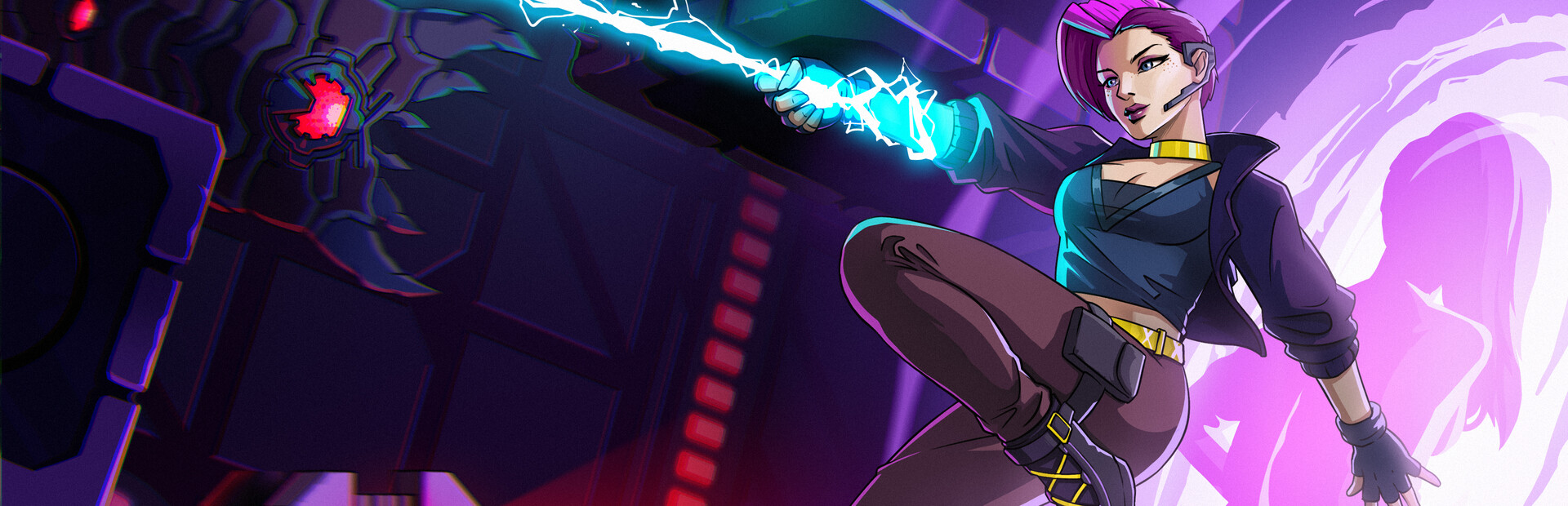
I kept waiting for Ingression to trip over its own ambition, and it mostly refused to. The core idea, porting the seamless portal mechanic from 3D space into a side-scrolling 2D platformer, is something other indie games have quietly dodged for years, opting for teleport-skinned shortcuts instead. Espale Studios, a small team out of Turkey, actually solved the problem. The portals here carry momentum across the threshold the way your spatial brain expects them to, and the level geometry is built entirely around exploiting that. You gain speed through one portal and have to spend it wisely on the other side, or you die on a spike cluster aboard a sci-fi spaceship and start the short level over. The restart is instant. The frustration evaporates fast. You play as Rina, a thief operating inside a corrupt Galactic Empire, tasked with stealing a time machine in a mission that loops back on itself in a time-paradox setup. A defector named Dr. Kowalski helps you infiltrate the empire, and flashbacks to a prior thief named Maxine layer in a bit of parallel storytelling. Honestly, the plot is serviceable sci-fi scaffolding rather than a genuine narrative pull. It moves you forward between levels without embarrassing itself, and that is the right call for a game where the mechanics carry the weight. What genuinely impressed me is how each chapter introduces a fresh mechanic layered on top of the portal base. One chapter works with laser grids you duck under and redirect; another gives you a laser ball that functions as a mobile platform you can bounce off of mid-air. There is a wall-cling stamina bar that adds a physical texture to movement, turning tight corridors into short athletic puzzles. A dedicated Trial Mode serves as a single extended gauntlet for anyone who finishes the main run and wants to measure their reflexes against a longer, unbroken challenge. The control scheme is minimal, jump and portal and climb, but the expressiveness stacks quietly beneath those inputs until mastery starts to feel earned rather than gifted. The honest complaints are mild but real. Portal disorientation is a genuine hazard in a handful of the more chaotic rooms, where the spatial flip happens faster than your eye can follow. The story, despite the flashback structure, does not quite stick the landing on its time-paradox premise. And players who prefer precision platformers with gentler on-ramps will find the difficulty curve steeper than it appears in the first chapter. The pixel art and cyberpunk atmosphere carry a quiet confidence throughout, though, and the game clearly knows its own length, which is the small-studio virtue I value most. If you have any doubt about the feel before spending money, Espale Studios released a free prologue called The Portal Trial on Steam, a 25-level sampler that covers the early game honestly. That generosity tells you something about the studio's confidence in what they built.

Indie & narrative
Tags
System Requirements
Minimum
- OS
- Windows 10
- Memory
- 4 GB RAM
- DirectX
- Version 10
- Storage
- 700 MB available space
- Graphics
- NVIDIA GeForce 7300GT
- Processor
- X64 architecture with SSE2 instruction
Recommended
- OS
- Windows 11
- Memory
- 8 GB RAM
- DirectX
- Version 10
- Storage
- 1 GB available space
- Graphics
- NVIDIA GeForce GTX 560
- Processor
- X64 architecture with SSE2 instruction set support
Keep exploring
Community Discussion
Be the first to comment on Ingression.
Reviews & Ratings
No ratings available
Game Info
- Developer
- Espale Studios
- Publisher
- Ravenage Games
- Release Date
- May 3, 2024