In Sound Mind
A first-person psychological horror that traps you inside fragmented minds, with inventive puzzles and boss fights scored by The Living Tombstone.
GamerScout Verdict
A thoughtfully crafted psychological horror worth playing for its puzzle variety and soundtrack, with boss fights that occasionally outrun its combat system.
Compare Prices(9 stores)
Every store in this table quotes us in euros, so the EUR figure is the price the seller actually set, not our arithmetic — which is why EUR is also the currency we rank in. We only list an offer here when the store gives us its price in euros, so nothing in this table is a number we invented.
Pick USD, PLN, GBP, CAD or AUD in the header and we convert from EUR at the European Central Bank reference rate — converted amounts are prefixed with ~. Your bank or the store may apply a different rate at checkout. We never hide offers based on where you are: everyone sees this whole table.
We may earn a commission when you buy games through links on this page — at no extra cost to you. It never affects our rankings or verdicts.
Price History
Screenshots & Media
About In Sound Mind
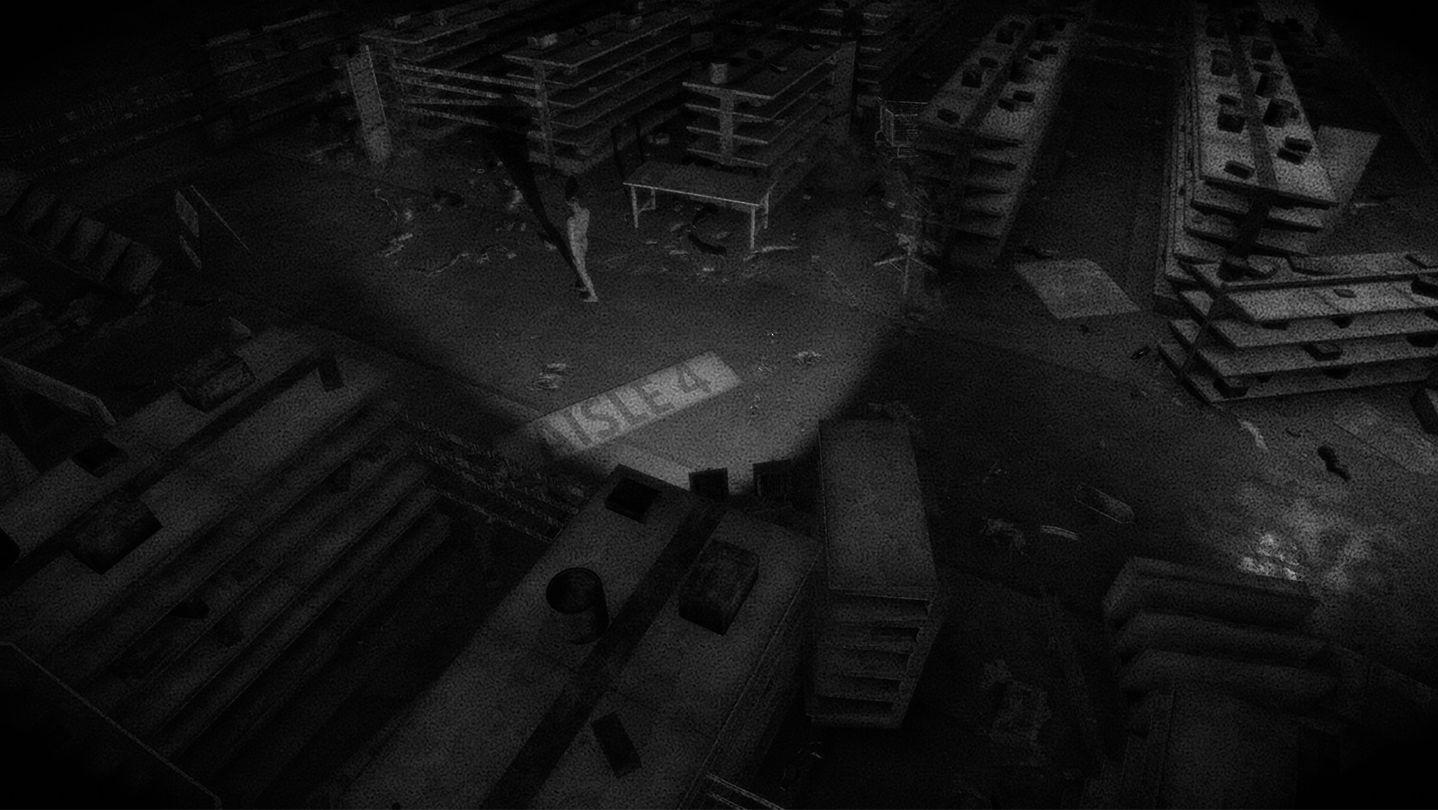
In Sound Mind is a first-person psychological horror game developed by We Create Stuff, and it earns that genre label in the most literal way possible. You are Desmond Wales, a therapist piecing together what has gone wrong inside an apartment building that feels like it should not exist. The hook is clever: each case file belonging to one of your former patients becomes a doorway into a warped psychological landscape built around their trauma. You are not just exploring levels. You are reading someone's collapsed interior life rendered as geometry and sound. The puzzle design is where this game earns its reputation. Each patient's world introduces mechanics tied specifically to their psychology, so no two chapters feel like the same loop. One segment hands you a mirror that lets you perceive hidden threats. Another leans into paranoia by distorting your perception of what is real in the environment. The puzzles rarely outstay their welcome, and the game is genuinely good at introducing a mechanic, building on it, and then moving on before it becomes busywork. That discipline is rare and worth noting. The boss fights are the centerpiece and also the most divisive element. They are theatrical, each one a full setpiece built around the patient's specific fear or fixation, and the visual imagination on display is striking for an indie production. The combat itself is functional rather than exceptional. You carry a flashlight, a pistol, and acquire additional tools as you progress. The gunplay is serviceable but not refined enough to carry an extended encounter comfortably, and a couple of the bosses stretch longer than the combat system can support without some friction. Players who come purely for atmosphere may hit a wall here. Players who enjoyed boss-rush structure in horror games will find these fights memorable even when the controls resist them. The Living Tombstone's original score is not background noise. It is architecture. The music shifts from ambient dread to aggressive synth-driven tracks during boss encounters, and it shapes the pacing of entire chapters. For a game about the inside of a mind, having a soundtrack that behaves like one, shifting registers and returning to motifs at the right moments, is a genuine creative decision that pays off. The sound design more broadly is carefully layered and does meaningful work during quieter stretches. Where the game is less confident is in its own storytelling voice. The narrative framing is interesting enough to hold your attention, but the dialogue occasionally flattens what could be more textured character writing. Desmond is a protagonist you follow more than inhabit. The emotional stakes feel present but not fully landed. Given that the whole premise rests on empathy for these patients, a sharper script in the connective tissue between chapters would have made the experience linger longer after the credits. It runs roughly eight to ten hours, and it largely knows when to end, which matters. If you like horror that prioritizes craft and atmosphere over jump scares, that uses puzzle design as a form of storytelling, and that genuinely tries to do something different with each chapter, In Sound Mind is well worth your time. It is the kind of game a small team made because they had specific things they wanted to say and specific feelings they wanted to create, and that intention shows in almost every room you walk into.

Indie & narrative
Tags
System Requirements
Minimum
- OS
- 64-bit Windows 7
- Processor
- Core i5-4460 / AMD FX-6300
- Memory
- 8 GB RAM
- Graphics
- Nvidia GeForce GTX 960 / AMD Radeon R9 280
- Storage
- 20 GB available space
Recommended
- OS
- 64-bit Windows 10
- Processor
- Core i7-3770 / AMD FX-9590
- Memory
- 16 GB RAM
- Graphics
- Nvidia GeForce GTX 1060 / AMD Radeon RX 480
- Storage
- 20 GB available space
Keep exploring
Community Discussion
Be the first to comment on In Sound Mind.
Reviews & Ratings
Game Info
- Developer
- We Create Stuff
- Publisher
- Modus Games
- Release Date
- Sep 28, 2021
![[18+] You Can't Shoot The Cat](https://static-cdn.jtvnw.net/previews-ttv/live_user_wokejoker-440x248.jpg)
