Ikai
Three developers from Barcelona built a feudal Japan horror game around a mechanic nobody uses: drawing kanji seals by hand while a yokai tries to kick the door in. Whether that's enough to carry two-to-three hours depends entirely on your patience for atmosphere over action.
GamerScout Verdict
Worth a look for J-horror fans at a discount, but expect an atmospheric mood piece with rough edges, not a polished horror experience.
Compare Prices(5 stores)
Every store in this table quotes us in euros, so the EUR figure is the price the seller actually set, not our arithmetic — which is why EUR is also the currency we rank in. We only list an offer here when the store gives us its price in euros, so nothing in this table is a number we invented.
Pick USD, PLN, GBP, CAD or AUD in the header and we convert from EUR at the European Central Bank reference rate — converted amounts are prefixed with ~. Your bank or the store may apply a different rate at checkout. We never hide offers based on where you are: everyone sees this whole table.
We may earn a commission when you buy games through links on this page — at no extra cost to you. It never affects our rankings or verdicts.
Price History
Screenshots & Media
About Ikai
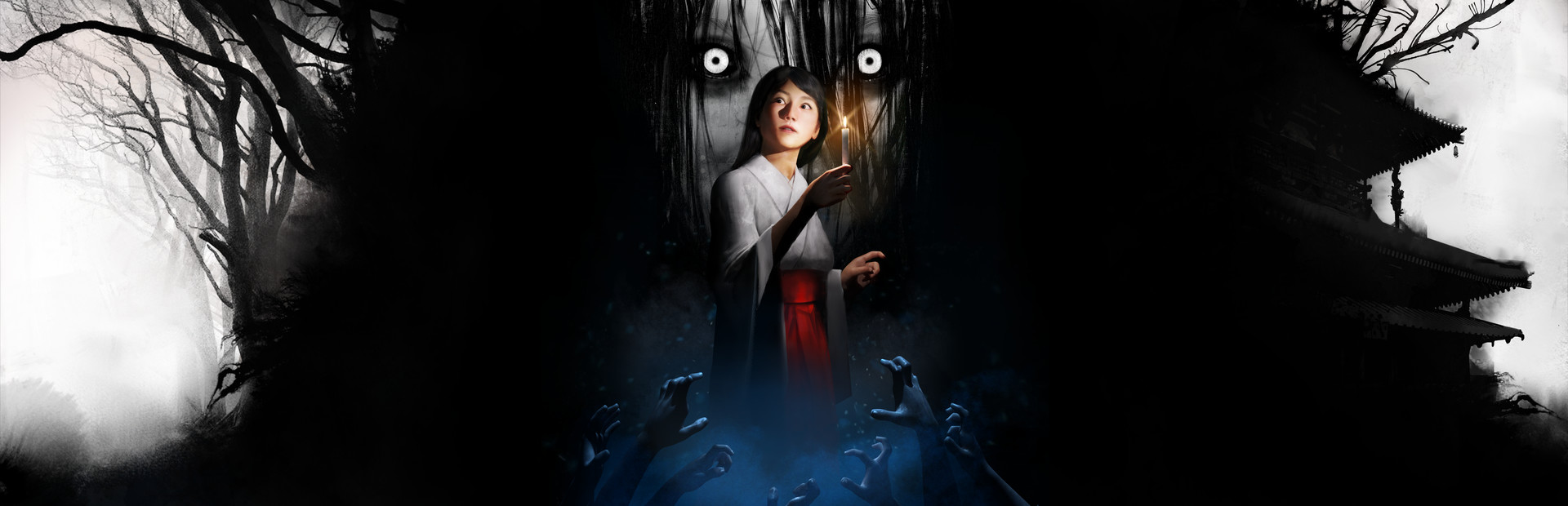
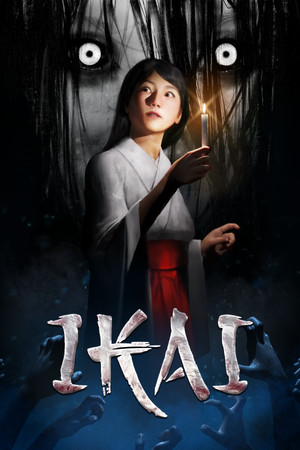
My honest first reaction to Ikai was something close to affection. A tiny team out of Barcelona, clearly in love with Japanese folklore, spending three years crafting a Shinto shrine in first-person 3D and populating it with creatures most Western horror studios would not even recognise by name. That kind of devotion is visible in the woodgrain of every corridor, in the way candlelight catches a paper sliding door. The problem is that devotion to a setting and execution of a game are two very different things, and Ikai sometimes treats them as interchangeable. You play as Naoko, a young priestess left to tend a shrine while the priest is absent. Evil arrives quickly. Your toolkit for dealing with it is deliberately, philosophically limited: crouch, run, hide, and occasionally hold your nerve long enough to draw a protective seal using your mouse or analog stick, tracing kanji characters onto paper while something awful rattles the door behind you. That seal-drawing mechanic is the game's one genuinely original idea, and when the pressure is right it creates a specific kind of dread that combat systems simply cannot replicate. The problem is that it appears too infrequently to carry the whole experience. The rest of the time you are wandering a shrine and two small exterior areas, sifting through drawers, searching for objects, and trying to figure out where to go next without the assistance of a map or any meaningful signposting. Getting lost here rarely feels mysterious. It mostly feels like the game forgot to tell you something. The puzzles sit in an awkward middle ground. A few, particularly one set around a well, are genuinely tense and well-constructed. Others are obtuse in a way that reads less as intentional challenge and more as an absence of design clarity. The yokai themselves, a Kijo lurking near the entrance, Manekute arms reaching through corridor walls, are visually unsettling and clearly researched with care. Scattered parchments offer lore on each creature, which is a small pleasure for anyone drawn to Japanese folklore. But because there is no combat and the stealth options are thin, run or crouch, confrontations tend to resolve into either a quick death or an awkward waiting game behind a piece of furniture. The audio design is the consistent bright spot throughout: creaking floorboards, muffled whispers, wind through the forest exterior. With headphones this game sounds genuinely inhabited, and that soundscape does real atmospheric work that the visuals sometimes fail to match. Runtime lands at two to three hours for most players, and that brevity is simultaneously the game's mercy and its most damning quality. Short enough that its repetitive backtracking through familiar rooms never becomes unbearable, but also short enough that every mechanic and creature feels underused just as it starts to find its footing. The ending arrives without sufficient payoff, leaving threads unresolved in a way that reads as rushed rather than artfully ambiguous. Steam players have landed at roughly 79 percent positive on a modest sample, which feels about right. Ikai is not a game that earns dislike. It earns something more deflating: the feeling that something genuinely atmospheric almost cohered into something genuinely frightening, and did not quite get there. If you have played everything Chilla's Art has released and you hunger for J-horror that runs a little more polished and three-dimensional, Ikai is worth a cautious look at a reduced price. Go in expecting a mood piece with a clever central gimmick, not a complete horror experience.

Indie & narrative
Tags
System Requirements
Minimum
- OS
- Windows 10 64-bit
- Memory
- 8 GB RAM
- DirectX
- Version 11
- Storage
- 5 GB available space
- Graphics
- NVIDIA GTX 760
- Processor
- Quad-core Intel or AMD, 2.5 GHz or faster
- Sound Card
- DirectX compatible
Recommended
- OS
- Windows 10 64-bit
- Memory
- 16 GB RAM
- DirectX
- Version 11
- Storage
- 5 GB available space
- Graphics
- Nvidia GeForce GTX 1070 Ti
- Processor
- Intel Core i7-4770k or AMD Ryzen 5
- Sound Card
- DirectX compatible
Keep exploring
Community Discussion
Be the first to comment on Ikai.
Reviews & Ratings
No ratings available
Game Info
- Developer
- Endflame
- Publisher
- PM Studios, inc.
- Release Date
- Mar 29, 2022