I am Setsuna
A melancholy snow-drenched pilgrimage that nails the ATB nostalgia trip but runs out of courage before it runs out of maps. Worth it if Chrono Trigger still lives rent-free in your head.
GamerScout Verdict
Best for JRPG veterans hungry for 90s ATB nostalgia who won't miss the mechanical depth they never had to use.
Compare Prices(6 stores)
Every store in this table quotes us in euros, so the EUR figure is the price the seller actually set, not our arithmetic — which is why EUR is also the currency we rank in. We only list an offer here when the store gives us its price in euros, so nothing in this table is a number we invented.
Pick USD, PLN, GBP, CAD or AUD in the header and we convert from EUR at the European Central Bank reference rate — converted amounts are prefixed with ~. Your bank or the store may apply a different rate at checkout. We never hide offers based on where you are: everyone sees this whole table.
We may earn a commission when you buy games through links on this page — at no extra cost to you. It never affects our rankings or verdicts.
Price History
Screenshots & Media
About I am Setsuna
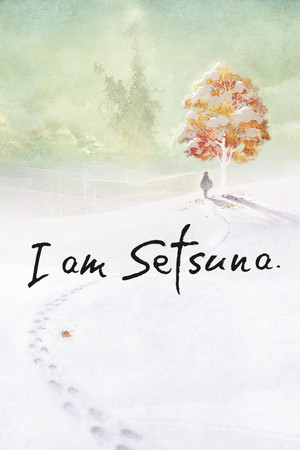
My first hour with I Am Setsuna felt like finding an old mixtape in a jacket pocket: familiar warmth, slight cringe, and a strange compulsion to keep listening. Tokyo RPG Factory set out to bottle the exact feeling of a mid-90s Square RPG, and on a surface level they pull it off with surprising confidence. The premise is quietly devastating: you play Endir, a mercenary hired to kill a young woman named Setsuna, who is already walking willingly toward her own death as a ritual sacrifice. He joins her guard instead, and the whole game becomes a slow-burn escort through a world permanently coated in snow, scored entirely on solo piano. That aesthetic choice is either the game's greatest strength or its most exhausting flaw, depending on your tolerance for melancholy. The combat is where I spent most of my critical energy, and the short verdict is: it is genuinely clever, and genuinely easy to break. The Active Time Battle system pulls directly from Chrono Trigger's ATB 2.0 bones, running three-character parties where you wait for gauges to fill before acting. The Momentum mechanic adds a layer on top: let your ATB bar overfill to accumulate SP points, then spend them to augment your next action with bonus effects, ranging from healing the party mid-attack to doubling hit counts or converting single-target skills into area-of-effect blasts. Combo attacks between party members, including a direct X-Strike callback, reward coordination and elemental variety. Each character's techniques come not from leveling up but from equipping Spiritnites, items purchased by trading enemy materials at the Magic Consortium, which means build customization runs through your farming habits rather than your level grind. Fluxes, stackable bonuses attached to Spiritnites via Talismans, add further wrinkles. On paper it is a satisfyingly layered system. In practice, the balance is so loose that a single overpowered Spiritnite combination on Endir can trivialize most of the game by mid-point, and the tutorial explains the Momentum and Flux systems so poorly that many players finish without ever using them meaningfully. The narrative has genuine emotional architecture but stops short of doing the heavy lifting it promises. Setsuna herself is the standout, written with quiet dignity that makes her fate genuinely affecting. Her companions carry their own grief, and the best story beats land through understatement rather than cutscene spectacle. The problem is that Endir, as a silent protagonist, drains tension from scenes that desperately need his interiority. The supporting cast ranges from interesting to forgettable, and the dialogue choices offered throughout the game are mostly cosmetic, changing tone without changing outcomes. For an RPG built around the emotional weight of sacrifice, the lack of meaningful agency in the story is a real disappointment. The dungeon design compounds this: long corridors, recycled enemy models, reused layouts, and the endgame habit of permanently locking treasure rooms behind story progression make exploration feel like a chore rather than a reward. Completion time lands around 15 to 20 hours on a standard run, with endgame side content extending that modestly. The piano-only soundtrack is either the most coherent artistic decision in the game or forty hours of the same emotional register, and reviewers split hard on that point. The all-snow visual palette reinforces the tone but makes the world feel thin after the first few areas. What I Am Setsuna gets right, it gets very right: the moment Setsuna's theme swells during a quiet character scene, the Chrono Trigger-era combat loop humming along at 60fps on PC, the compact scope that respects your time in a way sprawling JRPGs do not. What it gets wrong is that it never dares to be its own thing, and the weight of that comparison is one it cannot always carry.

RPGs
Tags
System Requirements
Minimum
- OS
- Windows 7, Windows 8/8.1, Windows 10
- Memory
- 2 GB RAM
- Graphics
- GeForce GTS250 / Radeon HD5750 or better
- Processor
- Core i3 2GHz and above
Recommended
- OS
- Windows 7, Windows 8/8.1, Windows 10
- Memory
- 4 GB RAM
- Graphics
- Geforce GTX460 / Radeon HD6850 or better
- Processor
- Core i5 2.2GHz and above
DLC & Add-ons for I am Setsuna1
Expansions, DLC packs and add-on content for this game. Click any item to see store offers.
Keep exploring
Community Discussion
Be the first to comment on I am Setsuna.
Reviews & Ratings
Game Info
- Developer
- Tokyo RPG Factory
- Publisher
- Square Enix
- Release Date
- Jul 19, 2016