Harvest Life
Skip the pastoral daydream: Harvest Life sits at 46% positive on Steam and earns every percentage point of that skepticism, yet it does fill a very specific niche for players who just want a low-stakes farm loop at a low price.
GamerScout Verdict
A barebones farm loop with just enough content to justify its budget price, but Stardew Valley outclasses it on every axis that matters.
Compare Prices(7 stores)
Every store in this table quotes us in euros, so the EUR figure is the price the seller actually set, not our arithmetic — which is why EUR is also the currency we rank in. We only list an offer here when the store gives us its price in euros, so nothing in this table is a number we invented.
Pick USD, PLN, GBP, CAD or AUD in the header and we convert from EUR at the European Central Bank reference rate — converted amounts are prefixed with ~. Your bank or the store may apply a different rate at checkout. We never hide offers based on where you are: everyone sees this whole table.
We may earn a commission when you buy games through links on this page — at no extra cost to you. It never affects our rankings or verdicts.
Price History
Screenshots & Media
About Harvest Life
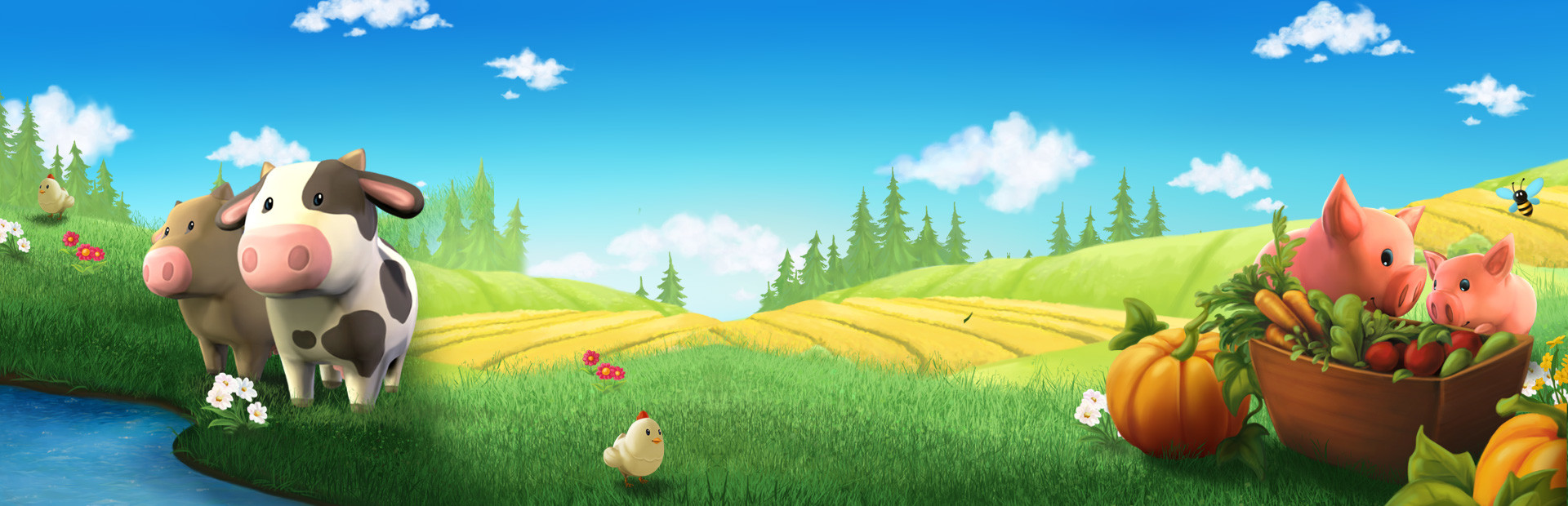
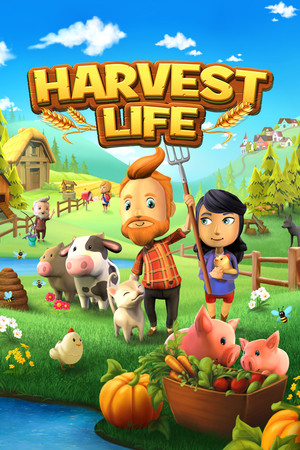
My first honest reaction to Harvest Life was that it reminded me of a stat sheet with grass textures pasted on top. You inherit a run-down organic farm in the village of Lohwold from your grandfather, who is conveniently injured and unable to help, and from that point forward the game is a cycle of planting weather-dependent crops, managing livestock (chickens, cows, pigs, bees), running a farm store where villagers wander in and buy your produce, and reinvesting profits into new buildings and staff. On paper that loop sounds functional. In practice the seams show almost immediately. The core systems expose their shallowness fast. The fodder production chain, where you generate electricity via a minigame to power a machine that converts vegetables into animal feed, is described by more than one reviewer as feeling like number management rather than farming. Your hunger and tiredness bars deplete constantly, and without a kitchen to cook proper meals you end up eating raw eggs and foraged berries to stay upright. Collapse from exhaustion and the game teleports you home with a small cash penalty, which doubles as the fastest travel option in a map that offers none of its own. Combat exists, including wolf encounters in the forest and skeleton fights in the catacombs during a quest to find a lost dog, but experience gains from killing enemies appear to do nothing meaningful. The building grid system for expanding the farm is described by players as clunky, and the tutorial moves so fast that basic actions, like setting shop prices or understanding the fodder machine, are left unexplained. The adventuring side does provide occasional variety. There are timed escort missions through wolf-infested woods, a beehive retrieval that requires exploring three distinct forest zones, daily delivery quests from the newspaper that incentivize routing your surplus goods efficiently, and a romance track with friendship meters you fill through quest completion and dates. None of these systems are deep, but they do give the daily loop a direction that pure crop management titles sometimes lack. A completionist playthrough sits around 30 to 50 hours based on community data, which is a reasonable return on a sub-five-dollar investment. The presentation is the hardest argument to counter. Character animations are widely described as robotic, the overworld visuals are below the bar for even basic 3D indie games, and the soundtrack cycles through the same handful of banjo tracks until you mute it entirely. Steam user scores land at 46% positive across 224 reviews, and the critical consensus from console ports is consistently harsh. The game carries no mod support worth noting, which means the rough edges you see at launch are the rough edges you keep. The developers have shown willingness to patch bugs based on community feedback, but there has been no major content expansion to raise the ceiling. Who is this actually for? Realistically: younger players, or anyone who burned through Stardew Valley on a subscription pass and wants ten hours of low-friction farming before their next big pick. As a numbers guy I appreciate that the daily task structure gives you clear short-term goals, and the vendor demand system does create a minimal planning layer around what to plant each season. But the decision-making depth caps out embarrassingly early, the AI villagers feel like props, and there is no mod ecosystem to paper over the gaps. Anyone who has spent real time with Stardew Valley, Story of Seasons, or even Farming Simulator will feel the missing polish acutely.

Strategy & simulation
Tags
System Requirements
Minimum
- OS
- Windows 11 / 10 / 8 / 7
- Memory
- 2 GB RAM
- Graphics
- 512MB
- Processor
- Dual-Core: 2Ghz
Keep exploring
Community Discussion
Be the first to comment on Harvest Life.
Reviews & Ratings
No ratings available
Game Info
- Developer
- bumblebee
- Publisher
- familyplay
- Release Date
- Nov 10, 2017