
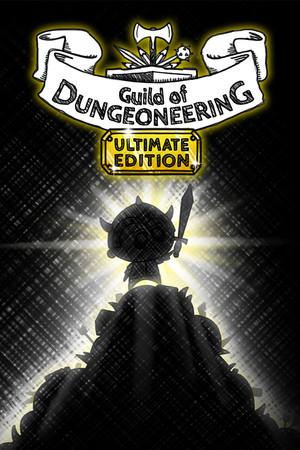
Guild of Dungeoneering Ultimate Edition
You build the dungeon; a hapless hero wanders it. That one-sentence inversion is genuinely clever, and the sardonic bard who narrates every triumph and disaster makes it feel like a love letter to tabletop culture.
GamerScout Verdict
Best for tabletop-adjacent players who want a low-friction, high-charm roguelite with a genuinely clever mechanical twist.
Compare Prices(8 stores)
Every store in this table quotes us in euros, so the EUR figure is the price the seller actually set, not our arithmetic — which is why EUR is also the currency we rank in. We only list an offer here when the store gives us its price in euros, so nothing in this table is a number we invented.
Pick USD, PLN, GBP, CAD or AUD in the header and we convert from EUR at the European Central Bank reference rate — converted amounts are prefixed with ~. Your bank or the store may apply a different rate at checkout. We never hide offers based on where you are: everyone sees this whole table.
We may earn a commission when you buy games through links on this page — at no extra cost to you. It never affects our rankings or verdicts.
Price History
Screenshots & Media
About Guild of Dungeoneering Ultimate Edition
My first hour with Guild of Dungeoneering Ultimate Edition felt like stumbling across a hand-drawn D&D sourcebook that had somehow learned to play itself. The central conceit is disarmingly simple: each turn you lay down up to three cards from your guild deck, placing corridors, rooms, monsters, and loot tiles on a graph-paper map, while your dungeoneer wanders autonomously toward whatever glitters closest. You never move the hero directly. You bribe them with treasure placement, herd them with carefully positioned enemies, and watch them cheerfully ignore your plan anyway. That barely-controlled chaos is the game's beating heart, and for the first several sessions, it is genuinely delightful. The loop has two distinct rhythms. Inside a dungeon run, you are shaping geometry and nudging your wandering Chump, Apprentice, Cat Burglar, or one of the many other classes toward manageable fights, hoping to gear them up before the boss objective lands. Combat switches into a card-based duel where both sides draw from class-specific decks: physical attackers trade blows, spellcasters apply burn damage over multiple turns, and favour runes collected from special tiles let you pull extra cards or cull dead weight from your hand mid-fight. Between runs you return to your guild hall, spend earned gold to build new rooms that unlock higher-tier classes, and gradually expand the card pool. The meta-progression is light and readable, which is part of its charm and, eventually, its limitation. The visual identity is one of the most considered things about it. Everything looks hand-sketched, characters sitting on graph-paper backgrounds as if torn from the margin of a school notebook, with color used almost as a language: red for physical, blue for magical. The bard narrator, who sings rhyming commentary after each run, is the kind of small-studio touch that studios with ten times the budget forget to include. His snark has a warm, self-aware quality that keeps death feeling more comedic than punishing. The soundtrack sits in the same register: unhurried, slightly whimsical, the sort of thing you realize after two hours you have not once wanted to mute. Honesty requires noting where the seams show. The core card duel is structurally simple, and some reviewers and players have noted that the loop evolves relatively little across its full runtime, meaning fatigue can set in before the credits. RNG has a real bite: unlucky dungeon tile draws in timed-objective quests can end runs that felt well-managed, and certain classes like the Cartomancer have struck some players as balance outliers. The permadeath mode adds a second layer of tension for players who find the default too forgiving, but neither mode fundamentally changes what the game asks of you. This is a meal, not a feast, and the distinction matters if you are chasing a deep deck-builder. If you want Slay the Spire-level card synergy architecture, look elsewhere. If you want a breezy, handcrafted roguelite that smells faintly of graph paper and fond memories of rolling dice with friends, this is precisely calibrated for that mood.

Indie & narrative
Tags
System Requirements
Minimum
- OS
- Windows XP SP3
- Memory
- 2 GB RAM
- Storage
- 750 MB available space
Recommended
- OS
- Windows 7 SP1
- Memory
- 4 GB RAM
- Storage
- 750 MB available space
Keep exploring
Community Discussion
Be the first to comment on Guild of Dungeoneering Ultimate Edition.
Reviews & Ratings
Game Info
- Developer
- Gambrinous
- Publisher
- Gambrinous
- Release Date
- Jul 14, 2015