
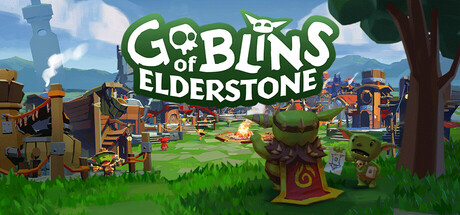
Goblins of Elderstone
Managing a goblin tribe that actively wants to undermine you is a genuinely fresh colony-sim hook - if the rough tutorial and resource bottlenecks don't chase you off first.
GamerScout Verdict
Worth it for colony-sim fans who want a chaotic twist on the genre and can tolerate a tutorial that won't hold your hand past the first winter.
Compare Prices(9 stores)
Every store in this table quotes us in euros, so the EUR figure is the price the seller actually set, not our arithmetic — which is why EUR is also the currency we rank in. We only list an offer here when the store gives us its price in euros, so nothing in this table is a number we invented.
Pick USD, PLN, GBP, CAD or AUD in the header and we convert from EUR at the European Central Bank reference rate — converted amounts are prefixed with ~. Your bank or the store may apply a different rate at checkout. We never hide offers based on where you are: everyone sees this whole table.
We may earn a commission when you buy games through links on this page — at no extra cost to you. It never affects our rankings or verdicts.
Price History
Screenshots & Media
About Goblins of Elderstone
I've played a lot of colony sims where efficiency is the whole game - optimized production chains, tidy worker assignments, and a population that does exactly what it's told. Goblins of Elderstone flips that contract on its head. Your population is chaotic, opinionated, and frequently working against your best interests, which makes every session feel less like spreadsheet management and more like herding extremely flammable cats. The tribal theme isn't cosmetic - it changes the actual texture of decision-making from the first minute. Before you place a single building, you're defining your tribe's identity. The game's setup offers four entry points: Story mode walks you through multiple-choice narrative scenarios that determine your tribe's alignment, enemy faction, and divine focus; Pantheon mode lets you skip the prose and pick those variables directly; Random mode rolls everything for you; and the post-launch Scenarios mode drops you into pre-set challenges with explicit win conditions - think surviving 100 in-game years against relentless warband invasions in "No Diplomacy Allowed", or racing to 10,000 gold in the builder-friendly "Gob the Builder" scenario where building costs are halved. That last mode is, genuinely, where newcomers should start. It gives the kind of structured objective that an open-ended colony sim rarely offers, and it removes enough friction that you can actually learn how the resource chains work before a Skeleton King dismantles everything. The tutorial, by contrast, gets you through the basics but will not save you from your first winter - seasonal pressure reshuffles priorities fast and the game does not warn you loudly enough. The resource layer is where the real depth lives. Over 30 resources can be gathered, crafted, traded, or stolen through the Raids system - a reworked expedition mechanic that ties looting runs directly to your village's survival rather than treating them as optional side content. On the production side, you're juggling firewood supply chains for winter, frog procurement (yes, frogs), iron and stone throughput, beer output to keep morale from collapsing, and peon routing so that goods actually move between buildings. Peons serve dual duty as builders and haulers, which means pulling too many into construction during a critical supply crunch can quietly strangle your economy. Specialized buildings extend the tree further - temples and shrines accumulate divine favor for god blessings, barracks and smithies push your combat capability, and wagons expand your trade reach. The job assignment interface is clear and detailed enough that you can micromanage individual goblins without losing your mind, which is a small design victory the game deserves credit for. The strategic outer layer - raids, diplomacy, god favor, and event choices - adds welcome variety but is the thinnest part of the game. Text-based events present meaningful choices but critics and players alike have noted that narrative variety runs dry faster than it should. The raid system is punchy and functional, yet the diplomacy mechanics feel like placeholders for something more ambitious. Performance has also drawn complaints, with frame rate inconsistencies reported on certain hardware configurations. These are the edges where the indie budget shows, and they're real enough to factor into your expectations. For the colony-sim crowd, the question isn't whether there's enough game here - there is - it's whether the setting and the chaos-management twist justify the friction. If you're someone who genuinely enjoys finding the optimal peon-to-population ratio, debugging a supply chain that's choking on small rocks, or watching your tribe develop its own internal clan politics, Goblins of Elderstone rewards that patience with a tone and aesthetic that the genre's bigger titles simply don't offer. It's sitting at Mostly Positive on Steam for a reason. Approach it as a mid-complexity colony sim with a personality problem (the goblins', not the game's), and you'll get far more out of it than the cartoonish visuals initially suggest.

Strategy & simulation
Tags
System Requirements
Minimum
- OS
- Windows 10 version 2004, 20H2
- Memory
- 16 GB RAM
- DirectX
- Version 12
- Storage
- 400 MB available space
- Graphics
- NVIDIA GeForce RTX 2060+
- Processor
- Quad-core CPU Intel Core i5-6600K or AMD Ryzen 5 1500X
Recommended
- OS
- Windows 11 version 24H2
- Memory
- 32 GB RAM
- DirectX
- Version 12
- Storage
- 400 MB available space
- Graphics
- NVIDIA GeForce RTX 3080
- Processor
- Quad-core Intel or AMD, 2.5 GHz or faster
Keep exploring
Community Discussion
Be the first to comment on Goblins of Elderstone.
Reviews & Ratings
No ratings available
Game Info
- Developer
- Outerdawn
- Publisher
- Outerdawn
- Release Date
- Mar 8, 2023