Gleaner Heights
Twin Peaks energy trapped inside a Harvest Moon skeleton - Gleaner Heights hides a genuinely dark mystery under seasonal crop rotations, but only rewards players willing to grind through a stamina meter to reach it.
GamerScout Verdict
Worth it for players who treat the farming grind as atmosphere-building and want a dark, choice-driven mystery underneath the crop rotations.
Compare Prices(2 stores)
Every store in this table quotes us in euros, so the EUR figure is the price the seller actually set, not our arithmetic — which is why EUR is also the currency we rank in. We only list an offer here when the store gives us its price in euros, so nothing in this table is a number we invented.
Pick USD, PLN, GBP, CAD or AUD in the header and we convert from EUR at the European Central Bank reference rate — converted amounts are prefixed with ~. Your bank or the store may apply a different rate at checkout. We never hide offers based on where you are: everyone sees this whole table.
We may earn a commission when you buy games through links on this page — at no extra cost to you. It never affects our rankings or verdicts.
Price History
Screenshots & Media
About Gleaner Heights
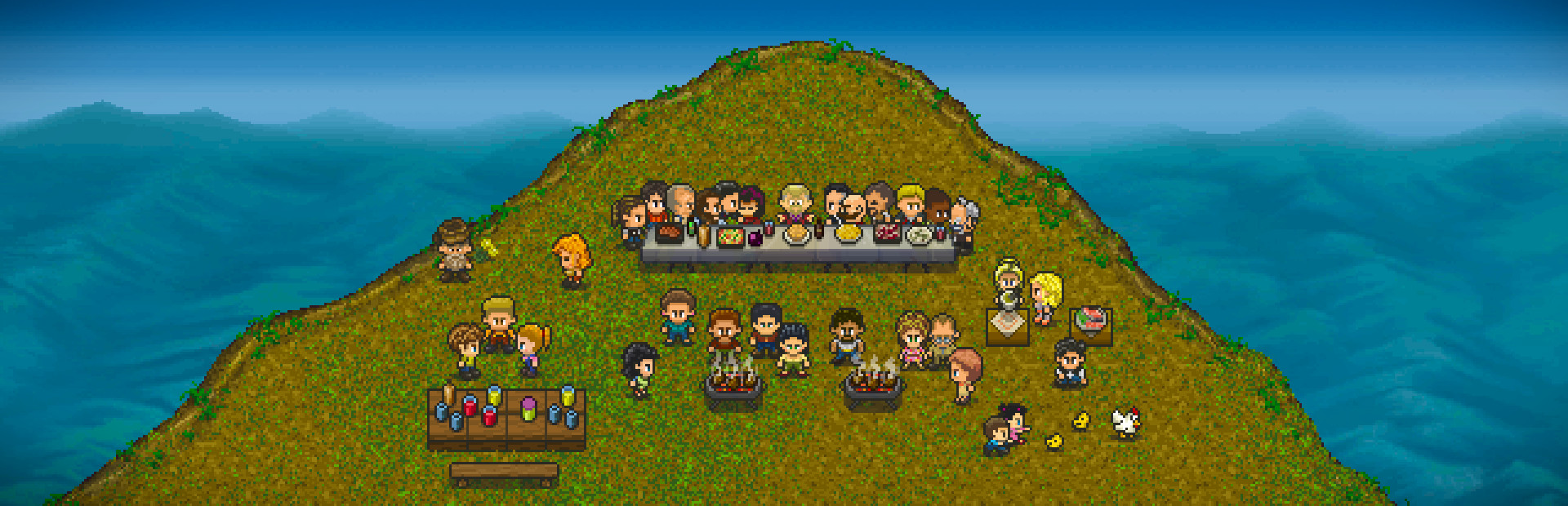
My first instinct when I booted up Gleaner Heights was that I'd accidentally launched Harvest Moon on a bad day. Pixel fences that look ripped straight from the SNES original, a rundown farm on the edge of a sleepy mountain town, chickens to feed before breakfast. Standard stuff. Then night fell on my first in-game week, and a neighbor I'd been gifting turnips to turned out to be doing something that belongs nowhere near a cozy farming sim. That tonal whiplash is the entire point, and whether it works for you depends almost entirely on your patience with a stamina-hungry daytime loop. The farming layer is genuine old-school Harvest Moon design, not the Stardew Valley refinement most players are conditioned to expect. You till with a hoe, plant seeds, water by hand every morning, and watch the stamina bar drain faster than feels fair. Rain washes freshly planted seeds away. Summer heat makes you water twice. There are over 40 crops spread across four seasons, plus livestock - cows, chickens, a horse - fish in the lake, a mine running at least 40 floors deep for ore and tool upgrades, underwater diving with a scuba suit, mushroom cultivation in a cave, silkworm breeding, and 110 cooking recipes. On paper that is a content-dense farming sim. In practice, without sprinklers or meaningful automation early on, the daily routine becomes repetitive quickly. A craftable robot helper can eventually take over watering, but reaching it requires real investment in the mine and the workshop system. Consider that the carrot and the treadmill, in equal measure. The more interesting design is the other half of the game. Gleaner Heights runs a sin system: every morally bankrupt choice you make gets tallied, and the ending you see reflects the kind of person you became while pretending to tend crops. The over-30 villagers each have schedules, secrets, and storylines that surface only after you invest relationship points with them - and the content behind those walls is genuinely dark, covering domestic abuse, addiction, occultism, and worse. Player choice decides whether you intervene or exploit each situation. There are optional boss fights guarding treasure, and a combat system built on dashing, rolling, and bow-and-arrow mechanics that reviewers fairly described as clunky, with a hit detection box small enough to miss enemies point-blank. Character class selection at game start - accountant, wrestler, veterinarian, cook, psychologist - gives you passive perks that bend your playstyle toward profit optimization, combat, animal husbandry, or relationship-building, which is one of the smarter structural decisions in the game. The sin-tracking and branching narrative give the whole thing meaningful replay incentive that a straight farming sim simply cannot offer. The rough edges are real and worth pricing into your decision. The tutorial is essentially non-existent beyond a few menu notes, story beats trigger only at very specific times of specific seasons with zero hints pointing you there, and the combat hit boxes frustrated players across most reviews. The dialogue can feel thin for secondary characters, and community reports mention occasional crashes that, thankfully, rarely cost more than one in-game day due to the daily autosave structure. A solo developer built all of this, and the Steam community has been responsive enough that patch updates addressed stamina feedback and added quality-of-life changes like a farming grid overlay. Steam sits at 73% positive across a few hundred reviews, which is the honest number for a game with a strong premise and uneven execution. If you want a polished, gentle farming experience that respects your time, go back to Stardew Valley. Gleaner Heights is for players who want the genre recontextualized - who are willing to treat the repetitive farming not as the game but as the cover story, and who find genuine appeal in a small town that gets more unsettling the longer they stay. Keep a community guide open for story trigger conditions. Accept that the combat will annoy you. The mystery underneath is worth it.

Strategy & simulation
Tags
System Requirements
Minimum
- OS
- Win XP, Vista, 7, 8, 10
- Memory
- 2 GB RAM
- DirectX
- Version 9.0
- Storage
- 300 MB available space
- Graphics
- AMD Radeon 4870 / Nvidia GTX 260
- Processor
- Intel Core2 Duo E8200 @ 2.66GHz
Recommended
- OS
- Win XP, Vista, 7, 8, 10
- Memory
- 4 GB RAM
- DirectX
- Version 9.0
- Storage
- 300 MB available space
- Graphics
- AMD Radeon 6790 / Nvidia GeForce GTX 550 Ti
- Processor
- Intel Core2 Quad Q9550 @ 2.83GHz
Keep exploring
Community Discussion
Be the first to comment on Gleaner Heights.
Reviews & Ratings
Game Info
- Developer
- Emilios Manolidis
- Publisher
- Emilios Manolidis
- Release Date
- Feb 21, 2018