Gleamlight
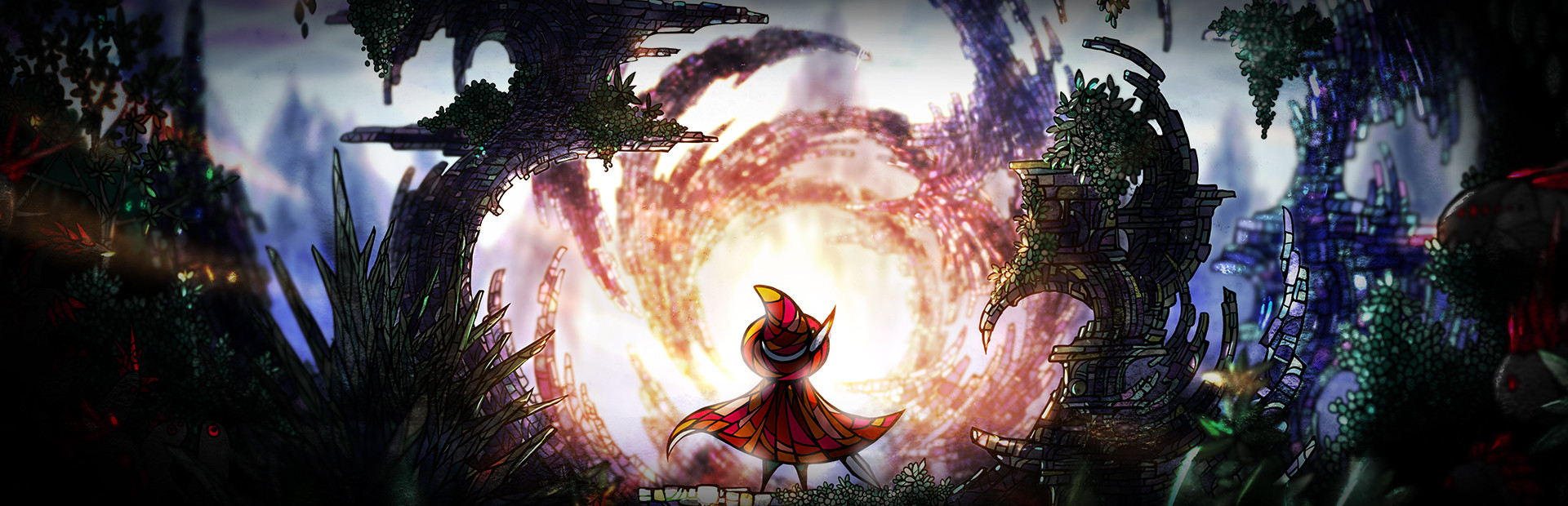
Gorgeous stained-glass visuals wrapped around one of the most hollow action-platformers of its era. The art will hook you; everything beneath it will push you away.
GamerScout Verdict
Skip it unless the stained-glass art alone is worth the entry cost to you, because the gameplay underneath will not hold.
Compare Prices(6 stores)
Every store in this table quotes us in euros, so the EUR figure is the price the seller actually set, not our arithmetic — which is why EUR is also the currency we rank in. We only list an offer here when the store gives us its price in euros, so nothing in this table is a number we invented.
Pick USD, PLN, GBP, CAD or AUD in the header and we convert from EUR at the European Central Bank reference rate — converted amounts are prefixed with ~. Your bank or the store may apply a different rate at checkout. We never hide offers based on where you are: everyone sees this whole table.
We may earn a commission when you buy games through links on this page — at no extra cost to you. It never affects our rankings or verdicts.
Price History
Screenshots & Media
About Gleamlight
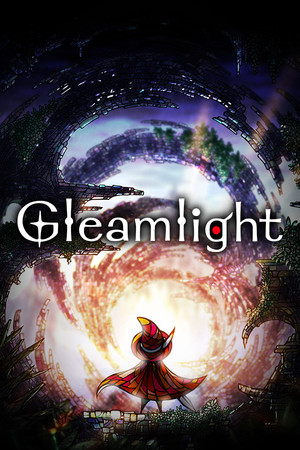
I wanted Gleamlight to be the underdog story I love telling. The stained-glass aesthetic is genuinely arresting, and the zero-UI philosophy sounds like the kind of deliberate, confident design choice that small developers pull off beautifully when they trust their world to speak. It does not speak here. It barely whispers, and what it whispers does not make sense. You play as Gleam, a tiny sword-wielding figure moving through a side-scrolling world where everything, from the trees to the enemies, is rendered in fractured, luminous glass. The visual hook is real. Shimmering crystals catch light, area backgrounds carry genuine depth, and watching an enemy shatter on a killing blow produces a satisfying glass-crack sound. That much works. The design idea at the center of combat is also interesting on paper: both you and enemies exchange health through attacks, so your character brightens as you deal damage and darkens as you absorb hits. It turns every fight into a visual health bar without an actual health bar. In practice, though, the system collapses almost immediately, because standing inside a larger enemy and mashing the attack button will regenerate your health faster than they can hurt you. Boss fights become trivialized to the point that they stop feeling like encounters at all. The bigger wound is structural. Despite visual cues suggesting a Metroidvania, the game is entirely linear, with no map and no real reason to poke around. You unlock new traversal abilities, including a dash and a triple jump, by defeating bosses, but the game communicates none of this. New skills appear silently, and the only way to discover them is to press every button until something works. The level design follows the same non-logic: rooms feel assembled from random platform arrangements rather than built with intention, and the darkness that saturates most environments, which should reinforce the stained-glass atmosphere, instead obscures hazards until you walk into them. Spike placements in particular feel punitive without purpose. There is no spoken or written story to hold any of this together. The wordless narrative concept might have worked if the environmental design did the heavy lifting, but the rooms are too repetitive and anonymous to carry meaning. To Gleamlight's small credit, there is modest enemy variety, puzzle room layouts range from tight corridors to open caverns, and the shattering glass audio feedback has a tactile quality that almost nobody mentions when criticizing the game. The 30 Steam achievements also provide mild structural goals for completion-minded players. These are genuinely the bright spots, and they feel stranded in a game that never figured out what to build around them. The OpenCritic average across 17 critics sits at 47, with zero recommending it, and the Steam user base lands at Mostly Negative. That consensus is not unfair.

Indie & narrative
Tags
System Requirements
Minimum
- Memory
- 4 GB RAM
- Storage
- 10 GB available space
- Graphics
- AMD Radeon R9 280X / GeForce GTX 760
- Processor
- AMD FX-4350 / Intel Core i5-4460
Recommended
- Memory
- 8 GB RAM
- Storage
- 10 GB available space
- Graphics
- AMD Radeon R9 290 / GeForce GTX 1050 Ti
- Processor
- AMD FX-6300 / Intel Core i5-4590
Keep exploring
Community Discussion
Be the first to comment on Gleamlight.
Reviews & Ratings
No ratings available
Game Info
- Developer
- DICO
- Publisher
- D3PUBLISHER
- Release Date
- Aug 20, 2020