
Future Proof
Twelve minutes, fifteen possible fates, and one tiny town that genuinely wants to surprise you. Future Proof is the kind of low-budget indie that earns more goodwill than its price tag suggests it should.
GamerScout Verdict
Worth an afternoon for fans of loop-based logic and branching adventure games who can forgive early-dev rough edges.
Compare Prices(6 stores)
Every store in this table quotes us in euros, so the EUR figure is the price the seller actually set, not our arithmetic — which is why EUR is also the currency we rank in. We only list an offer here when the store gives us its price in euros, so nothing in this table is a number we invented.
Pick USD, PLN, GBP, CAD or AUD in the header and we convert from EUR at the European Central Bank reference rate — converted amounts are prefixed with ~. Your bank or the store may apply a different rate at checkout. We never hide offers based on where you are: everyone sees this whole table.
We may earn a commission when you buy games through links on this page — at no extra cost to you. It never affects our rankings or verdicts.
Price History
Screenshots & Media
About Future Proof
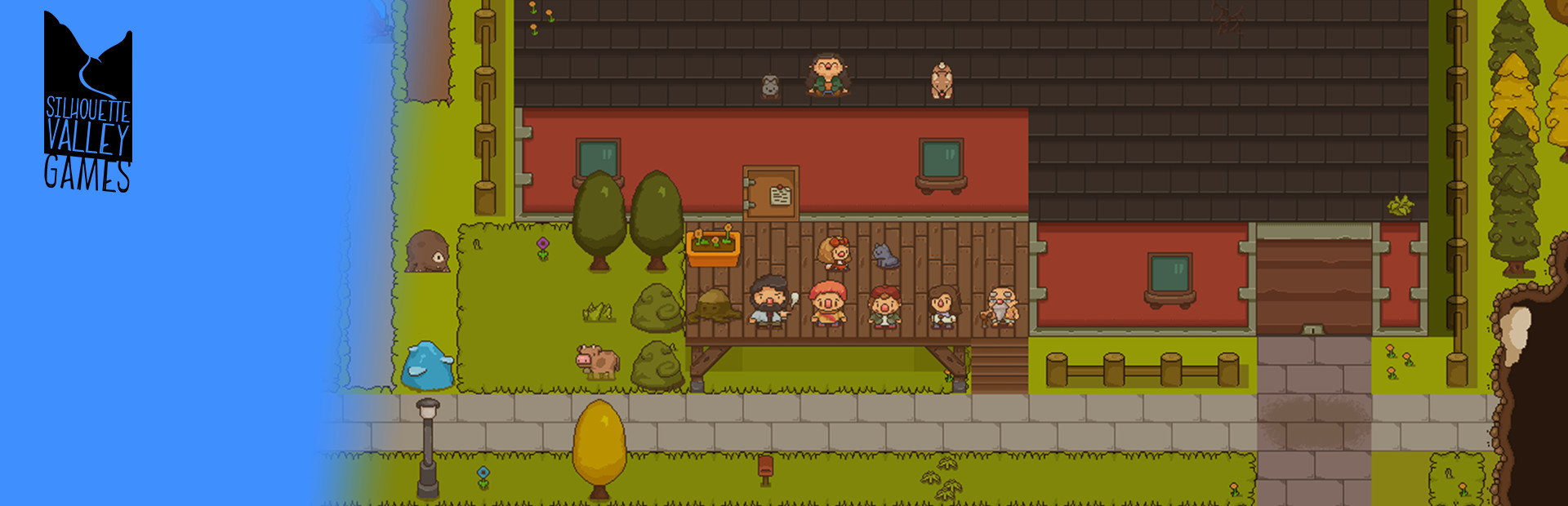
I have a soft spot for small games that quietly do something clever, and Future Proof is exactly that kind of quiet achiever. You step into the shoes of Sean, a teenager with an ability he barely understands: every time he dies, the clock rewinds to the same twelve-minute starting point, and the meteorite barreling toward the town of Greensvale resets right along with it. The loop is your laboratory. What you learn in one run becomes the key to unlocking a different path in the next, and the game is genuinely built around that compounding knowledge. The top-down, pixel-art world of Greensvale is small by design, and the game leans into that constraint rather than apologizing for it. Residents are rooted to routines, items are scattered around the town waiting to be collected and worn, and a built-in thought system logs clues so you are not forced to take paper notes on your desk like a 1990s point-and-click survivor. Visually it pulls from 90s cartoon aesthetics and the warm, slightly absurd register of Earthbound, which means the pixel work punches well above what you would expect from an early solo-dev release. The puzzles themselves are logic-based and mostly intuitive; the satisfaction comes less from cracking a hard puzzle in isolation and more from suddenly realizing which earlier interaction unlocks a door you passed six loops ago. There are fifteen endings to find, and that number is the game's central promise and its main caveat. A first playthrough to a satisfying main ending runs roughly two hours, which is a perfectly calibrated length. Hunting all fifteen, however, is a different commitment entirely, and some of those paths require a degree of lateral thinking that will push certain players toward the community guide. The replayability is genuine rather than padding, because the loop structure means repeating content feels purposeful, not wasteful. A skip system lets you burn through already-solved puzzles on repeat runs, which is a small-studio quality-of-life touch that shows genuine care for the player's time. Community reception has been small but unanimously warm, with every Steam reviewer on record giving it a thumbs up, and one outlet describing it as "an excellent take on an old concept, complete with a multitude of secrets and good humor." The rough edges are there too: this is an early release from a new developer, and a handful of minor bugs around the timer have been noted by players. Nothing game-breaking, but the seams occasionally show. Future Proof is for players who enjoyed the spatial memory and NPC-routine logic of older Zelda overworlds, or who liked the moral branching of short adventure games but want the loop structure to justify replaying rather than just reloading. It is not a polished prestige release. It is a small handcrafted thing with a clear idea, executed with enough warmth and wit that the roughness becomes almost part of the charm.

Indie & narrative
Tags
System Requirements
Minimum
- OS
- Windows 7/8/8.1/10/11 (32bit/64bit)
- Memory
- 4 GB RAM
- DirectX
- Version 9.0
- Storage
- 400 MB available space
- Graphics
- One with OpenGL support
- Processor
- Intel Core 2 Duo or equivalent or greater
Keep exploring
Community Discussion
Be the first to comment on Future Proof.
Reviews & Ratings
No ratings available
Game Info
- Developer
- Silhouette Valley Games
- Publisher
- Silhouette Valley Games
- Release Date
- May 17, 2018