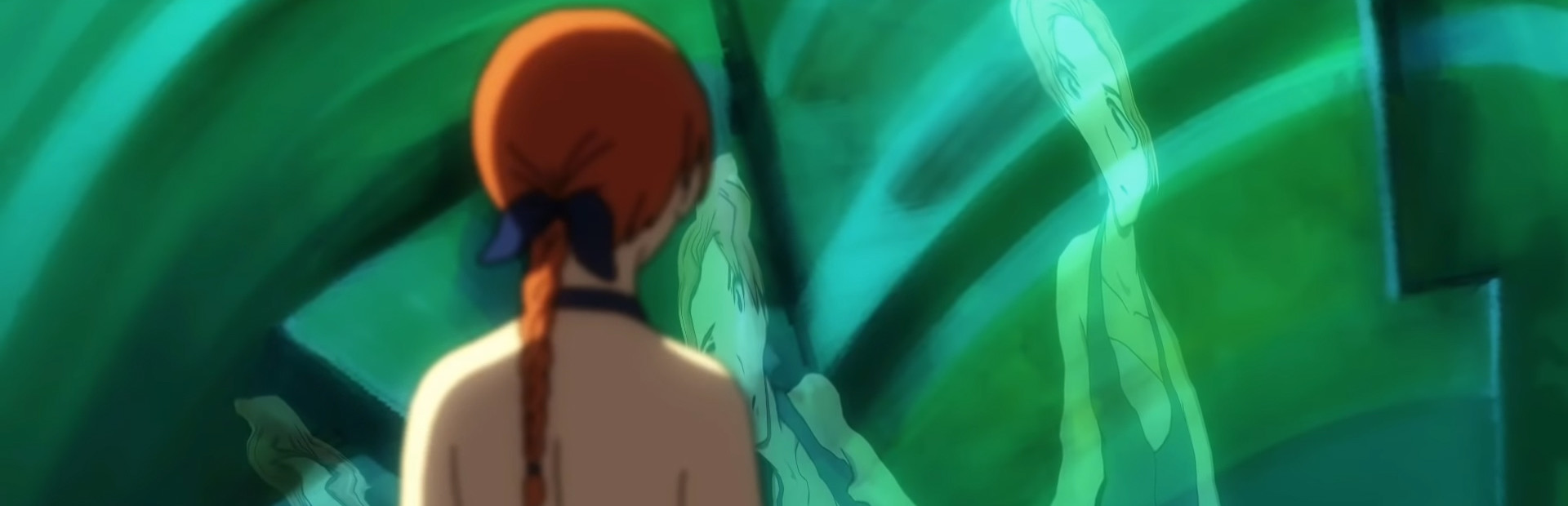

Forgotton Anne
Hand-drawn, orchestral, morally uncomfortable: Forgotton Anne asks whether you'd execute a sentient sock to get home, and it means every word of that question.
GamerScout Verdict
Built for players who value atmosphere and moral weight over mechanical depth; the six-hour runtime earns every minute if you let it.
Compare Prices(6 stores)
Every store in this table quotes us in euros, so the EUR figure is the price the seller actually set, not our arithmetic — which is why EUR is also the currency we rank in. We only list an offer here when the store gives us its price in euros, so nothing in this table is a number we invented.
Pick USD, PLN, GBP, CAD or AUD in the header and we convert from EUR at the European Central Bank reference rate — converted amounts are prefixed with ~. Your bank or the store may apply a different rate at checkout. We never hide offers based on where you are: everyone sees this whole table.
We may earn a commission when you buy games through links on this page — at no extra cost to you. It never affects our rankings or verdicts.
Price History
Screenshots & Media
About Forgotton Anne
My first hour with Forgotton Anne felt like someone had pressed play on a Studio Ghibli film and quietly handed me the controller. That sensation never fully goes away, and for a certain kind of player, that is the entire sales pitch. The Forgotten Lands is a side-scrolling world where every lost object, from a stray sock to an old lamp, has gained sentience and is longing to return to its owner. You play as Anne, the Enforcer who keeps order for the authoritative Master Bonku, and almost immediately the game makes you do something that sits wrong in your chest. That early moment of distilling a frightened forgotling, draining its anima and effectively ending its life, lands harder than most games manage in a full runtime. The Arca, the glove-like device on Anne's left hand, doubles as both a tool for manipulating anima-powered machinery and a weapon against the very beings she governs, and that duality is where the writing is sharpest. The world itself is the undeniable star. Character designs are inventive and strange in the best way: a dress mannequin leading the rebellion, a cloaked light bulb in a top hat as its ally, a living briefcase that flinches when Anne asks it to open up for inspection. The hand-drawn animation carries real craft, and the cinematics bleed into gameplay without a seam or a loading screen between them. Backing all of it is an orchestral score performed by the Copenhagen Philharmonic Orchestra, which swells and softens exactly when it needs to. On headphones in a dark room, the atmosphere this game builds is something genuinely rare. Where Forgotton Anne earns its 76 on Metacritic rather than something higher is in the gap between its visual and narrative ambition and its actual mechanical execution. The anima puzzles, which involve rerouting energy through pipes, switches, and junction points, are the only real puzzle type in the game, and they repeat their logic from start to finish without meaningful escalation. The platforming carries a deliberate, weighted quality to Anne's animations that looks beautiful but can feel imprecise, particularly in a handful of timed sequences in the later chapters where the gap between what you intended and what happened is frustrating rather than fair. None of this will stop you finishing the game. You cannot die. The punishment for a missed jump is a few wasted seconds. But players who come for mechanical depth will feel the shallowness. The choices woven into the dialogue are the more interesting design conversation. Forgotton Anne does not flag consequential decisions the way most games do. It tells you once, early on, that some things cannot be undone, and then leaves you to work that out yourself. Some of those decisions ripple into later scenes in ways that feel genuinely resonant. Others, if you are being honest, feed into an ending shaped more by a single final choice than by everything that came before it. The game runs about six hours on a first playthrough, which is exactly the right length for what it is trying to do. It knows when to end. Completionists have Pacifist and Empathic achievement runs to structure a second pass, and a chapter-select mode unlocks after credits, which makes going back to missed mementos and collectibles painless. This is a game for people who can accept that a slow, weighted walk through a beautiful world is the point, not a problem. If you need your platformers to feel crisp and your puzzles to genuinely challenge you, Forgotton Anne will test your patience before the second act. If you are the kind of person who still thinks about a game days after finishing it, quietly turning a moral question over in your mind, this small studio managed something that most developers with ten times the budget never pull off.

Indie & narrative
Tags
System Requirements
Minimum
- OS
- Windows 7 or above
- Memory
- 3 GB RAM
- DirectX
- Version 9.0c
- Storage
- 12 GB available space
- Graphics
- Nvidia GeForce GT 630 or AMD Radeon HD 4870
- Processor
- Intel Core i3-530, 2.93 Ghz or AMD Phenom II X4 965, 3.40Ghz
Recommended
- OS
- Windows 10
- Memory
- 4 GB RAM
- DirectX
- Version 9.0c
- Storage
- 12 GB available space
- Graphics
- Nvidia GeForce GTX 650 Ti or AMD Radeon HD 5850
- Processor
- Intel Core i3-2125, 3.30 Ghz or AMD FX-4350, 4.20 Ghz
Keep exploring
Community Discussion
Be the first to comment on Forgotton Anne.
Reviews & Ratings
Game Info
- Developer
- Throughline Games
- Publisher
- Throughline Games
- Release Date
- May 15, 2018