Fearmonium
A one-person fever dream inside a teenager's fractured mind, where rubber-hose cartoon art meets genuine psychological weight. Worth the look if you like your metroidvanias strange and story-first.
GamerScout Verdict
Best for metroidvania fans who want a strange, psychologically grounded story and can forgive stiff controls and occasional navigation fog.
Compare Prices(4 stores)
Every store in this table quotes us in euros, so the EUR figure is the price the seller actually set, not our arithmetic — which is why EUR is also the currency we rank in. We only list an offer here when the store gives us its price in euros, so nothing in this table is a number we invented.
Pick USD, PLN, GBP, CAD or AUD in the header and we convert from EUR at the European Central Bank reference rate — converted amounts are prefixed with ~. Your bank or the store may apply a different rate at checkout. We never hide offers based on where you are: everyone sees this whole table.
We may earn a commission when you buy games through links on this page — at no extra cost to you. It never affects our rankings or verdicts.
Price History
Screenshots & Media
About Fearmonium
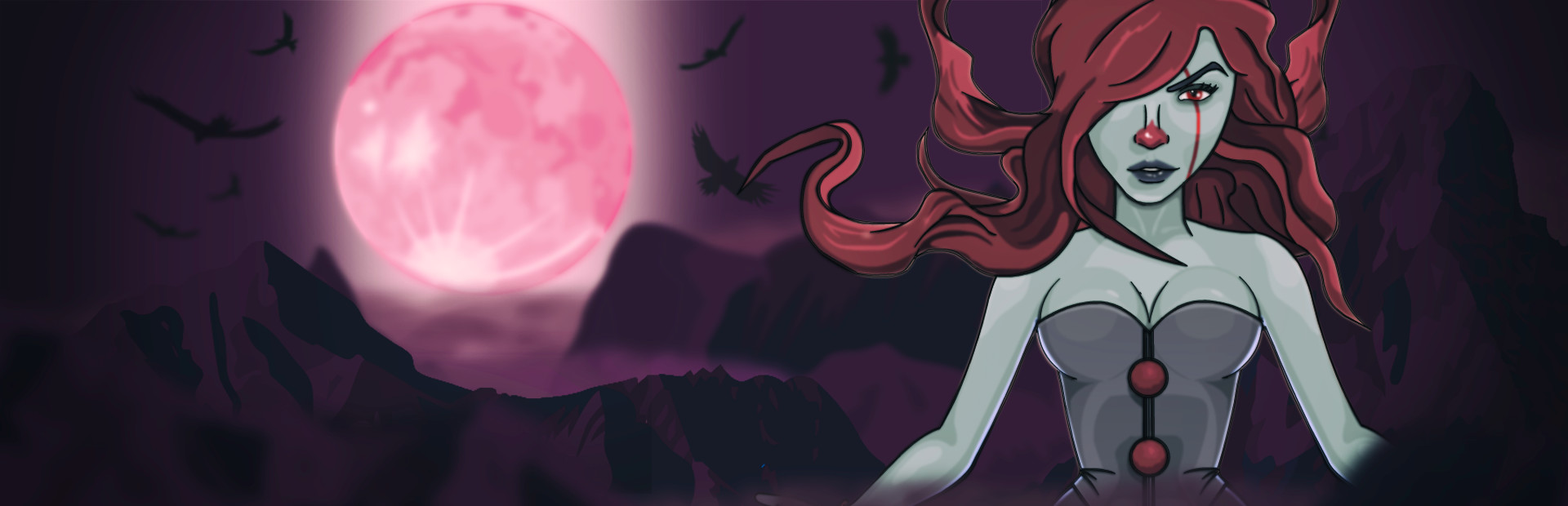
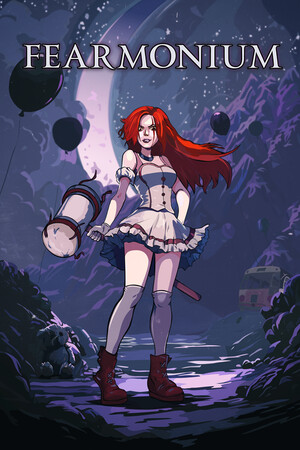
My first impression of Fearmonium was that someone had smuggled a psychology thesis into a 1930s cartoon and set the whole thing on fire in the best possible way. You do not play a hero. You play Coulrophobia, a clown-shaped unpleasant memory working her way up the food chain inside the mind of Max, a teenager dealing with an abusive stepfather, a crushing social life, and a bottle of antidepressants that have not quite done the job. Lady Depression is your save point and your patron. That framing alone puts Fearmonium in a category of one. The handcrafted visual style is the first thing that grabs you, and it earns the comparison to Cuphead that reviewers inevitably reach for. What separates it is tone: where Cuphead leans into punishing spectacle, Fearmonium leans into dread. The rubber-hose animation is all bounce and curve on the surface, but the world underneath it is genuinely unsettling. Max's fears manifest as distinct themed zones, from a toy-filled regression realm packed with carousel horses and aggressive paper airplanes, to school hallways crawling with bullies and mean girls. Each area's enemy roster reflects Max's actual headspace, which is one of those small design decisions that quietly elevates the whole experience. The solo developer, Slava Gris, is a self-taught artist who holds a master's degree in psychology and previously worked in youth assistance. That background is not decorative. It shows in how the bosses are named: Pediophobia summons crawling dolls with fiddle music, Regression is Max's own teddy bear ripping its head off to attack you, and Diffidence is a masked entity accompanied by a hypnotized avatar of Max shooting projectiles. Mechanically these fights are on the easier side, but their symbolism lands with more weight than most genre bosses twice their difficulty. The core loop is familiar: explore with your mallet, unlock abilities like double jump and dash, collect adrenaline to heal, gather balloons as currency, and return to old paths once you have the tools to open them. Secondary weapons include firecrackers and exploding gifts. A revival token called Nightmare brings you back at half health if you have one in inventory. Save points are spread deliberately, and dying between them means losing progress since enemies do not drop health pickups, so the pacing has a real tension to it even when individual combat feels loose. The hint system exists but costs in-game currency, which nudges you toward exploration rather than hand-holding. Fast travel between save points helps once you have unlocked it. Expect somewhere between eight and twenty hours depending on how thoroughly you map Max's subconscious. The rougher edges are worth knowing about before you commit. The controls carry a slight input delay that becomes noticeable when you need to mallet quickly or slide through a narrow window. Direction-flipping during attacks frustrates more than it should. The comic panel cutscenes that tell Max's real-world story between zones are noticeably rougher in art quality than the in-game animation, and the dialogue in those sections runs long without always delivering the emotional payoff you want. Navigation clarity is the other recurring complaint: the map does not always tell you where to go next, and the paid hint system means directionless wandering is baked in by design rather than by accident. These are honest one-person-project limitations, and knowing about them in advance makes them easier to absorb. For the right player, none of that outweighs what Fearmonium actually is: a genuinely singular metroidvania built from the inside out, scored by Expecte Amour with a melancholy that fits the subject matter like a second skin. Steam users have landed at around 84 percent positive after nearly 500 reviews, which is a quiet endorsement from a small but committed audience. If you are drawn to games that use the genre as a container for something stranger and more personal, this one was made with real intent and it shows.

Indie & narrative
Tags
System Requirements
Minimum
- OS
- Windows 7
- Memory
- 4 GB RAM
- DirectX
- Version 10
- Storage
- 750 MB available space
- Graphics
- Hardware Accelerated Graphics with dedicated memory
- Processor
- Dual Core 2.4 Ghz
Keep exploring
Community Discussion
Be the first to comment on Fearmonium.
Reviews & Ratings
No ratings available
Game Info
- Developer
- Redblack Spade
- Publisher
- Redblack Spade
- Release Date
- May 20, 2021