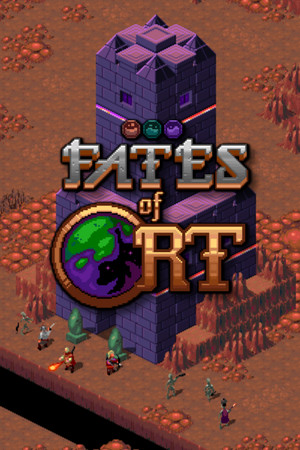
Fates of Ort
An open-world RPG where standing still literally stops time, and every spell you cast chips away at your own life. Small, handcrafted, and far too easy to overlook.
GamerScout Verdict
Best for RPG players who enjoy tactical spell-building and open exploration without quest-marker hand-holding.
Compare Prices(5 stores)
Every store in this table quotes us in euros, so the EUR figure is the price the seller actually set, not our arithmetic — which is why EUR is also the currency we rank in. We only list an offer here when the store gives us its price in euros, so nothing in this table is a number we invented.
Pick USD, PLN, GBP, CAD or AUD in the header and we convert from EUR at the European Central Bank reference rate — converted amounts are prefixed with ~. Your bank or the store may apply a different rate at checkout. We never hide offers based on where you are: everyone sees this whole table.
We may earn a commission when you buy games through links on this page — at no extra cost to you. It never affects our rankings or verdicts.
Price History
Screenshots & Media
About Fates of Ort
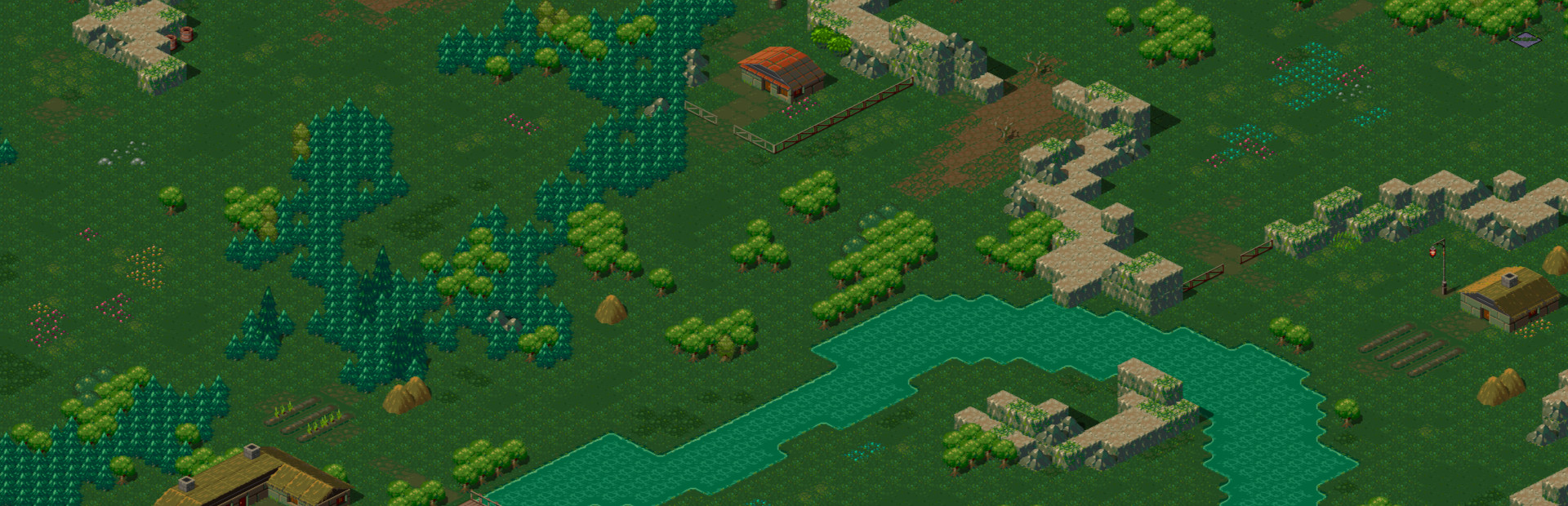
I went in expecting a pleasant retro curio and came out genuinely rattled by how thoughtfully the whole thing holds together. Fates of Ort is a solo effort from the two-person studio 8BitSkull, and the care of that scale shows in every corner of the world. Nothing here feels padded. Nothing here feels like a committee decision. The central tension is elegant and rare: you play as a novice mage in the world of Ort, and magic is genuinely, mechanically dangerous to use. Every spell pull from your own life force, so leaning on your sword is not a fallback, it is a real tactical option. You can run a near-pacifist blade build or lean into one of three elemental affinities - Life, Mind, or Shadow - each of which reshapes how your 12 learnable spells actually manifest. The Evoke Force spell alone can erupt ice crystals from the ground, summon a lightning strike, or open a meteor shower depending on your chosen path. That kind of combinatorial expressiveness in a small indie package is not something you see often. Layered on top is the time-freeze mechanic: the world pauses completely whenever your character stands still, turning what could have been a twitchy action game into something far more deliberate and considered. Enemies hit hard - a single swing can strip meaningful chunks of health - but they telegraph cleanly, and the time-stop gives you the breathing room to read a situation before committing. The world itself is open and non-linear in a way that can catch you off guard. The final battle is technically accessible almost from the start, and quest order is largely up to you. That freedom is a double-edged thing: some players will love the autonomy, while others may find the main story thread loses some of its momentum when there is no guiding hand. Side quests branch meaningfully, choices carry permanent consequences across the world state, and multiple endings encourage at least a second playthrough. The chunky pixel art uses bold, high-contrast colour to keep combat readable even when projectiles start filling the screen, and the soundtrack by Christoph Gray sits right in that warm, unobtrusive zone where it supports atmosphere without demanding attention. It fits the game the way a good score should: you notice it more in its absence. Where the cracks show up is modest but worth flagging. The UI is serviceable rather than polished, inventory management can feel slightly clunky especially on a controller, and some players will find the default difficulty underwhelming before they find their footing with spell combinations. The non-linearity, while admirable, means a first-time player can accidentally gate themselves out of whole content regions, like the Rootlands, without any warning. That is a design philosophy choice more than a flaw, but go in knowing that some paths close permanently based on quiet decisions you may not have fully processed. This is exactly the kind of game that slips through the cracks because it does not resemble anything easy to pitch in a trailer. It resists clean genre labels, it is not loud about its ambitions, and it trusts the player to explore rather than directing them with quest markers every twenty feet. For a certain kind of RPG player, that is precisely the point.

Indie & narrative
Tags
System Requirements
Minimum
- OS
- Windows 7
- Memory
- 2 GB RAM
- Storage
- 400 MB available space
- Graphics
- OpenGL ES 2.0 + 1024MB VRAM
- Processor
- 2.3GHz processor
Keep exploring
Community Discussion
Be the first to comment on Fates of Ort.
Reviews & Ratings
No ratings available
Game Info
- Developer
- 8BitSkull
- Publisher
- 8BitSkull
- Release Date
- Mar 31, 2020