Compare Fatekeeper prices across trusted key stores and find the best deal. Developed by Paraglacial. Published by THQ Nordic. Released on 6/2/2026. Available on PC. Genres: Action, RPG, Early Access.

Dark Messiah's spiritual heir arrives in Early Access with punishing first-person combat and genuine build depth, but right now you're paying for a two-hour proof of concept, not a finished RPG.

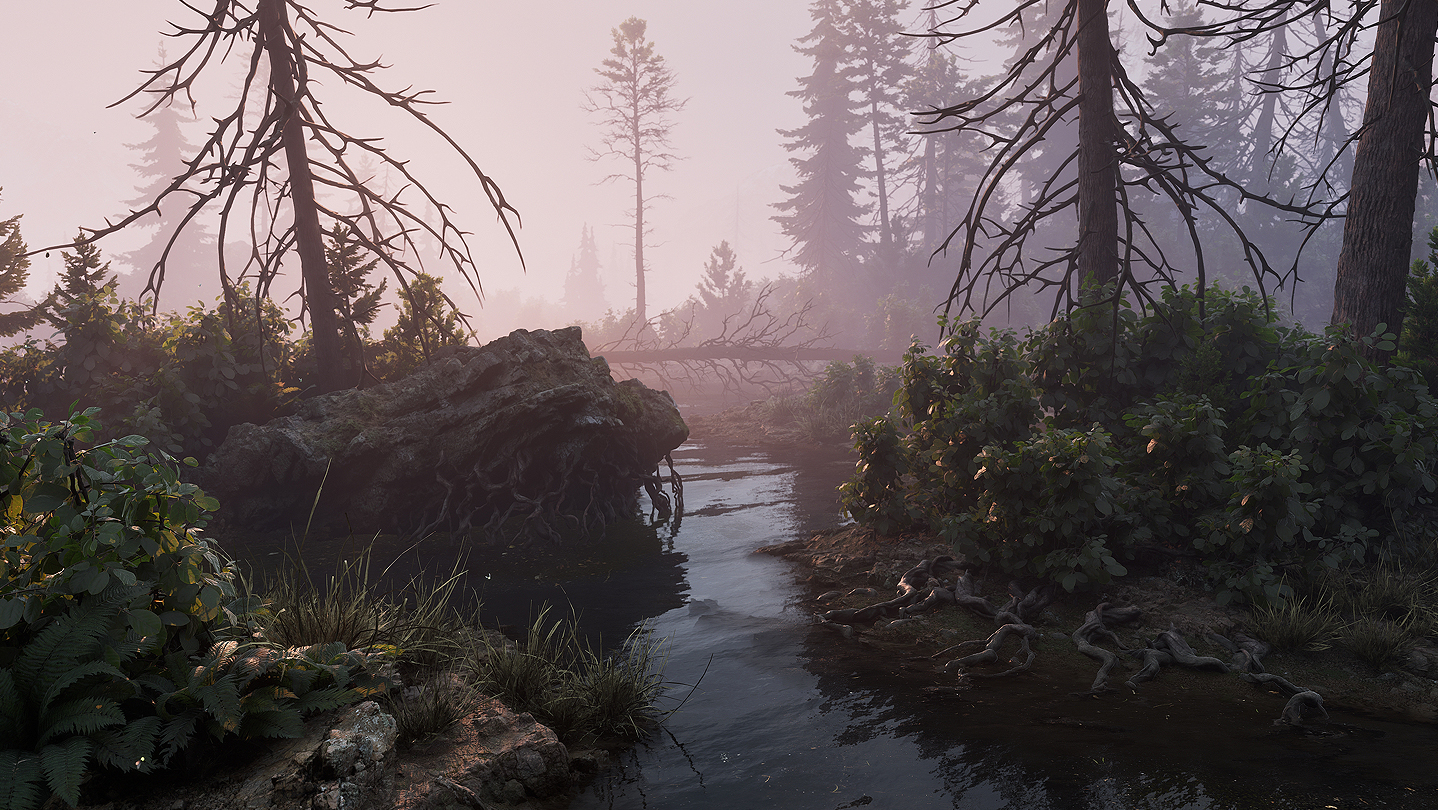
I have a soft spot for first-person melee RPGs, and Fatekeeper had me at the moment I froze an enemy solid mid-swing, shattered him with a follow-up, and watched his pieces scatter across a crumbling stone floor. Paraglacial, a thirteen-person studio, has built something that feels genuinely distinct rather than derivative, and the DNA of classic immersive-sim swordplay runs through every reactive parry and physics-assisted kick. The comparison critics kept reaching for when this hit Early Access in June 2026 is Dark Messiah of Might and Magic, and it is not an unfair one. The combat loop has that same satisfying weight: kicks, shoves, and ledge-drops are real tactical options, not flavor. The archetype system deserves attention, because this is where Fatekeeper earns its RPG badge rather than just slapping the label on an action game. There are no rigid classes. Instead, five archetype paths, including Pyroclast, Frost Reaper, Blood Knight, Wind Dancer, and Alchemist, feed into a shared skill tree with an Alteration layer on top. Fire spells melt barriers and ignite oil slicks. Cryomancy freezes terrain and opens hidden paths behind illusory walls. Wind controls enemy positioning, which pairs brutally well with ledge-heavy level design. A Spell Alteration node like Split Cast can turn a basic Fireball into an armor-stripping area tool. Relics, artifacts, alchemical oils, and gear all layer on top, meaning the build space is genuinely wide even inside two hours of content, and the game expects you to think about synergies from the first room, not the fortieth. The world design holds up its end of the bargain too. Areas like the Blightwood and the Sunken Ziggurat are handcrafted, not procedurally generated, and every side room hides relics that can meaningfully redirect a run. There is a talking-rat companion who rides in your pack and comments on proceedings, which sounds twee but lands closer to charming. The environmental aesthetics are the clearest strength: the lighting work in underground caverns is striking, and the ruins genuinely feel like they belong to a world that had history before you showed up. Sound design is a weaker point, and some reviewers have flagged it as something that patches can improve but needs attention before 1.0. Now for the honest accounting. The current Early Access build is roughly two to three hours of story campaign, and the final encounter closes without resolution. Enemy AI has documented bugs, including enemies that freeze in place when multiple corpses block their path. Combat, while creative in concept, still feels rough in execution in places, particularly in how spell timing interacts with melee recovery windows. Paraglacial has confirmed a roadmap through three phases, with expanded skill tree rings, more powerful magic tiers, additional relics, and environmental interaction mechanics like chaining fire reactions through flammable geometry. The 1.0 target is a 15-hour campaign, with an Early Access period of at least 18 months. That is a significant gap between what exists today and what the game is promising to be. So the real question is the one any Early Access RPG forces: do you trust the foundation enough to buy into the process? The combat system has enough individuality to justify the interest, and the archetype depth gives the short runtime more replay value than the hour count suggests. But players expecting a complete act of content with narrative payoff will leave frustrated. If you are the kind of person who rebuilds a Blood Knight run twice before the credits roll on the Alchemist, Fatekeeper's early bones are worth exploring. If you need a story that goes somewhere before you can commit, the roadmap is your friend and the wait will serve you better. Monika, Scout Team

Fatekeeper
ActionRPGEarly Access

Fatekeeper

Jun 2, 2026ParaglacialTHQ Nordic
GamerScout Says

Dark Messiah's spiritual heir arrives in Early Access with punishing first-person combat and genuine build depth, but right now you're paying for a two-hour proof of concept, not a finished RPG.

PC
ProtonDB Platinum
Best Price Available
€0.00
at N/A

GamerScout Verdict

Best for first-person melee fans willing to buy into a promising skeleton that needs 18 more months of content to become a full RPG.

Compare Prices(0 stores)

Loading prices...

We may earn a commission when you buy games through links on this page — at no extra cost to you. It never affects our rankings or verdicts.

Screenshots & Media

About Fatekeeper

I have a soft spot for first-person melee RPGs, and Fatekeeper had me at the moment I froze an enemy solid mid-swing, shattered him with a follow-up, and watched his pieces scatter across a crumbling stone floor. Paraglacial, a thirteen-person studio, has built something that feels genuinely distinct rather than derivative, and the DNA of classic immersive-sim swordplay runs through every reactive parry and physics-assisted kick. The comparison critics kept reaching for when this hit Early Access in June 2026 is Dark Messiah of Might and Magic, and it is not an unfair one. The combat loop has that same satisfying weight: kicks, shoves, and ledge-drops are real tactical options, not flavor. The archetype system deserves attention, because this is where Fatekeeper earns its RPG badge rather than just slapping the label on an action game. There are no rigid classes. Instead, five archetype paths, including Pyroclast, Frost Reaper, Blood Knight, Wind Dancer, and Alchemist, feed into a shared skill tree with an Alteration layer on top. Fire spells melt barriers and ignite oil slicks. Cryomancy freezes terrain and opens hidden paths behind illusory walls. Wind controls enemy positioning, which pairs brutally well with ledge-heavy level design. A Spell Alteration node like Split Cast can turn a basic Fireball into an armor-stripping area tool. Relics, artifacts, alchemical oils, and gear all layer on top, meaning the build space is genuinely wide even inside two hours of content, and the game expects you to think about synergies from the first room, not the fortieth. The world design holds up its end of the bargain too. Areas like the Blightwood and the Sunken Ziggurat are handcrafted, not procedurally generated, and every side room hides relics that can meaningfully redirect a run. There is a talking-rat companion who rides in your pack and comments on proceedings, which sounds twee but lands closer to charming. The environmental aesthetics are the clearest strength: the lighting work in underground caverns is striking, and the ruins genuinely feel like they belong to a world that had history before you showed up. Sound design is a weaker point, and some reviewers have flagged it as something that patches can improve but needs attention before 1.0. Now for the honest accounting. The current Early Access build is roughly two to three hours of story campaign, and the final encounter closes without resolution. Enemy AI has documented bugs, including enemies that freeze in place when multiple corpses block their path. Combat, while creative in concept, still feels rough in execution in places, particularly in how spell timing interacts with melee recovery windows. Paraglacial has confirmed a roadmap through three phases, with expanded skill tree rings, more powerful magic tiers, additional relics, and environmental interaction mechanics like chaining fire reactions through flammable geometry. The 1.0 target is a 15-hour campaign, with an Early Access period of at least 18 months. That is a significant gap between what exists today and what the game is promising to be. So the real question is the one any Early Access RPG forces: do you trust the foundation enough to buy into the process? The combat system has enough individuality to justify the interest, and the archetype depth gives the short runtime more replay value than the hour count suggests. But players expecting a complete act of content with narrative payoff will leave frustrated. If you are the kind of person who rebuilds a Blood Knight run twice before the credits roll on the Alchemist, Fatekeeper's early bones are worth exploring. If you need a story that goes somewhere before you can commit, the roadmap is your friend and the wait will serve you better.

Monika
Monika · Scout Team

RPGs

Tags

singleplayercloud-savesDark FantasyPhysics-Based CombatSpell WeavingArchetype Build SystemImmersive Sim CombatEnvironmental InteractionReactive MeleeClassless ProgressionRelic Hunting

System Requirements

Minimum

OS
Windows 10 or 11 x64
Memory
16 GB RAM
DirectX
Version 12
Storage
45 GB available space
Graphics
NVIDIA® GeForce®RTX 3070, or AMD Radeon™ RX6800 -XT with 8GB of VRAM
Processor
Intel Core i7-10700K | Amd Ryzen 5 3600X

Recommended

OS
Windows 10 or 11 x64
Memory
32 GB RAM
DirectX
Version 12
Storage
45 GB available space
Graphics
NVIDIA® GeForce®RTX 3070, or AMD Radeon™ RX6800 -XT with 8GB of VRAM
Processor
Intel Core i7-10700K | Amd Ryzen 5 3600X

Keep exploring

Community Discussion

Be the first to comment on Fatekeeper.

Reviews & Ratings

Steam
79%(7,988)

Game Info

Developer
Paraglacial
Publisher
THQ Nordic
Release Date
Jun 2, 2026

Price Alert

Get notified when the price drops below your target!

Create Alert

No card? Pay another way

Top up your Steam Wallet or buy crypto with any card — instant delivery, no bank account needed.

Buy smarter: helpful guides

Looking for more? See games like Fatekeeper →

Frequently asked questions about Fatekeeper

How much does Fatekeeper cost?

Fatekeeper pricing changes often and varies by store, edition and region. The live price table on this page compares the cheapest in-stock offers from trusted key stores like Eneba and Kinguin, so you always see the current lowest price before you buy.

Where can I buy Fatekeeper cheapest?

Compare Fatekeeper prices across every verified store in the price table on this page. We list the cheapest in-stock key and store offers, updated regularly, so you always see the best current deal before you buy.

What platforms is Fatekeeper available on?

Fatekeeper is available on PC.

When was Fatekeeper released?

Fatekeeper was released on 2 June 2026.

Who developed Fatekeeper?

Fatekeeper was developed by Paraglacial and published by THQ Nordic.