
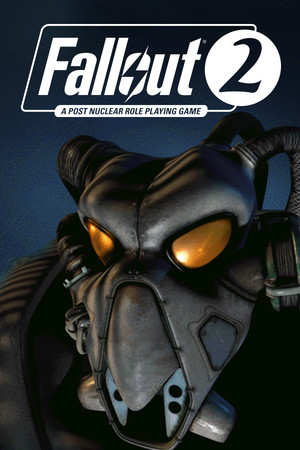
Fallout 2: A Post Nuclear Role Playing Game
The CRPG that taught a generation what choices actually cost: 30-plus hours of reactive wasteland storytelling where your reputation, build, and moral compass all bite back.
GamerScout Verdict
8.6/10Essential for patient CRPG fans who want choices with real consequences; a tough sell for anyone allergic to old-school friction.
Compare Prices(5 stores)
Every store in this table quotes us in euros, so the EUR figure is the price the seller actually set, not our arithmetic — which is why EUR is also the currency we rank in. We only list an offer here when the store gives us its price in euros, so nothing in this table is a number we invented.
Pick USD, PLN, GBP, CAD or AUD in the header and we convert from EUR at the European Central Bank reference rate — converted amounts are prefixed with ~. Your bank or the store may apply a different rate at checkout. We never hide offers based on where you are: everyone sees this whole table.
We may earn a commission when you buy games through links on this page — at no extra cost to you. It never affects our rankings or verdicts.
Price History
Screenshots & Media
About Fallout 2: A Post Nuclear Role Playing Game
I keep coming back to Fallout 2 the same way I keep coming back to Disco Elysium: not because it is comfortable, but because it respects your intelligence and punishes your mistakes with the cold indifference of a nuclear wasteland. You play the Chosen One, tribal grandchild of the original vault dweller, sent out into post-apocalyptic California with a spear, a Pip-Boy 2000, and a quest to find a G.E.C.K. before your village starves. That premise sounds tidy. The game is anything but. The S.P.E.C.I.A.L. system, with its seven core attributes, 18 tagged skills, and over 100 perks earned every three levels, gives you genuine build identity before you ever load a save. A high-Intelligence run unlocks entirely different dialogue branches, letting you talk your way past encounters that a dumb brute would have to shoot through. A Speech-and-Barter build plays almost like a different game from a Sniper or Unarmed brawler. The trait system adds real texture: pick Jinxed and every character on screen, including your own companions, starts fumbling critical attacks at random, which is either hilarious or catastrophic depending on your tolerance for chaos. Turn-based combat runs on an action-point economy tied to your Agility stat, meaning that build decisions made at character creation echo in every firefight through the end credits. Targeted shots to the eyes, groin, or legs can swing a losing encounter, and the expanded weapon roster, from Avenger miniguns to Gauss rifles to pulse weapons, means no single combat style dominates the late game. What separates Fallout 2 from its own sequels, though, is the reputation system. Every settlement tracks your standing individually, from Vilified to Idolized, and that standing shapes what quests open, which companions will travel with you, and whether the locals pull their guns the moment you walk in. Burn your reputation in Klamath and Sulik will refuse to join you. Get branded a Childkiller and wanted posters go up across the map. The world does not forget what you did, and that reactivity still holds up against modern CRPGs better than most people expect. The main quest runs roughly 30 hours, nearly double the first game, and side content layers on top of that with quests ranging from genuinely clever to forgettable fetch errands. The Vault City arc, the New Reno crime families, the slow reveal of the Enclave's agenda: when the writing is on, it is sharp, satirical, and willing to go places Bethesda's later entries never dared. But this review would be dishonest if it glossed over the friction. Companion AI is notoriously stubborn: party members will block corridors, fire into your back, and wander off-screen during random encounters. The inventory screen is awkward even by late-1990s standards, requiring constant scrolling through a narrow display. Pop culture references, everything from Monty Python gags to Hitchhiker's Guide nods, land unevenly and have aged into either charming relics or groan-worthy distractions depending on your mood. First-time players coming from Fallout 4 or New Vegas should install the official patch and consider the fan-maintained Restoration Project mod before starting, because the launch state of the game had serious bugs that the Steam version largely addresses but does not fully erase. The pathfinding AI is still inconsistent, and careless builds hit a wall around hour 15 that punishes anyone who did not read the character-creation tooltips twice. For patient CRPG fans who care about choices that carry weight, build variety that holds past hour 40, and a world that reacts to your reputation rather than just your main quest progress, Fallout 2 remains one of the clearest arguments that the genre peaked before the genre got popular. It is not kind to newcomers, and it is not trying to be.

RPGs
Tags
System Requirements
Minimum
- Processor
- Pentium 90Mhz or faster
- Memory
- 16 MB
- Graphics
- SVGA DirectX®: Any DirectX Hard Drive: 565 MB Sound: DirectSound or SoundBlaster Compatible
Keep exploring
Community Discussion
Be the first to comment on Fallout 2: A Post Nuclear Role Playing Game.
Reviews & Ratings
Game Info
- Developer
- Black Isle Studios
- Publisher
- Bethesda Softworks
- Release Date
- Aug 19, 2009
- Age Rating
- PEGI 15
