Expect The Unexpected
If FTL's branching world map got transplanted onto a tiled combat RPG with swords and spells, this is roughly what you'd get. Shallow enough to clear in a session, thin enough to forget just as fast.
GamerScout Verdict
Best picked up by roguelike newcomers who want an FTL-flavored on-ramp; strategy veterans will outgrow it within a few runs.
Compare Prices(3 stores)
Every store in this table quotes us in euros, so the EUR figure is the price the seller actually set, not our arithmetic — which is why EUR is also the currency we rank in. We only list an offer here when the store gives us its price in euros, so nothing in this table is a number we invented.
Pick USD, PLN, GBP, CAD or AUD in the header and we convert from EUR at the European Central Bank reference rate — converted amounts are prefixed with ~. Your bank or the store may apply a different rate at checkout. We never hide offers based on where you are: everyone sees this whole table.
We may earn a commission when you buy games through links on this page — at no extra cost to you. It never affects our rankings or verdicts.
Price History
Screenshots & Media
About Expect The Unexpected
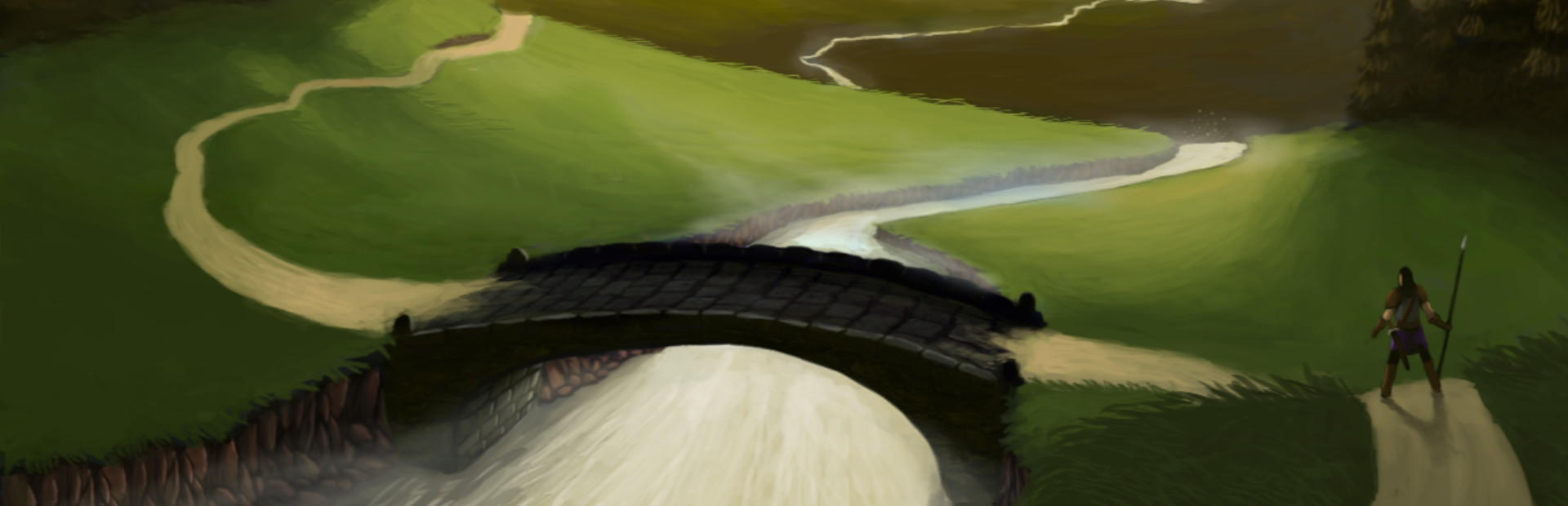
I come at Expect The Unexpected with the same checklist I bring to any strategy-RPG hybrid: how many meaningful decisions does it force per session, how well does the AI punish mistakes, and does the class system give me real build identity. The answers here are, in order: some, barely, and not quite. That said, the concept is genuinely appealing on paper, and it earns a few honest compliments before the caveats land. The structure borrows heavily from FTL: you move across a procedurally generated world map, and each new node triggers a random event drawn from a pool of over a hundred encounters. Some are simple moral choices, others pull you into faction conflicts that ripple across the run. Pick the right side early and that faction can show up to back you in combat later, which is probably the sharpest systemic hook the game offers. The five classes, Fighter, Archer, Wizard, Druid, and Necromancer, each unlock a distinct skill tree and spell set, so there is a skeleton of build identity. The Necromancer angle in particular sounds promising on paper. Party hiring adds another layer: you can recruit companions to shore up weaknesses, and a reputation system based on your accumulated choices supposedly opens or closes doors as the run progresses. Where the design falls short is at the combat layer, which is where strategy fans are going to spend most of their time. Battles play out on a tiled map where you choose a weapon or spell, move toward an enemy, and select a target. Ranged options let you avoid counterattacks, and you can swap loadouts mid-fight, which is sensible. The problem is that terrain tiles offer almost no tactical modifiers, so positioning rarely matters beyond range management. Critically, whether you win or lose a fight tends to be clear from the first turn, because the outcome tracks almost entirely with equipment quality rather than decision-making in the moment. For a genre where the joy lives in the turn-by-turn puzzle, that is a meaningful gap. Community sentiment on Steam sits around the two-thirds positive mark, which tracks: the game works and has replay pull from the random event variety, but veterans of Shiren the Wanderer, Tales of Maj'Eyal, or even FTL itself will feel the shallowness within a couple of runs. For absolute newcomers to roguelike RPGs, the argument flips somewhat. The pacing is genuinely fast, the UI stays clean, the soundtrack fits the fantasy tone well, and the event writing occasionally lands a good moment of dark comedy or faction drama. There is no impenetrable system wall between you and your first run. If you have never touched the genre and want a low-pressure on-ramp with a world-map structure that rewards route planning, this can serve that purpose without overwhelming you. Just know that the depth ceiling is low, and once you have seen the event pool cycle a few times, the procedural variety starts to feel thinner. One technical note worth flagging: the Mac version has a compatibility warning for macOS 10.15 Catalina and above, so Linux and Windows are the safer bets for current hardware.

Strategy & simulation
Tags
System Requirements
Minimum
- OS
- Vista / 7 / 8 / 10
- Memory
- 256 MB RAM
- Storage
- 210 MB available space
- Graphics
- Minimum Resolution - 1280x720, Graphics Card with at least 128MB Dedicated Memory
- Processor
- 2 GHz (32/64bits)
Keep exploring
Community Discussion
Be the first to comment on Expect The Unexpected.
Reviews & Ratings
No ratings available
Game Info
- Developer
- GoldenGod Games
- Publisher
- GoldenGod Games
- Release Date
- Dec 8, 2016