Everwarder
Tower defense with a twist that actually changes how you think about the genre: every shadow you clear is also a threat you summon, making aggression and caution equally dangerous.
GamerScout Verdict
Best for roguelite fans who want tight build decisions in short sessions, but expect the content ceiling sooner than you'd like.
Compare Prices(7 stores)
Every store in this table quotes us in euros, so the EUR figure is the price the seller actually set, not our arithmetic — which is why EUR is also the currency we rank in. We only list an offer here when the store gives us its price in euros, so nothing in this table is a number we invented.
Pick USD, PLN, GBP, CAD or AUD in the header and we convert from EUR at the European Central Bank reference rate — converted amounts are prefixed with ~. Your bank or the store may apply a different rate at checkout. We never hide offers based on where you are: everyone sees this whole table.
We may earn a commission when you buy games through links on this page — at no extra cost to you. It never affects our rankings or verdicts.
Price History
Screenshots & Media
About Everwarder
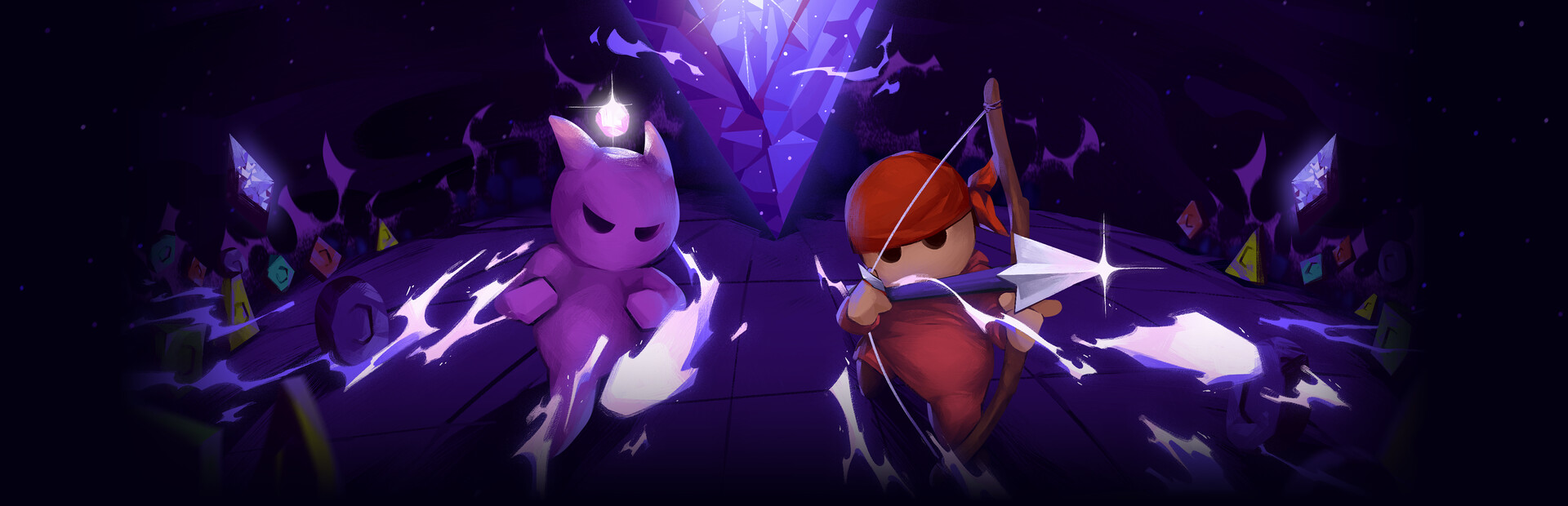
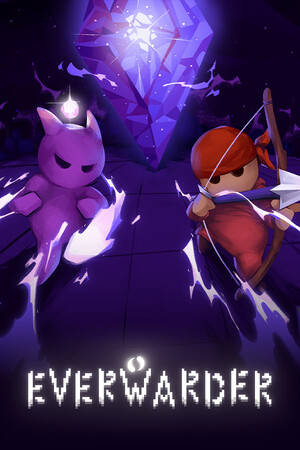
My instinct with budget-tier tower defense games is to skip the tutorial and brute-force the first level. Everwarder punished that approach inside three minutes, and I respected it immediately. This is a solo-developer roguelite TD from qLate where the core tension is not wave timing or tower placement in the traditional sense, but the rate at which you expand into a procedurally generated darkness. Clear shadow to earn dark energy, spend dark energy to place mining crystals, and watch those crystals reveal new map tiles that immediately spawn enemies. The loop sounds simple. The pacing decisions underneath it are not. What separates this from the static lane-defense pile is your freedom of movement. You float across the map as a mote of light, scouting for beacons that expand your unit-placement zone, hunting for the exit portal that triggers the run's boss fight, and chipping away at mineral-rich shadow tiles to trigger Ascension. Ascension is the build engine: collect enough minerals, choose one of three artifacts, and watch your unit types start snowballing through a colored-gem multiplier system. An artifact that adds fire rate per purple gem sounds marginal early, but units not directly buffed gain extra gems of their own, so every choice compounds across the run. That gem-and-artifact web is where the real decision-making lives, and it is genuinely more interesting than most TD upgrade trees I have seen. The patience factor is real and worth flagging for newcomers. Charging the boss portal the moment you locate it is almost always a losing play. The game rewards slower runs where you bulk up your crystal's health reserve, stack artifacts through multiple Ascensions, and let your defender units reach a tipping point before committing to the final fight. Once that rhythm clicks, runs start feeling controlled rather than chaotic. The hub-world meta-progression layer adds persistent unlocks between runs, so failed attempts still contribute rather than reset everything, which keeps the experience accessible even when a run collapses early. The honest weakness is content volume. There is a tutorial and three main procedurally generated maps, and once the meta-progression tree fills out, the variety ceiling becomes visible. Enemy types and artifact pools could both be wider, and a few players have noted that after enough runs the battlefield configurations start to feel familiar despite the procedural generation. The difficulty scaling via harder versions of existing levels helps extend the challenge curve, and global leaderboards give competitive players a reason to optimize runs, but a content update adding map variety or new unit classes would meaningfully extend the lifespan. As a solo-developer debut, the production quality is well above what the price bracket normally delivers, with fluid animations and a moody galactic color palette that makes the darkness feel genuinely threatening rather than just a grey fog-of-war. If you want a TD that respects your intelligence without demanding fifty hours of investment, Everwarder is a strong pick, particularly for players who enjoy the build-optimization side of roguelites. Just do not rush the portal.

Strategy & simulation
Tags
System Requirements
Minimum
- OS
- Windows 7+ (64bit)
- Memory
- 512 MB RAM
- DirectX
- Version 10
- Storage
- 512 MB available space
- Processor
- Core 2 Duo
Recommended
- OS
- Windows 10 (64bit)
- Memory
- 1 GB RAM
- DirectX
- Version 11
- Storage
- 512 MB available space
- Processor
- Intel i5+
Keep exploring
Community Discussion
Be the first to comment on Everwarder.
Reviews & Ratings
No ratings available
Game Info
- Developer
- qLate
- Publisher
- indie.io
- Release Date
- Feb 6, 2025