Environmental Station Alpha
A solo-crafted Metroidvania running at 160x120 pixels that somehow makes that tiny canvas feel vast, eerie, and worth every frustrating dead end.
GamerScout Verdict
Built for genre veterans who read silence as a clue and treat getting lost as half the fun - casual explorers will bounce off hard.
Compare Prices(5 stores)
Every store in this table quotes us in euros, so the EUR figure is the price the seller actually set, not our arithmetic — which is why EUR is also the currency we rank in. We only list an offer here when the store gives us its price in euros, so nothing in this table is a number we invented.
Pick USD, PLN, GBP, CAD or AUD in the header and we convert from EUR at the European Central Bank reference rate — converted amounts are prefixed with ~. Your bank or the store may apply a different rate at checkout. We never hide offers based on where you are: everyone sees this whole table.
We may earn a commission when you buy games through links on this page — at no extra cost to you. It never affects our rankings or verdicts.
Price History
Screenshots & Media
About Environmental Station Alpha
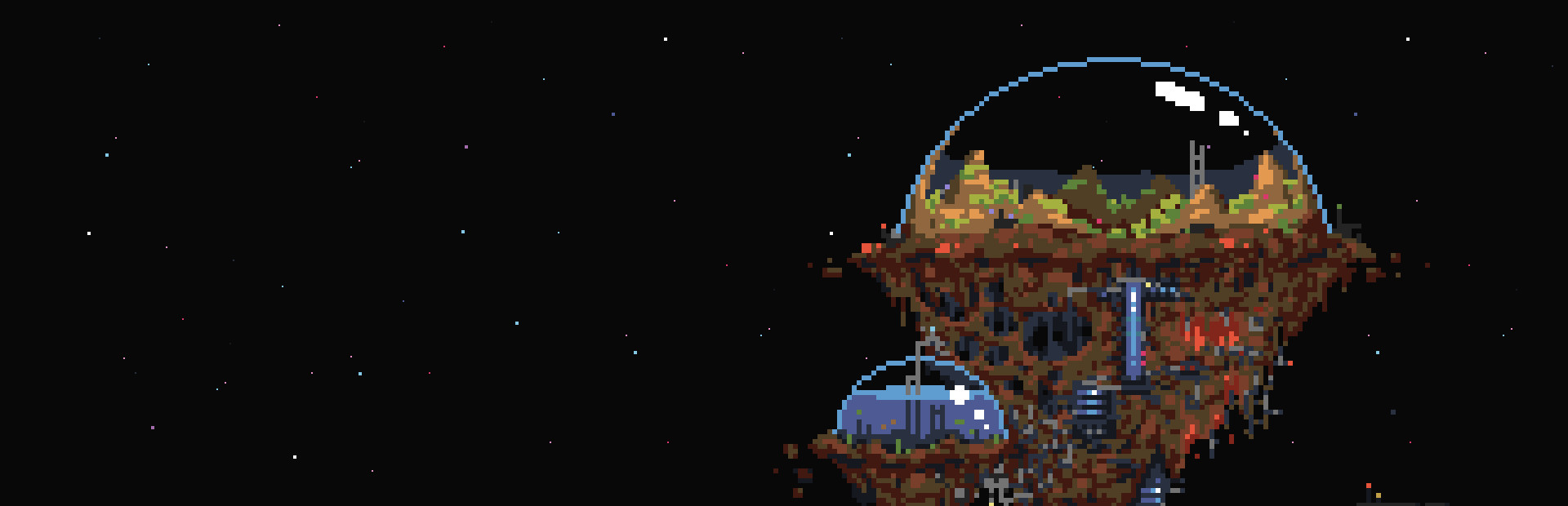
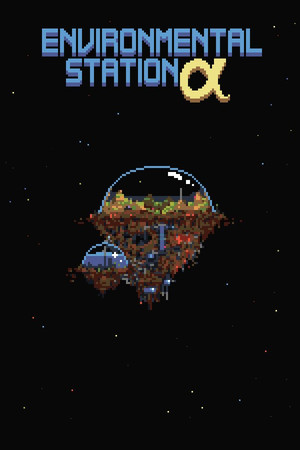
I keep coming back to Environmental Station Alpha when I want to remember why the Metroidvania genre matters at a human scale. This is a one-person project, built over three years by Arvi Teikari with music by Roope Mäkinen, and that intimacy is in every room. The native resolution is a stubborn 160x120 pixels, which sounds like a limitation until you realize Teikari uses it as a design language: readable silhouettes, clear hazard cues, foreground and background that (mostly) stay in conversation. The atmosphere is genuinely strange in a way that big-budget sci-fi rarely manages. You are a remote-controlled robot sent to investigate a bio-dome space station that went dark under circumstances that remain unexplained for a long, unsettling time. The station still has life in it. That life wants you gone. The first half of the game is a fairly traditional gate-and-key structure. You find a grappling hook, a dash boost, a double jump, and a charge shot, and the level design patiently teaches you to chain all of them until, by the late game, you are threading aerial dashes over instant-kill spikes with muscle memory you didn't notice building. Boss fights are the highlight reel here: over fifteen of them, each with a distinct personality, and the encounter design is creative enough that the straightforward combat system never feels like a shortcoming. Reviewers from Destructoid to Rock Paper Shotgun pointed to the bosses as a clear strength, and that consensus holds. The second half is where the game earns its devoted following and simultaneously loses more casual players. The station opens up aggressively. In-world computers point you toward goals, but the routing becomes genuinely non-linear, and stumbling into a boss you were meant to fight thirty minutes later is a real possibility. Navigation can turn punishing: some background and foreground elements share enough color that precision jumps become guesswork, and mandatory false-wall discovery is a design choice that the game at least telegraphs through visual cues, even if they require careful attention. Getting lost is not a bug here; it is the cost of entry. For players willing to pay that cost, the postgame is the real secret. Strange sigils, alien text you translate into English, activatable pillars, and four alternate endings that require a near-complete mapping of the station and a willingness to carry literal pen and paper. It more than doubles the content for people who want it, and it is completely ignorable for people who do not. Main story runs clock around eight to nine hours; completionists report north of twenty-five. That range is impressive for what started as a palette experiment. The soundtrack throughout earns the atmospheric tag the community has given it, drawing on the same tonal well as classic Metroid while developing its own cold, alien character. The friction is real and the pixel-readability complaints are legitimate in a few specific environments. A C++ rewrite in late 2024 cleaned up technical debt from the original Multimedia Fusion 2 build, which is worth knowing if old compatibility issues kept you away before. ESA is not for players who want waypoints and gentle nudges. It is for players who read silence as information and find genuine satisfaction in a station that slowly, reluctantly reveals what it is hiding.

Indie & narrative
Tags
System Requirements
Minimum
- OS
- Windows 7
- Memory
- 512 MB RAM
- DirectX
- Version 9.0
- Storage
- 30 MB available space
- Graphics
- NVIDIA GeForce 310M
- Processor
- Intel(R) Core(TM) i3 CPU
- Sound Card
- Realtek High Definition Audio
Keep exploring
Community Discussion
Be the first to comment on Environmental Station Alpha.
Reviews & Ratings
No ratings available
Game Info
- Developer
- Arvi Teikari
- Publisher
- Hempuli Oy
- Release Date
- Apr 22, 2015