
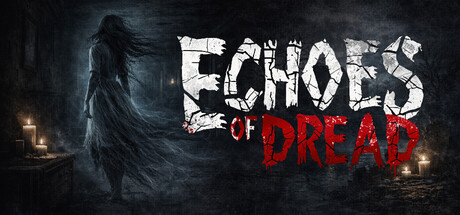
Echoes of Dread
A solo-dev mansion horror that earns its 86% Steam rating by leaning hard on atmosphere and puzzle logic - but some rough asset choices remind you exactly what budget you're in.
GamerScout Verdict
Worth it for headphone-wearing horror fans who like puzzle logic with their scares - go in knowing the art budget shows.
Compare Prices(3 stores)
Every store in this table quotes us in euros, so the EUR figure is the price the seller actually set, not our arithmetic — which is why EUR is also the currency we rank in. We only list an offer here when the store gives us its price in euros, so nothing in this table is a number we invented.
Pick USD, PLN, GBP, CAD or AUD in the header and we convert from EUR at the European Central Bank reference rate — converted amounts are prefixed with ~. Your bank or the store may apply a different rate at checkout. We never hide offers based on where you are: everyone sees this whole table.
We may earn a commission when you buy games through links on this page — at no extra cost to you. It never affects our rankings or verdicts.
Price History
Screenshots & Media
About Echoes of Dread
I went in expecting another forgettable walking-sim jump-scare factory, and Echoes of Dread surprised me enough to keep the lights off for the whole run. Reaper GS has built something that sits in a genuinely interesting space: part escape-room puzzle box, part slow-burn psychological horror, all wrapped inside a first-person mansion that feels oppressively lived-in despite its indie budget. The core loop is item collection, environmental clue-reading, and combination puzzles - think a stripped-back Resident Evil 7 without the combat, closer in spirit to something like Amnesia if Amnesia cared more about locked briefcases than running from monsters. The mansion's central gimmick is light as a fragile psychological anchor. Electricity still hums through the abandoned house, and those lit rooms offer momentary breathing room - but the game quietly questions whether the light is actually keeping you safe, or just keeping you calm. That thematic thread runs through the puzzle design too. You wake up with no memory, find a newspaper article about a family that vanished without a trace, and spend the game assembling context from environmental details: dated paintings, coded briefcases, handwritten notes. The narrative has multiple endings shaped by the choices you make while exploring, which adds a second-playthrough reason that most games at this price tier don't bother including. Where the cracks show is in the visual assets. Community feedback has been consistent on this: some paintings appear reused side by side in the same room, the antagonist entity lacks the visual menace the atmosphere has earned, and at least one pre-launch build reportedly shipped with a watermarked image still visible in-world. The developer engaged directly with early players, patched demo bugs quickly, and added quality-of-life touches like a hint button on the box puzzles and a skip option for the piano puzzle - that kind of responsiveness counts for something, and it shows in the broadly positive player reception. The puzzle design itself is generally fair, though one briefcase date-code puzzle frustrated enough early players that it became a community discussion thread topic. The sound design carries more weight than the visuals do. Creaks, distant shuffles, and the ambient dread between events do the heavy lifting that the art assets sometimes can't. If you play with headphones in a dark room, the atmosphere lands. If you play in a lit office on a Tuesday afternoon, the visual shortcomings will feel more pronounced. This is a game that rewards the conditions you create around it. At its length - a single focused session, maybe two for completionists hunting alternate endings - it does not overstay its welcome, and that discipline alone puts it ahead of plenty of indie horror releases that pad runtime with repetition.

Indie & narrative
Tags
System Requirements
Minimum
- OS
- Windows 10, Windows 11
- Memory
- 6 GB RAM
- DirectX
- Version 12
- Storage
- 5 GB available space
- Graphics
- NVIDIA GeForce GTX 650 Ti, 2 GB | AMD Radeon R7 360, 2 GB
- Processor
- Intel® Core™ i3 or AMD Ryzen™ 3
Recommended
- OS
- Windows 10, Windows 11
- Memory
- 8 GB RAM
- DirectX
- Version 12
- Storage
- 5 GB available space
- Graphics
- NVIDIA® GeForce® GTX 1060 or AMD Radeon™ RX 480
- Processor
- Intel® Core™ i5 or AMD Ryzen™ 5
Keep exploring
Community Discussion
Be the first to comment on Echoes of Dread.
Reviews & Ratings
No ratings available
Game Info
- Developer
- Reaper GS
- Publisher
- Kazakov Studios
- Release Date
- Nov 15, 2024