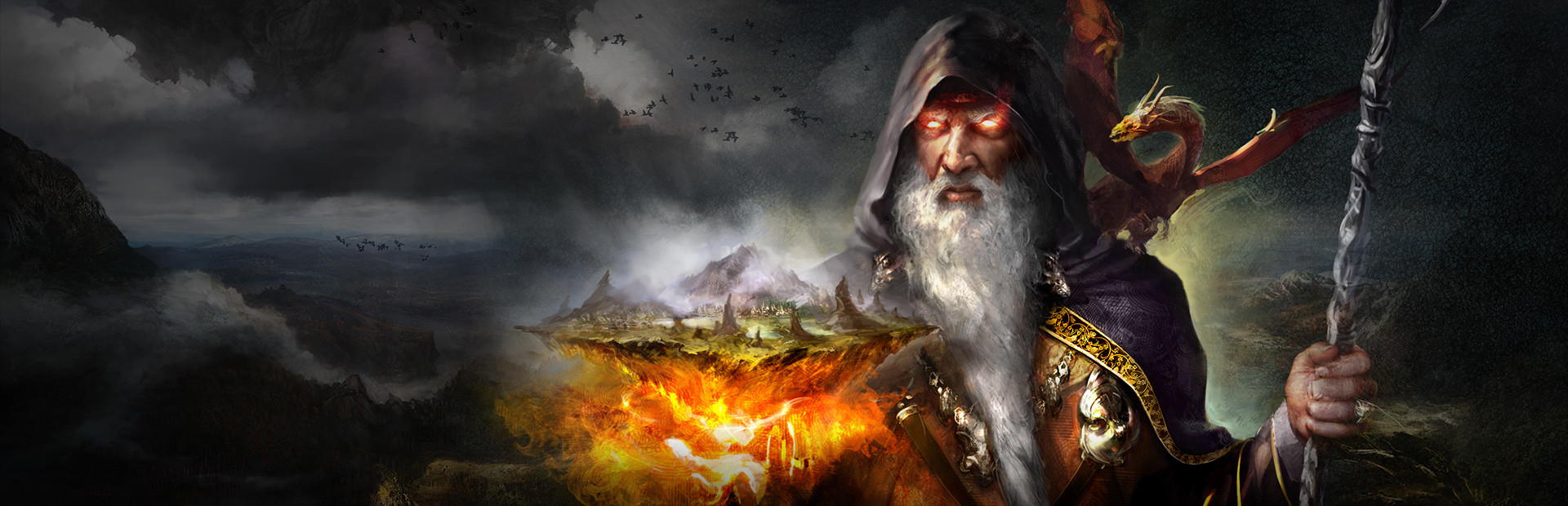
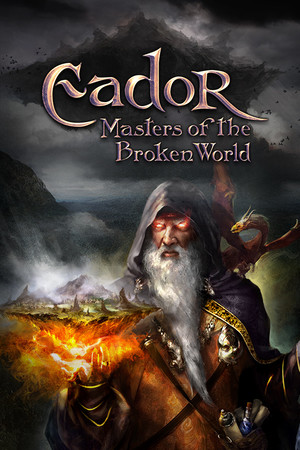
Eador. Masters of the Broken World
Sprawling turn-based strategy that layers hex-tile conquest, hero RPG progression, and stronghold management into one deeply ambitious package - rough edges and all.
GamerScout Verdict
Worth it for dedicated TBS fans who can stomach a cumbersome UI and will actually read the building prerequisites before clicking.
Compare Prices(4 stores)
Every store in this table quotes us in euros, so the EUR figure is the price the seller actually set, not our arithmetic — which is why EUR is also the currency we rank in. We only list an offer here when the store gives us its price in euros, so nothing in this table is a number we invented.
Pick USD, PLN, GBP, CAD or AUD in the header and we convert from EUR at the European Central Bank reference rate — converted amounts are prefixed with ~. Your bank or the store may apply a different rate at checkout. We never hide offers based on where you are: everyone sees this whole table.
We may earn a commission when you buy games through links on this page — at no extra cost to you. It never affects our rankings or verdicts.
Price History
Screenshots & Media
About Eador. Masters of the Broken World
I have spent more hours than I care to admit watching my carefully leveled scout archer carry the entire weight of a shard campaign while my supporting troops dissolved on contact with a group of centaurs. That friction is, paradoxically, what kept me coming back. Eador: Masters of the Broken World is a turn-based strategy title that stacks five distinct gameplay layers on top of each other: a top-level astral map where you pick shards to conquer, a Civilization-style hex overworld for each shard, tactical grid combat on a separate battlefield, a stronghold building tree, and hero-plus-unit RPG progression threading through all of it. Every one of those layers has real mechanical weight, and the decisions you make in one ripple visibly into the others. The core structure should feel familiar to anyone who has put serious time into Heroes of Might and Magic or Master of Magic. You recruit a hero, assign them a small warband, and expand hex by hex across a shard, uncovering ruins, triggering random encounters, and managing a castle build queue back at your stronghold. Buildings have prerequisites and mutual exclusions baked into the tech tree, so your construction choices genuinely constrain your options fifteen turns down the road. The hero classes are varied enough that replaying a shard with a necromancer feels meaningfully different from running it with a combat-focused warlord. Karma, earned through the moral choices you make on each shard, carries forward to the astral campaign level and affects how rival Masters react to you - which means roleplay decisions have actual strategic consequence, not just cosmetic flavor. The AI is competent enough to punish split attention and will correctly target your weaker units, which is more than many genre contemporaries can claim. That said, the friction is real and not all of it is the good kind. The interface is genuinely cumbersome: the stronghold build screen buries its dependency logic, the tactical map punishes accidental clicks, and the combat feedback - animations that seem to resolve before they play, missing sound cues on certain attacks - routinely makes you second-guess what actually happened. The early campaign shards are restricted in units and buildings by design, which means you go through a repetitive ramp-up phase every single time you start a new shard. Veterans on community forums often recommend skipping the main campaign entirely and loading a large custom shard for your first dozen hours, which is genuinely good advice. The game released with severe bugs at launch in 2013 - karma progression breakage, hard crashes, stuck units - and while patches addressed many of them, lingering instability has followed the title through its life. Back up your saves frequently, and do not trust the autoresolve button. For the player willing to work past the UI hostility, the payoff is a campaign of extraordinary length and layered decision-making that few games at this budget tier have matched. Twelve different endings depending on your karma and conquest choices, a roster of rival Masters each with their own personalities and backstories, and shard maps that vary enough in modifier combinations - sparse populations here, barbarian hordes there - that your tactical approach genuinely shifts between runs. It is not a beginner-friendly game on its surface, but it is actually a reasonable entry point for the genre if you are methodical: the shard structure gives you natural stopping points, the scale never balloons to Paradox grand-strategy size in a single session, and each shard is a self-contained lesson in the mechanics before the next one raises the difficulty. Treat the first two shards as a tutorial the game refuses to call a tutorial, and the systems start to click. At a Metacritic score of 74 and a community that remains small but fiercely loyal, this one lands in the category of games the algorithm never surfaces but dedicated genre fans quietly recommend to each other. Hot Seat multiplayer exists for two-player sessions, and online multiplayer is technically present though the population makes finding a match unreliable at this point in the game's life. If you are the kind of player who keeps a spreadsheet of hero build paths and reads building prerequisites before committing to a castle layout, Eador has more depth than its modest presentation suggests. Everyone else should start with a custom shard, not the campaign.

Strategy & simulation
Tags
System Requirements
Minimum
- OS
- Microsoft® Windows® XP SP2 / Vista / 7
- Sound
- DirectX® compatible
- Memory
- 2 GB RAM
- Graphics
- GeForce 7300/Radeon 9200
- DirectX®
- 9.0c
- Processor
- Intel® Pentium 2,0 GHz/AMD 2000+
- Hard Drive
- 2 GB HD space
Recommended
- OS
- Microsoft® Windows® XP SP2 / Vista / 7
- Sound
- DirectX® compatible
- Memory
- 4 GB RAM
- Graphics
- GeForce 8800/Radeon X1900
- DirectX®
- 9.0c
- Processor
- Intel® Core 2 Duo 1.6/AMD 3000+
- Hard Drive
- 4 GB HD space
Keep exploring
Community Discussion
Be the first to comment on Eador. Masters of the Broken World.
Reviews & Ratings
Game Info
- Developer
- Snowbird Games
- Publisher
- Snowbird Games
- Release Date
- Apr 19, 2013