DUNGEONS OF CHAOS
Eighty-plus hours of old-school dungeon crawling built by one person, for people who still mourn the Ultima series and aren't scared of a UI that demands patience.
GamerScout Verdict
Built for players who remember when open-world meant genuinely empty and loved it anyway.
Compare Prices(3 stores)
Every store in this table quotes us in euros, so the EUR figure is the price the seller actually set, not our arithmetic — which is why EUR is also the currency we rank in. We only list an offer here when the store gives us its price in euros, so nothing in this table is a number we invented.
Pick USD, PLN, GBP, CAD or AUD in the header and we convert from EUR at the European Central Bank reference rate — converted amounts are prefixed with ~. Your bank or the store may apply a different rate at checkout. We never hide offers based on where you are: everyone sees this whole table.
We may earn a commission when you buy games through links on this page — at no extra cost to you. It never affects our rankings or verdicts.
Price History
Screenshots & Media
About DUNGEONS OF CHAOS
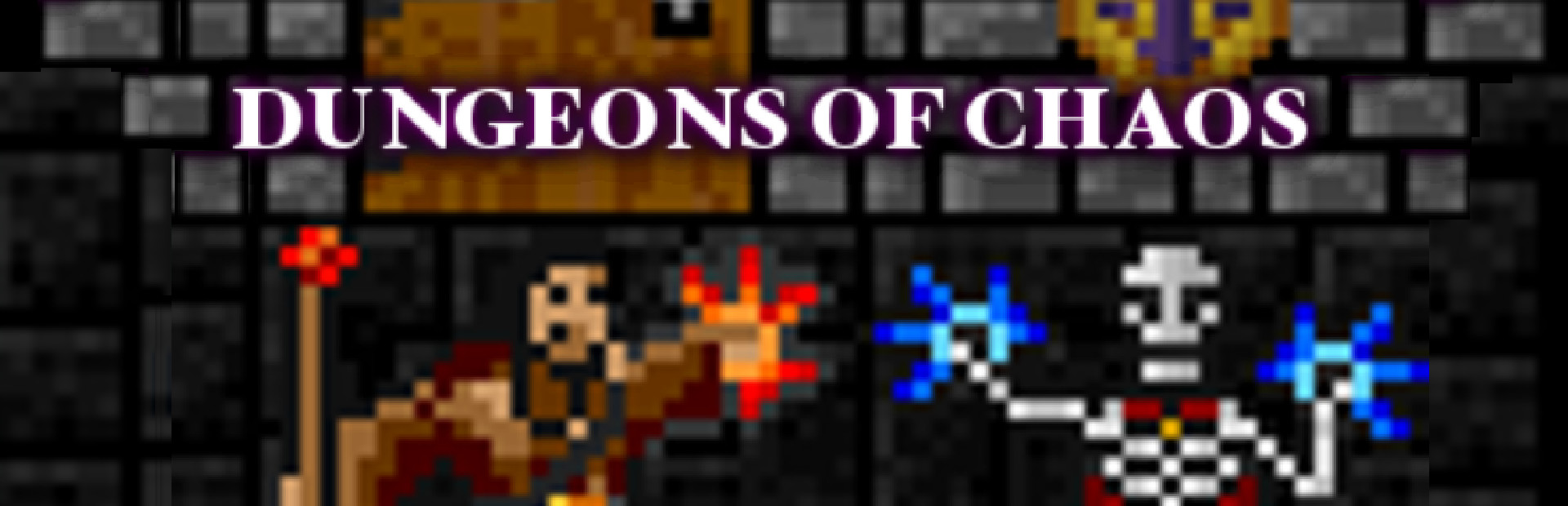
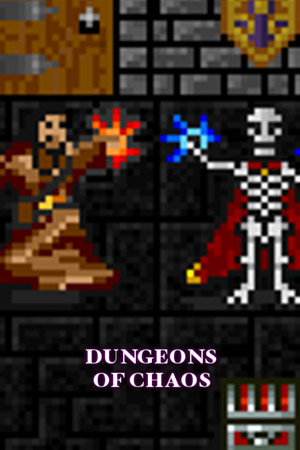
I keep a shortlist of solo-dev RPGs that punch well above their production weight, and Dungeons of Chaos earns its place on it through sheer, stubborn sincerity. Volker Elzner set out to rebuild the kind of game that shaped him, the tile-based, turn-based, exploration-first RPGs of the early eighties, and the result is something that feels less like a nostalgia cash-in and more like a letter written to a genre that the mainstream abandoned. The pixel art is modest by modern standards, but it carries atmosphere in the way that sparse art often does: your imagination fills in the gaps, and the gaps are generously sized. The structure will feel immediately familiar if you ever lost weekends to the early Ultima or Might and Magic games. You assemble a party of six characters from nine starter classes, choosing between specialists like the Barbarian (pure melee, rage-and-bash, no ranged options at all) and hybrids like the Monk or Druid, who can pivot between roles depending on how you develop them. The Rogue backstabs flanked enemies, poisons weapons, and can eventually join the assassin's guild to become a teleporting damage dealer that surprises you every time. The Cleric feels underwhelming for most of Chapter 1, then becomes indispensable in late boss fights where no other class can keep a heavily-buffed tank alive. Class advancement happens once per character, generally, and the weight of that decision is real, which is either appealing or anxiety-inducing depending on your relationship with commitment. Flanking matters in combat, support spells shift the math on encounters that look unwinnable, and higher difficulty settings unlock better loot while making enemy abilities genuinely dangerous rather than just stat-inflated. Honesty requires flagging the friction points. The UI carries DNA from the mobile version the game started on, and while it is workable on PC, it does not feel native. Combat encounters share a similar rhythm, with parties moving tile by tile toward enemies, and reviewers across the board have noted that the repetition becomes noticeable across a playthrough of this length. The overworld spends long stretches feeling empty, which is authentic to the genre but requires a particular temperament to appreciate rather than resent. The story and NPC dialogue are functional rather than memorable, and the writing does not try to be an Ultima in that regard. Some dungeons have been described as genuinely tedious, and a rare game-ending bug has surfaced in at least one documented playthrough, so saving often is less optional advice and more survival instinct. What holds Dungeons of Chaos together is the same thing that held those eighties classics together: the world is large, discoveries are spaced far enough apart to feel earned, and the mechanical decisions around party composition and class advancement carry real weight over eighty-plus hours. The community that formed around the game, including an active fan wiki and build guides that go deep into level-up rotations and stat optimization, is a reliable sign that the people who clicked with this game clicked hard. Elzner also kept updating and expanding the game well after launch, adding Zomok's Arena with seven challenges across multiple boss waves, new combo bosses, and post-Kickstarter content in Chapter 3. That kind of continued investment in a sub-five-dollar title is worth noting. This is not a game for everyone, and it knows that. If your tolerance for old-school pacing is low, or you need a narrative with real choices and world-building philosophy, there are better options. But if the Ultima comparisons above made something in your chest quietly light up, Dungeons of Chaos is the real thing, built with care by someone who genuinely missed it.

Indie & narrative
Tags
System Requirements
Minimum
- OS
- Windows XP SP2+
- Memory
- 1 GB RAM
- DirectX
- Version 9.0
- Storage
- 200 MB available space
Recommended
- OS
- Windows 7+
- Memory
- 2 GB RAM
- DirectX
- Version 11
- Storage
- 300 MB available space
Keep exploring
Community Discussion
Be the first to comment on DUNGEONS OF CHAOS.
Reviews & Ratings
No ratings available
Game Info
- Developer
- Volker Elzner
- Publisher
- Volker Elzner
- Release Date
- Sep 15, 2017