Dreamfall: The Longest Journey
Funcom's haunting middle chapter earns its place on any narrative-adventure shelf, but walk in knowing the combat is an embarrassment and the ending will leave you hanging off a cliff with no rope in sight.
GamerScout Verdict
Essential for narrative-adventure devotees willing to forgive clunky combat and a story that refuses to close its own loop.
Compare Prices(7 stores)
Every store in this table quotes us in euros, so the EUR figure is the price the seller actually set, not our arithmetic — which is why EUR is also the currency we rank in. We only list an offer here when the store gives us its price in euros, so nothing in this table is a number we invented.
Pick USD, PLN, GBP, CAD or AUD in the header and we convert from EUR at the European Central Bank reference rate — converted amounts are prefixed with ~. Your bank or the store may apply a different rate at checkout. We never hide offers based on where you are: everyone sees this whole table.
We may earn a commission when you buy games through links on this page — at no extra cost to you. It never affects our rankings or verdicts.
Price History
Screenshots & Media
About Dreamfall: The Longest Journey
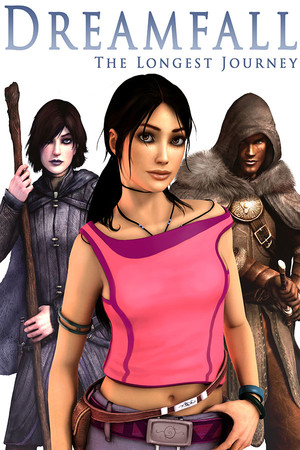
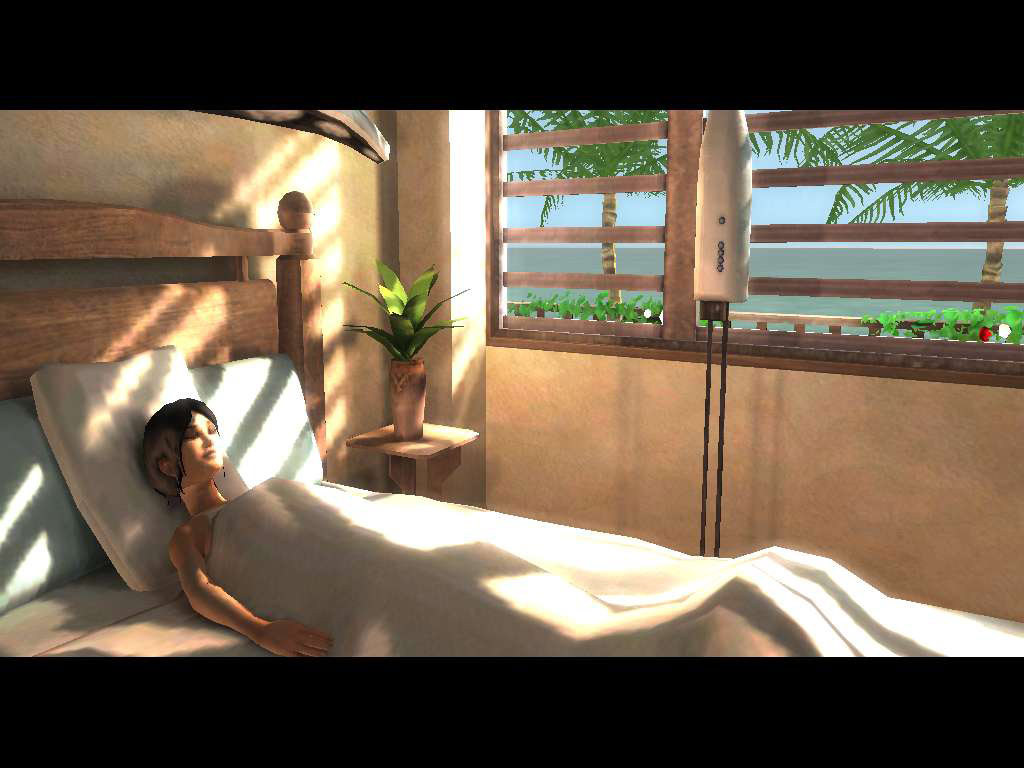
I have a complicated relationship with Dreamfall. It sits in that frustrating category of games that are almost extraordinary - the kind where the writing grabs you by the collar in chapter three and does not let go, but the designers also inexplicably bolted on a combat system so sluggish and unrewarding that it borders on self-sabotage. Let me be specific: you play across three characters - Zoë Castillo, the returning April Ryan, and Kian Alvane - each moving through the twin worlds of technology-driven Stark and magic-soaked Arcadia. Zoë anchors most of the runtime, and her arc from directionless college dropout to reluctant participant in a world-spanning conspiracy is genuinely compelling once it gets traction, even if she lacks the sharp wit April brought to the original game. The shift from point-and-click to third-person 3D is a double-edged move. On the upside, environments like a future Casablanca, the sci-fi sprawl of Japan, and the industrial ruins of St. Petersburg are atmospheric and detailed in ways that a static background would have muffled. On the downside, the camera fights you at inopportune moments, and the cone-of-interaction system for picking up objects requires fussy repositioning that will test your patience. The puzzle design swung hard in the direction of accessibility - lock-picking and hacking puzzles amount to matching glyphs against a timer, and most item combinations are so obvious that the game practically solves them for you. Fans of the original who enjoyed genuinely taxing brain-teasers will feel the absence keenly. The combat is the elephant in every room. Each of the three playable characters can punch, block, and dodge, but the animations are stiff, the AI loops through patterns, and the whole system feels grafted on as an afterthought rather than designed with any conviction. Stealth sections are more forgivable - sneaking past a sentry robot or evading soldiers in a laboratory at least fits the pacing - but neither mechanic adds much to a game that would have been better served by cutting both and investing that development time in the final act, which visibly runs out of steam. The last third collapses into mostly cutscenes, with Kian's and April's threads in particular ending so abruptly that you can almost see the "to be continued" placeholder where resolution should be. And yet. The writing in the stretches where Dreamfall trusts its story is genuinely good. The dialogue between characters carries real weight, the world-building around corporate power, religious fanaticism, and the slow erasure of magic from a rationalised society is thought-provoking, and the voice cast - despite some inconsistencies - sells most of it. The score is beautiful, the interconnecting plot threads among Zoë, April, and Kian pay off in a late-game prison sequence that is the dramatic high point of the whole experience. The cliffhanger ending is real and unresolved within this game; the continuation exists in Dreamfall Chapters, so if you are coming in cold, be aware you are signing up for a story told across two separate releases. For narrative-adventure fans who can tolerate minimal mechanical challenge and are willing to accept an open ending, this is still worth the runtime - roughly 10 to 15 hours depending on pace. Go in after playing The Longest Journey if at all possible; the emotional weight of seeing April Ryan's changed circumstances lands much harder with that context. Do not go in expecting build variety, meaningful combat, or dialogue choices that branch in significant ways. This is interactive storytelling with a few awkward gameplay seams, and it works best when you treat it accordingly.

RPGs
Tags
System Requirements
Minimum
- OS
- Windows XP (with service pack 2) only
- Sound
- DirectX 9.0c compatible sound
- Memory
- 512 MB RAM
- Graphics
- 3D Hardware Accelerator Card Required: 100% DirectX 9.0c compatible 128 MB with latest drivers.
- Processor
- Intel Pentium 4 1.6 GHz or AMD Sempron 2800+ or higher required. Intel Pentium 4 2.5 GHz or AMD Athlon XP 3500+ Recommended
- Hard Drive
- 7 GB free disk space
Keep exploring
Community Discussion
Be the first to comment on Dreamfall: The Longest Journey.
Reviews & Ratings
Game Info
- Developer
- Funcom
- Publisher
- Funcom
- Release Date
- Jan 12, 2007