DragonStrike
A 1990 dragon-combat flight sim preserved and re-released by SNEG: tight mission structure, genuine aerial tactics, and D&D lore that actually shows up in the mechanics rather than just the box art.
GamerScout Verdict
Worth the asking price for Dragonlance fans and DOS history completionists; casual players should calibrate expectations for 1990 design constraints.
Compare Prices(3 stores)
Every store in this table quotes us in euros, so the EUR figure is the price the seller actually set, not our arithmetic — which is why EUR is also the currency we rank in. We only list an offer here when the store gives us its price in euros, so nothing in this table is a number we invented.
Pick USD, PLN, GBP, CAD or AUD in the header and we convert from EUR at the European Central Bank reference rate — converted amounts are prefixed with ~. Your bank or the store may apply a different rate at checkout. We never hide offers based on where you are: everyone sees this whole table.
We may earn a commission when you buy games through links on this page — at no extra cost to you. It never affects our rankings or verdicts.
Price History
Screenshots & Media
About DragonStrike
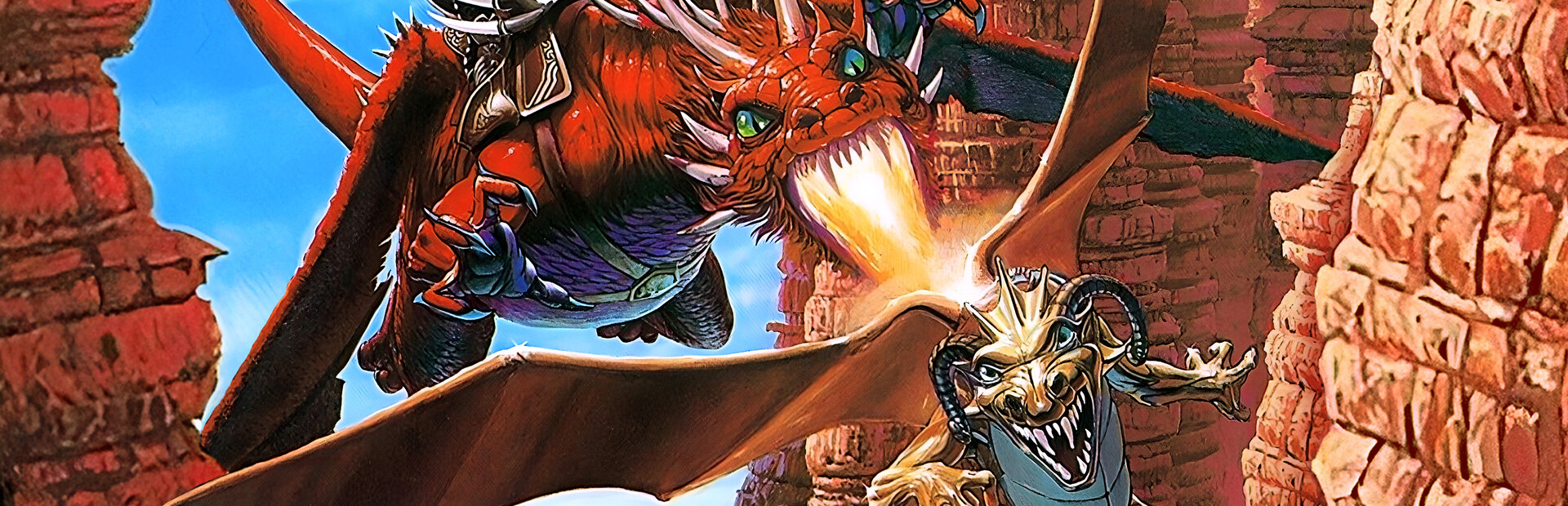
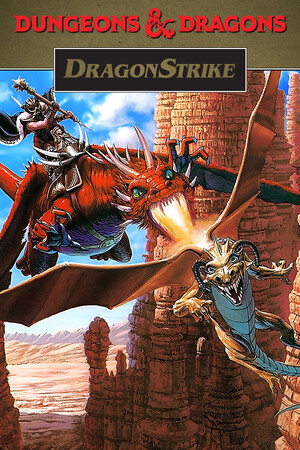
My instinct with any re-released DOS-era game is to check whether the core loop holds up independent of nostalgia, and DragonStrike mostly clears that bar. You ride a metallic dragon as a Knight of Solamnia across 22 missions set during the Dragonlance War of the Lance on Krynn, working your way up through three orders of Solamnic Knighthood while unlocking progressively more powerful mounts. The progression from bronze to silver to gold dragon is not just cosmetic, the upgrades meaningfully change your combat options and survivability, which gives the campaign a pacing logic that many action games from the same era lacked entirely. The attack system is the most interesting thing here from a tactical standpoint. Your dragon carries a recharging breath weapon, claw and bite attacks for close passes, and you personally wield a dragonlance that can be aimed independently of your mount's heading. Enemies are not uniform: manticores, wyverns, sivak draconians, gas spores, and chromatic dragons all behave differently, and the chromatic enemy roster pulls directly from AD&D second edition rules, so white dragons breathe frost, blues throw lightning, reds use fire. Flying altitude is also a live decision, not decoration: ground troops can only be targeted from low passes, which simultaneously exposes you to arrow fire from below. That interplay between altitude, speed, and attack selection is what separates DragonStrike from a simple score-chaser. The magic radar orb, a crystal sphere that acts as a primitive threat display, was genuinely clever for 1990 and stops the game from feeling completely blind in the larger mission areas. Now for the honest limitations, and there are some you need to know before buying. The flight model is simplified to the point where the physics are more suggestion than simulation. Narrow canyon sections in later missions become genuinely punishing because the controls do not give you enough responsiveness to thread tight corridors cleanly, and health does not fully restore between missions, meaning a rough mid-campaign run can compound into a near-impossible late stage. The production window size on screen is small by modern expectations, a deliberate design compromise made to support hardware as low-end as a Commodore 64, and the wireframe terrain looks exactly as dated as you expect from 1990 polygon rendering. None of this is a surprise, but buyers expecting a remaster rather than a preservation will be disappointed. What SNEG has released is the original, intact. For Dragonlance fans specifically, the lore fidelity is worth calling out. The War of the Lance backdrop, the metallic dragon pact broken by the corruption of dragon eggs into draconians, the Solamnic Knight rank structure, the final confrontation framing: all of it lines up with the source novels. This is not a licensed skin over a generic shooter. The setting informs the objective types, the enemy roster, and even the upgrade logic. If you read the Weis and Hickman novels at any point in your life, that context adds meaningful texture to missions that would otherwise be just waypoints. As a strategy-sim player I value decision density, and DragonStrike delivers that in short controlled bursts rather than long sessions. Each mission is tight enough to replay when you make a bad altitude call or burn your breath weapon early. The branching mission ladder, where choosing to advance in knighthood rank locks you into a different set of missions, adds modest replayability without overwhelming scope. It is not a deep simulation, but it is a purposeful one, and at a sub-five-dollar price point the math is straightforward for anyone curious about pre-Command and Conquer Westwood or the Dragonlance game history.

Strategy & simulation
Tags
System Requirements
Minimum
- OS
- Windows 7 or later
- Memory
- 512 MB RAM
- DirectX
- Version 7.0
- Storage
- 2 GB available space
- Graphics
- 3D graphics card compatible with DirectX 7
- Processor
- 1.8 GHz
Recommended
- OS
- Windows 10 / 11
- Memory
- 512 MB RAM
- DirectX
- Version 9.0
- Storage
- 2 GB available space
- Graphics
- 3D graphics card compatible with DirectX 9
- Processor
- 1.8 GHz
Keep exploring
Community Discussion
Be the first to comment on DragonStrike.
Reviews & Ratings
No ratings available
Game Info
- Developer
- Westwood Associates
- Publisher
- SNEG
- Release Date
- Mar 27, 2023