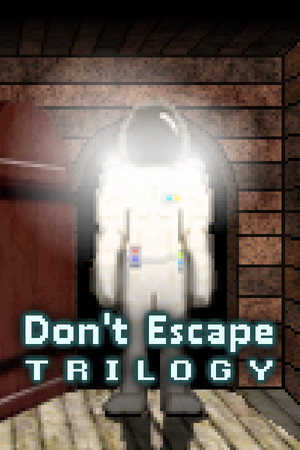
Don't Escape Trilogy
Three micro horror adventures that flip the escape-room formula on its head: your job is to lock something in, not get yourself out. Compact, clever, and quietly unsettling.
GamerScout Verdict
Best for mood-driven puzzle fans who want two focused, atmospheric hours rather than a padded open world.
Compare Prices(3 stores)
Every store in this table quotes us in euros, so the EUR figure is the price the seller actually set, not our arithmetic — which is why EUR is also the currency we rank in. We only list an offer here when the store gives us its price in euros, so nothing in this table is a number we invented.
Pick USD, PLN, GBP, CAD or AUD in the header and we convert from EUR at the European Central Bank reference rate — converted amounts are prefixed with ~. Your bank or the store may apply a different rate at checkout. We never hide offers based on where you are: everyone sees this whole table.
We may earn a commission when you buy games through links on this page — at no extra cost to you. It never affects our rankings or verdicts.
Price History
Screenshots & Media
About Don't Escape Trilogy
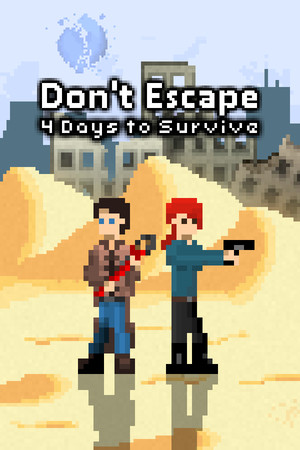
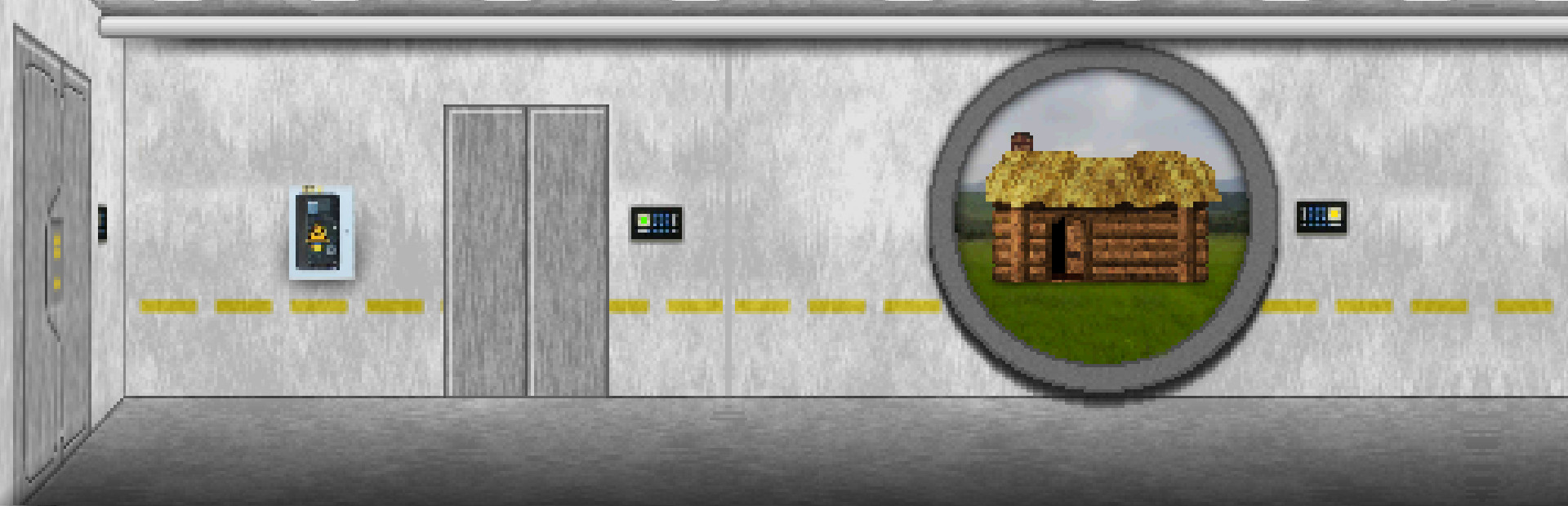
I have a soft spot for games that were born out of constraint. The first Don't Escape was made during a game-jam month while scriptwelder was working with a broken arm, and that scrappy, inventive spirit bleeds through every pixel of all three entries. The core concept arrived when the developer wanted to subvert the tired escape-room template and asked a simple question: what if the danger is you? That one idea branches into three completely separate stories with nothing shared but the genre inversion and a willingness to sit in dread. The mechanics across the trilogy rest on inventory-based puzzles played out across static, first-person screens. You explore a handful of rooms, pick up items, combine them, and spend an in-game time budget to fortify your surroundings before something terrible happens at nightfall. Entry one puts you in a remote woodland cabin as a werewolf who must chain himself up, barricade every door, nail shut every window, and even brew a potion to weaken himself before the full moon rises. Every action drains your available time, so prioritising matters. The outcome is graded by how many precautions you actually complete, meaning a perfect playthrough requires genuine lateral thinking about what to spend your minutes on. Entry two expands the scope considerably, adding a companion, more screens to explore, and zombie-horde fortification mechanics that reward completionists willing to replay for optimal barricades. Entry three leans furthest into conventional adventure territory, swapping the preparation loop for logbook-driven mystery aboard a drifting spaceship, with soft jump scares and a plot that builds atmosphere more than it surprises. Each chapter is honest about how short it is. You are looking at a couple of hours total, maybe three if you hunt every outcome. That brevity is not a flaw. Scriptwelder clearly understands that a ten-minute tension arc hits harder than a padded one, and neither entry outstays its welcome. The pixel art is simple but deliberate, the kind of simplicity that trusts negative space to do the scary work. The sound design carries even more weight: ambient hum, a single chord that rises before something moves on screen, silence used as punctuation. These small games know that sound is half the horror. The honest caveats: there is occasional pixel-hunting in the first entry that reads less as puzzle design and more as accident, and entry three tightens the time budget in ways some players find punishing rather than motivating. The collection also contains no new content from the original free web releases, so returning Flash-era players are paying for preservation and convenience more than novelty. Steam reviews sit at 99% positive across nearly 700 ratings, which is remarkable for a package this quiet and unhyped. If you are the kind of player who will sit still for a two-hour mood piece, who appreciates when a developer respects your time enough to give you a tight, handcrafted thing instead of a bloated one, this trilogy will stay with you longer than games ten times its size. Start with the lights off and the volume up.

Indie & narrative
Tags
System Requirements
Minimum
- OS
- Windows XP SP2, Windows Vista, Windows 7, 8, 10
- Memory
- 500 MB RAM
- Storage
- 200 MB available space
- Graphics
- supporting DX9 (shader model 3.0)
- Processor
- Dual Core 1.4 GHz
Keep exploring
Community Discussion
Be the first to comment on Don't Escape Trilogy.
Reviews & Ratings
No ratings available
Game Info
- Developer
- scriptwelder
- Publisher
- Armor Games Studios
- Release Date
- Jul 29, 2019