Compare Disciples II: Rise of the Elves prices across trusted key stores and find the best deal. Developed by Strategy First. Published by Strategy First. Released on 7/6/2006. Available on PC. Genres: Strategy. Metacritic score: 80/100.

If HoMM ever felt too forgiving with its army losses, Disciples II's permadeath squad system and five-faction war will recalibrate your threat assessment fast, and this is the definitive edition to start with.

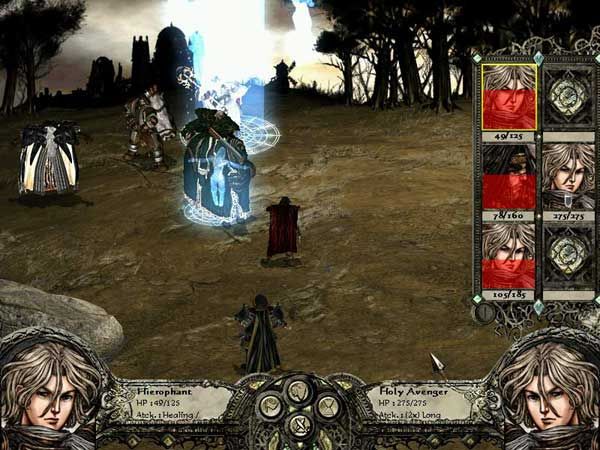
My spreadsheet instincts fired up the moment I realized that every decision in Disciples II is load-bearing. Army composition for a six-unit squad is not flavor, it determines whether your carefully leveled Theurgist survives to shatter armor on the next map, or gets wiped and stays wiped. That permadeath-adjacent design, where fallen units are gone for good and heroes carry over between missions, creates a tension that most modern turn-based strategy titles have abandoned in favor of infinite respawns. It is punishing, it is deliberate, and for players who want their choices to matter past the end of a single skirmish, it remains quietly compelling two decades after release. The core loop sits somewhere between Heroes of Might and Magic and Ogre Battle. You manage a capital city, build structures to unlock unit upgrade paths, generate gold from territorial control, and push hero-led squads across detailed hex-adjacent maps. Combat itself looks simple on paper, each unit type performs one action per round, whether that is a ranged volley, a healing ward, or an armor-shattering mage blast, but the squad-building layer underneath is where the real decisions live. The Elven Alliance, the faction introduced in this release, splits further into Noble and Wild upgrade branches, each producing meaningfully different rosters. Nobles lean on ward-granting healers and high-initiative archers like the Marauder; the Wild branch produces scrappier, faster units more suited to aggressive harassment. Neither branch is a freebie: the Elves trade raw durability for speed and ranged pressure, which means positioning your six slots wrong against a Legion of the Damned frontline is a tutorial in regret. The game also introduces Grove mana as a fifth mana type exclusive to Elven spellcasting, on top of the existing life, runic, death, and infernal resources, which adds another resource-tracking layer veterans will appreciate. For a newcomer to the series, the good news is that Rise of the Elves ships with the full base game and all five playable factions, Empire, Mountain Clans, Undead Hordes, Legions of the Damned, and the new Elven Alliance, plus over 200 unit types, more than 100 spells, and 14 skirmish maps alongside the campaign scenarios. The bad news is that the tutorial does not hold your hand through the capital-building implications of each structure choice, and the hit-chance system means you can execute a flawless tactical plan and still watch a key unit miss a dragon twice. That RNG friction is a real complaint from the community and worth knowing upfront. A scenario editor and multiplayer modes extend the shelf life considerably, and the mod ecosystem, particularly active among Eastern European players, has produced balance fixes and widescreen patches that address some of the game's compatibility rough edges on modern hardware. Critically, this holds up as the best entry point in the Disciples II lineup. The previous standalone expansions were largely reruns; this one added something structural. The AI plays predictably at higher difficulties rather than cleverly, which long-term veterans will clock within a few campaigns, but the faction variety and the branching upgrade trees generate enough replay variation to keep the mid-game interesting across multiple runs. The art direction, dark and hand-painted with a Norse-inflected mythology, still reads well. The music is atmospheric enough that players consistently single it out as a reason to keep playing past midnight. It is not the deepest strategy on the market by 2006 release standards, and it certainly is not by today's, but the decision density per session is higher than its stripped-back interface suggests. Diego, Scout Team

Disciples II: Rise of the Elves

Disciples II: Rise of the Elves

Jul 6, 2006Strategy First
GamerScout Says

If HoMM ever felt too forgiving with its army losses, Disciples II's permadeath squad system and five-faction war will recalibrate your threat assessment fast, and this is the definitive edition to start with.

PC
Steam Deck UnsupportedProtonDB Gold
Best Price Available
€0.00
at N/A

GamerScout Verdict

Best for dark fantasy TBS fans who want meaningful army decisions and can tolerate a blunt RNG and a predictable AI at high difficulty.

Compare Prices(0 stores)

Loading prices...

We may earn a commission when you buy games through links on this page — at no extra cost to you. It never affects our rankings or verdicts.

Screenshots & Media

Screenshot

About Disciples II: Rise of the Elves

My spreadsheet instincts fired up the moment I realized that every decision in Disciples II is load-bearing. Army composition for a six-unit squad is not flavor, it determines whether your carefully leveled Theurgist survives to shatter armor on the next map, or gets wiped and stays wiped. That permadeath-adjacent design, where fallen units are gone for good and heroes carry over between missions, creates a tension that most modern turn-based strategy titles have abandoned in favor of infinite respawns. It is punishing, it is deliberate, and for players who want their choices to matter past the end of a single skirmish, it remains quietly compelling two decades after release. The core loop sits somewhere between Heroes of Might and Magic and Ogre Battle. You manage a capital city, build structures to unlock unit upgrade paths, generate gold from territorial control, and push hero-led squads across detailed hex-adjacent maps. Combat itself looks simple on paper, each unit type performs one action per round, whether that is a ranged volley, a healing ward, or an armor-shattering mage blast, but the squad-building layer underneath is where the real decisions live. The Elven Alliance, the faction introduced in this release, splits further into Noble and Wild upgrade branches, each producing meaningfully different rosters. Nobles lean on ward-granting healers and high-initiative archers like the Marauder; the Wild branch produces scrappier, faster units more suited to aggressive harassment. Neither branch is a freebie: the Elves trade raw durability for speed and ranged pressure, which means positioning your six slots wrong against a Legion of the Damned frontline is a tutorial in regret. The game also introduces Grove mana as a fifth mana type exclusive to Elven spellcasting, on top of the existing life, runic, death, and infernal resources, which adds another resource-tracking layer veterans will appreciate. For a newcomer to the series, the good news is that Rise of the Elves ships with the full base game and all five playable factions, Empire, Mountain Clans, Undead Hordes, Legions of the Damned, and the new Elven Alliance, plus over 200 unit types, more than 100 spells, and 14 skirmish maps alongside the campaign scenarios. The bad news is that the tutorial does not hold your hand through the capital-building implications of each structure choice, and the hit-chance system means you can execute a flawless tactical plan and still watch a key unit miss a dragon twice. That RNG friction is a real complaint from the community and worth knowing upfront. A scenario editor and multiplayer modes extend the shelf life considerably, and the mod ecosystem, particularly active among Eastern European players, has produced balance fixes and widescreen patches that address some of the game's compatibility rough edges on modern hardware. Critically, this holds up as the best entry point in the Disciples II lineup. The previous standalone expansions were largely reruns; this one added something structural. The AI plays predictably at higher difficulties rather than cleverly, which long-term veterans will clock within a few campaigns, but the faction variety and the branching upgrade trees generate enough replay variation to keep the mid-game interesting across multiple runs. The art direction, dark and hand-painted with a Norse-inflected mythology, still reads well. The music is atmospheric enough that players consistently single it out as a reason to keep playing past midnight. It is not the deepest strategy on the market by 2006 release standards, and it certainly is not by today's, but the decision density per session is higher than its stripped-back interface suggests.

Diego
Diego · Scout Team

Strategy & simulation

Tags

singleplayermultiplayercooptier:aaaPermadeath UnitsFaction BranchingGrove ManaSquad BuildingCapital ManagementScenario EditorNorse MythologyHex-Adjacent CombatMod-Friendly

System Requirements

Minimum

Minimum Configuration: Windows XP, Pentium II 233 Mhz, 32 Mb RAM, 1200 MB hard disk space, DirectX 7.1, 16-bit sound card, Video Card with 8 MB RAM Recommended Configuration: Windows XP, Pentium II 300…

Keep exploring

Community Discussion

Be the first to comment on Disciples II: Rise of the Elves .

Reviews & Ratings

Metacritic
80

Game Info

Developer
Strategy First
Publisher
Strategy First
Release Date
Jul 6, 2006

Price Alert

Get notified when the price drops below your target!

Create Alert

No card? Pay another way

Top up your Steam Wallet or buy crypto with any card — instant delivery, no bank account needed.

More from Strategy First

Buy smarter: helpful guides

Looking for more? See games like Disciples II: Rise of the Elves →

Frequently asked questions about Disciples II: Rise of the Elves

How much does Disciples II: Rise of the Elves cost?

Disciples II: Rise of the Elves pricing changes often and varies by store, edition and region. The live price table on this page compares the cheapest in-stock offers from trusted key stores like Eneba and Kinguin, so you always see the current lowest price before you buy.

Where can I buy Disciples II: Rise of the Elves cheapest?

Compare Disciples II: Rise of the Elves prices across every verified store in the price table on this page. We list the cheapest in-stock key and store offers, updated regularly, so you always see the best current deal before you buy.

What platforms is Disciples II: Rise of the Elves available on?

Disciples II: Rise of the Elves is available on PC.

When was Disciples II: Rise of the Elves released?

Disciples II: Rise of the Elves was released on 6 July 2006.

Who developed Disciples II: Rise of the Elves ?

Disciples II: Rise of the Elves was developed by Strategy First.

Is Disciples II: Rise of the Elves worth buying?

Disciples II: Rise of the Elves holds a Metacritic score of 80/100, making it one of the standout Strategy titles. See the full reviews, ratings and how-long-to-beat times on this page to decide.