Delver
One dev, seven dungeon floors, permadeath, and mystery potions you have to drink blind, Delver earns its 87% Steam rating the honest way.
GamerScout Verdict
Best for players who want a compact, atmospheric first-person roguelike without meta-progression bloat slowing them down.
Compare Prices(4 stores)
Every store in this table quotes us in euros, so the EUR figure is the price the seller actually set, not our arithmetic — which is why EUR is also the currency we rank in. We only list an offer here when the store gives us its price in euros, so nothing in this table is a number we invented.
Pick USD, PLN, GBP, CAD or AUD in the header and we convert from EUR at the European Central Bank reference rate — converted amounts are prefixed with ~. Your bank or the store may apply a different rate at checkout. We never hide offers based on where you are: everyone sees this whole table.
We may earn a commission when you buy games through links on this page — at no extra cost to you. It never affects our rankings or verdicts.
Price History
Screenshots & Media
About Delver
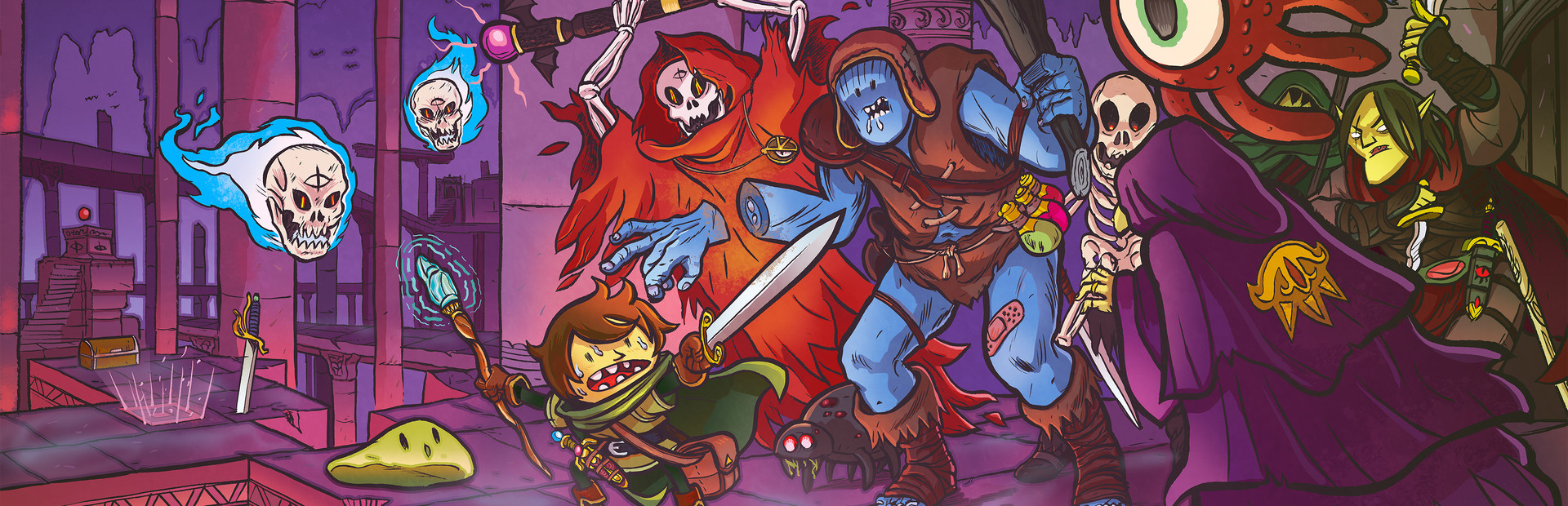
I keep coming back to Delver because it does something rare: it trusts the player to read the room. There are no quest markers, no tutorial pop-ups that hold your hand past the starting campfire. You kit up from a couple of randomly dealt weapons and potions, open the dungeon gate, and the darkness takes over from there. The whole thing was built by Chad Cuddigan, one person, and that intentionality is visible in every corner of the design. The inspiration reportedly traces back to Ultima Underworld, and you can feel that lineage in how the space is treated: exploration is tactile, purposeful, and quietly tense in a way that bigger-budget dungeon crawlers rarely achieve. Mechanically, Delver sits at the crossroads of first-person action and old-school roguelike structure. You work your way through seven procedurally generated floors, each slightly more hostile than the last, hunting the Yithidian Orb at the bottom. Combat mixes melee swings and charged attacks from swords, maces, and daggers with bow shots and limited-use wands that let you blast enemies from range. Every weapon wears down with use, so constant inventory churn is real, you are always weighing whether to burn a wand now or save it for the next floor. Potions add a lovely layer of dread: their effects are unlabeled until you drink them, so sipping an unknown flask mid-fight is a genuine gamble. Leveling up gives you three random stat choices from a pool covering Endurance, Defense, Speed, and Magic Affinity, keeping each run feeling slightly different in character shape even without formal class selection. Gold is the one thing that persists through death, spent at the pre-run camp on starting gear, which gives a gentle forward momentum without undermining permadeath's stakes. The aesthetics are chunky, blocky pixel-art rendered in 3D, somewhere between Minecraft and a Game Boy Advance dungeon RPG, with visible Hexen-era DNA in the torch-lit corridors. The soundscape is where Delver quietly earns its reputation: the ambient dungeon audio is genuinely ominous, the music ushers you deeper without ever feeling like a YouTube playlist, and small touches like enemy footsteps and the creak of breaking crates add texture that a lot of indie roguelikes skip. The biome transitions every two floors, from stone ruins to sewers to dark spider-infested caves, do just enough to reset the visual rhythm. The honest caveats are real, though. Delver is a lean game. There are no unlockable characters, no meta-progression tree, no challenge modes to layer in after your first couple of completed runs. Enemy variety is functional rather than rich, trolls, slimes, mages, skeletons, and once you have internalized the attack patterns, the early floors become rote. The game's late-run twist, where carrying the Orb out spawns relentless skeleton waves on the ascent back up, lands somewhere between thrilling and exhausting depending on how your resource management held up on the way down. Players who want a dense meta-loop or a build-crafting sandbox will bump against the ceiling quickly. The mod and Workshop support does extend the shelf life if you go looking for it, but that requires effort the base game does not demand of you. For what it is, a handcrafted, atmospheric, first-person roguelike that respects your time and mood without overstaying its welcome, Delver is an understated achievement. Sit with the darkness. Listen to the dungeons breathe.

Indie & narrative
Tags
System Requirements
Minimum
- OS
- Windows Vista / 7 / 8
- Memory
- 1 GB RAM
- Storage
- 200 MB available space
- Graphics
- OpenGL 2.0 Compatible
- Processor
- 1.5 Ghz
Recommended
- OS
- Windows Vista / 7 / 8
- Memory
- 1 GB RAM
- Storage
- 200 MB available space
- Graphics
- OpenGL 2.0 Compatible
- Processor
- Dual core processor
Keep exploring
Community Discussion
Be the first to comment on Delver.
Reviews & Ratings
No ratings available
Game Info
- Developer
- Chad Cuddigan
- Publisher
- Priority Interrupt
- Release Date
- Feb 1, 2018