Defense Grid: The Awakening
One of the tightest tower-defense games ever made, and a genuinely good entry point for strategy players who haven't touched the genre before.
GamerScout Verdict
Best for strategy players who want a mechanically clean tower-defense game with real scoring depth and zero fluff.
Compare Prices(0 stores)
Loading prices...
We may earn a commission when you buy games through links on this page — at no extra cost to you. It never affects our rankings or verdicts.
Price History
Screenshots & Media
About Defense Grid: The Awakening
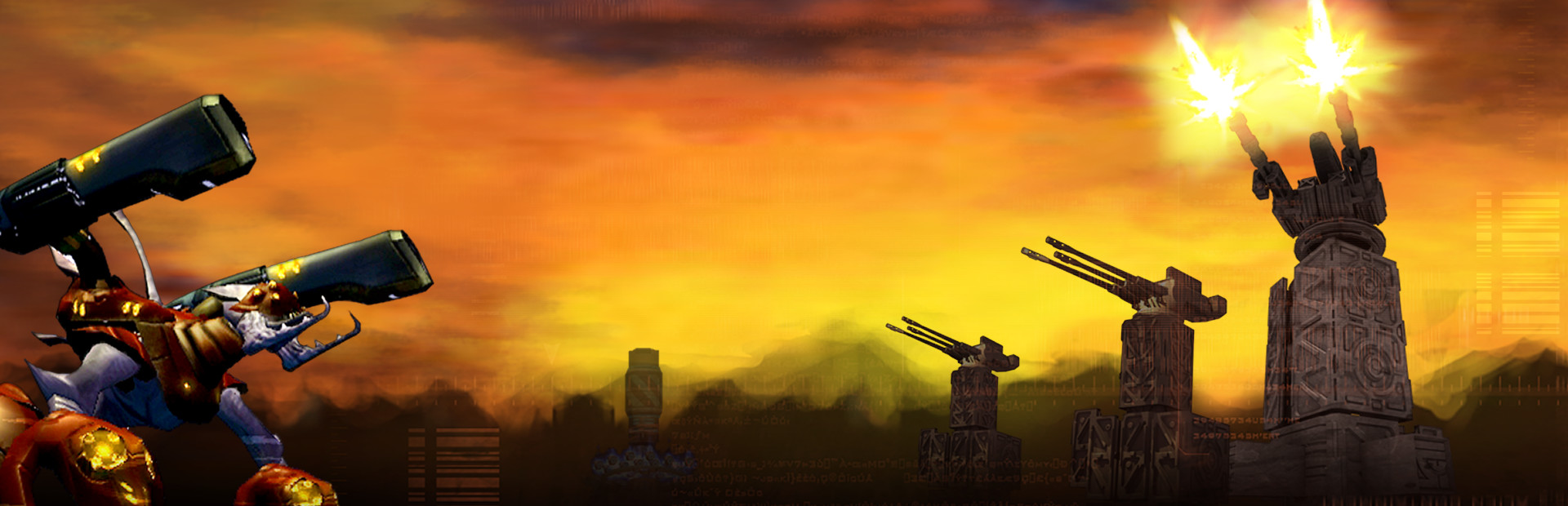
I've lost more afternoons to Defense Grid: The Awakening than I care to admit, and I say that as someone who normally demands a tech tree and a diplomacy screen before committing. Hidden Path Entertainment released this back in December 2008, designed by Mark Terrano, the lead designer of Age of Empires II, and that pedigree shows in the precision of how every system locks together. This is a pure tower-defense game with no multiplayer, no base-building side quests, just you, an open grid, and waves of insectoid aliens trying to steal your power cores. The core mechanic is deceptively simple but rewards genuine systems thinking. You have 10 tower types, each with three upgrade tiers, and each with trade-offs that matter. Gun towers are cheap, fast-firing, and shred shielded enemies. Cannon towers hit hard but need support. Temporal towers slow the enemy column to a crawl without dealing any damage at all, which means pairing them with a kill-zone cluster of upgraded cannons or inferno towers is where most of the decision-making actually lives. Missile towers handle aerial units, which fly a separate fixed path and will leak past your entire ground defense if you ignore them. The Command tower reveals cloaked units and passively boosts resource income per kill inside its radius, which interacts with the game's interest-accrual economy in ways that serious score-chasers will want to min-max. Resources earn interest at a rate tied to how much you're holding, so delaying spending to bank interest is a real strategic lever, not just flavor. The 20 campaign maps serve as a proper tutorial by design. Early levels constrain your build slots so you can't go wrong, then mid-game opens up flat grids where you have to construct mazes by placing towers as path-blockers, forcing aliens to walk a longer gauntlet. Later maps add dual entry points, altitude changes, and enemy mix shifts that require you to hold two independent defensive lines at once. Sixteen-wave maps feel approachable; late-campaign maps with 30-plus waves and carrier-class enemies that spawn smaller aliens on death demand genuine iteration. If you bronze-medal everything on a first pass, there are unlockable challenge modes per level with altered starting conditions, restricted tower sets, or 99-wave endurance runs. Completionists will find the gold-medal push on harder modes substantially more demanding than the main campaign. The honest criticism is the absence of any multiplayer mode, which reviewers flagged at launch and remains true today. The story, narrated by a genial AI named Fletcher, is light but surprisingly pleasant. The pacing can drag mid-wave if you play at default speed, though the fast-forward button is one keypress away. There is no adjustable difficulty slider in the base campaign, so players who find the main story too easy must seek out the challenge modes themselves. The visual style has aged acceptably for a 3D game from 2008, and the three zoom levels give you practical control over your view without friction. For strategy players who've never tried tower defense: this is the correct place to start. The mechanics layer in gradually, the failure states are readable, and every loss teaches you something specific about tower synergy or pathing geometry. For veterans of the genre, the satisfaction is in chasing gold medals and leaderboard positions, which pushes you toward resource efficiency and zero-core-lost runs that demand tight composition thinking. The DLC map packs, including the Resurgence series and the Portal-themed You Monster add-on, extend the map pool considerably past the base 20 levels. Singleplayer only, strategy depth is real, and the age of the engine should not scare anyone off.

Strategy & simulation
Tags
System Requirements
Minimum
- Video
- Video: DirectX 9 video card with shader 2 support such as the following:
- Memory
- 512 MB RAM
- Processor
- 1.8GHz CPU or higher
- Supported OS
- Windows XP, Vista
- DirectX version
- DirectX 9.0c or higher, June 2008 version or later
- Hard disk space
- 1GB available space
Recommended
- Video
- DirectX 9 video card with shader 3 support and 256MB VRAM such as the following:
- Memory
- 1GB RAM XP, 1.5GB RAM Vista
- Processor
- dual core 2.0GHz CPU or higher
- Controller
- Optionally supports Microsoft Game Controller for Windows
- Supported OS
- Windows XP, Vista
- DirectX version
- DirectX 9.0c or higher, June 2008 version or later
- Hard disk space
- 1GB available space
Keep exploring
Community Discussion
Be the first to comment on Defense Grid: The Awakening.
Reviews & Ratings
Game Info
- Developer
- Hidden Path Entertainment
- Publisher
- Hidden Path Entertainment
- Release Date
- Dec 8, 2008