
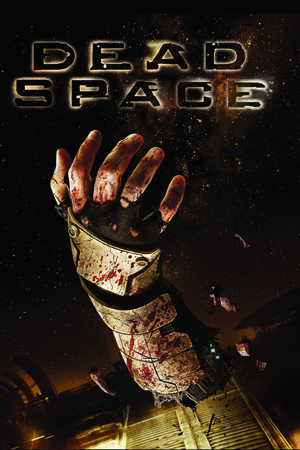
Dead Space (2008)
Forget headshots - on the USG Ishimura, you cut limbs to survive, and that single design choice makes Dead Space one of the most inventive survival horror games ever shipped.
GamerScout Verdict
8.7/10Best for survival horror fans who want methodical, limb-targeting combat and oppressive atmosphere over cheap jump scares.
Compare Prices(5 stores)
Every store in this table quotes us in euros, so the EUR figure is the price the seller actually set, not our arithmetic — which is why EUR is also the currency we rank in. We only list an offer here when the store gives us its price in euros, so nothing in this table is a number we invented.
Pick USD, PLN, GBP, CAD or AUD in the header and we convert from EUR at the European Central Bank reference rate — converted amounts are prefixed with ~. Your bank or the store may apply a different rate at checkout. We never hide offers based on where you are: everyone sees this whole table.
We may earn a commission when you buy games through links on this page — at no extra cost to you. It never affects our rankings or verdicts.
Price History
Screenshots & Media
About Dead Space (2008)
I've put time into a lot of horror games that dress up a corridor shooter with flickering lights and call it tension. Dead Space does something genuinely different: it makes you think before every trigger pull. The core gimmick - shoot off the limbs of Necromorphs rather than go for headshots, because decapitation only makes them angrier - sounds like a marketing bullet point until the first time a torso with no arms crawls across the floor and latches onto your leg. From that moment, the rules of the genre feel rewritten. The setting does most of the heavy lifting. The USG Ishimura is a "Planetcracker" mining vessel, and every section of it - the medical deck, the engineering levels, the vacuum-sealed outer corridors - feels like a place that existed before the catastrophe and now carries the weight of it. Audio logs and scattered text messages build the backstory without forcing it on you, a smart balance between lore and pacing. Isaac Clarke is a silent protagonist here, an engineer armed with repurposed tools rather than military hardware: the Plasma Cutter for precise dismemberment, the Line Gun for crowd control, the Flamethrower for close panic situations. None of them feel like traditional guns, which keeps the survival framing honest. The HUD is nearly invisible - health displays as a glowing spine along Isaac's suit back, ammo counts appear on the weapon itself, oxygen depletes through a helmet gauge - and that near-invisible interface is one of the smartest UI decisions the genre has produced. You stay in the horror instead of watching it through a menu overlay. Zero-gravity sections change the spatial rules entirely, letting enemies approach from walls and ceilings in ways that keep familiar corridors feeling dangerous on repeat visits. Vacuum sequences cut audio to near-silence, leaving only Isaac's breathing and suit sounds - an immersive trick the game uses with real confidence. The sound design overall is exceptional, using the ship's groaning hull and directional audio cues to build dread in empty rooms long before anything appears. The friction is real and worth naming. The PC version has a known sluggishness with mouse input - you adapt, but it is there. The ADS Cannon sections, where Isaac manually operates asteroid defense turrets, are widely considered the game's low point and they do stall momentum in a way nothing else does. Some players find the horror deflates once you build a rhythm mid-game, and on lower difficulties the resource management pressure lightens enough that it shifts closer to an action game with atmosphere. Higher difficulties restore that edge. The story gets mixed marks - the atmosphere and environmental storytelling are excellent, the scripted narrative takes longer to pay off and lands in polarizing territory. None of these issues break the experience, but they are worth knowing going in. The 2023 remake exists and improves on several of these rough edges, but the 2008 original still holds up as the foundation that made the series matter. If you want methodical, resource-centric survival horror where every shot carries weight and the ship itself feels like an antagonist, this is the version that established those rules. Horror fans who have been through Resident Evil 4 and want to know what came next should start here.

Catch-all
Tags
System Requirements
Minimum
Keyboard, mouse, or Xbox 360 controller for Windows
DLC & Add-ons for Dead Space (2008)2
Expansions, DLC packs and add-on content for this game. Click any item to see store offers.
Keep exploring
Community Discussion
Be the first to comment on Dead Space (2008).
Reviews & Ratings
Game Info
- Developer
- EA Redwood Shores
- Publisher
- Electronic Arts
- Release Date
- Jan 9, 2009


