Danger!Energy
Free to PlayEighty neon-lit puzzles made by one person, free to grab, and deceptively brutal once the prisms and segment limits show up. Worth your lunch break, possibly your evening.
GamerScout Verdict
A scrappy, honest free-to-play puzzler best suited to patient grid-logic fans who enjoy solo-dev sincerity over visual polish.
Compare Prices(3 stores)
Every store in this table quotes us in euros, so the EUR figure is the price the seller actually set, not our arithmetic — which is why EUR is also the currency we rank in. We only list an offer here when the store gives us its price in euros, so nothing in this table is a number we invented.
Pick USD, PLN, GBP, CAD or AUD in the header and we convert from EUR at the European Central Bank reference rate — converted amounts are prefixed with ~. Your bank or the store may apply a different rate at checkout. We never hide offers based on where you are: everyone sees this whole table.
We may earn a commission when you buy games through links on this page — at no extra cost to you. It never affects our rankings or verdicts.
Price History
Screenshots & Media
About Danger!Energy
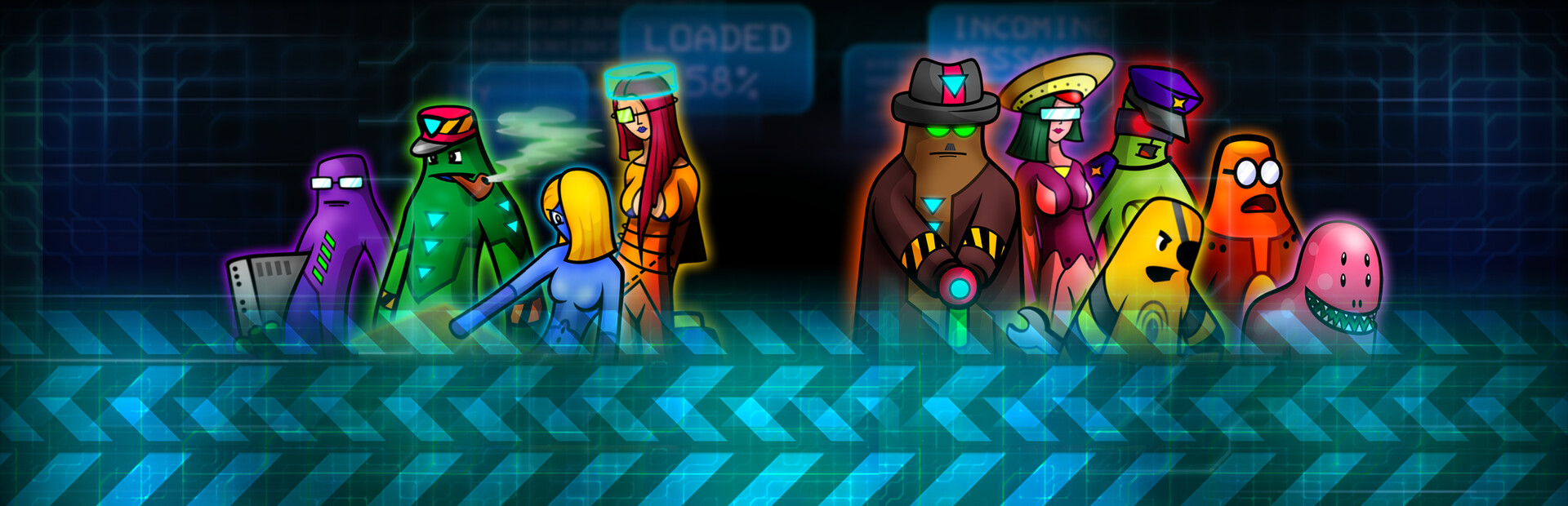
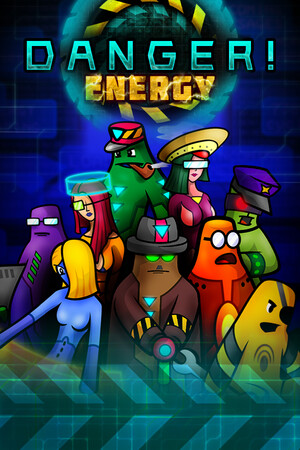
I have a soft spot for the kind of game that started life as a free download, got quietly updated, then arrived on Steam wearing no disguise at all. Danger!Energy is exactly that: a solo-dev puzzle game from SaintHeiser that originally surfaced in 2011, resurfaced on Steam in late 2018, and eventually went free-to-play because the developer decided games should stop charging once their time has passed. That context matters. There is something disarmingly honest about it. The core loop is simple enough to sketch on a napkin. You connect generators by placing straight light segments across a grid, threading them through obstacles without breaking the circuit. Early levels feel approachable, almost meditative. Then the game introduces segment length limits, energy barriers, impenetrable walls, and prisms that only allow a beam to pass through from one specific angle. By the time the third and fourth themed zones arrive, the puzzle space has expanded considerably beyond what the opening suggests. The five distinct area themes, including Heat Fields and Hydroflow, each carry their own visual flavor and mechanical wrinkle, which keeps the roughly eighty levels from blurring together entirely. What genuinely surprised me is the soundtrack. For a small free-to-play puzzle game, the music is doing real work: driving, synth-forward, somewhere between retro arcade and a low-budget cyberpunk score. It earns its place rather than just filling silence. The story, told through static cutscenes between levels, follows Captain Faust and a small crew trying to free the virtual city of Santermonia from an authoritarian network controller. The writing is sparse and a little rough around the edges, and some of the text-only dialogue sequences run longer than they should, but the worldbuilding has a lo-fi charm that suits the aesthetic. The honest complaints are real ones. The visual presentation feels closer to a Flash-era browser game than a polished indie release. Level views can feel cramped, with large object sizes cutting off your sight lines right when precision matters most. And precision does matter: some solutions require placing a segment on a single pixel of valid space, which crosses from satisfying into finicky depending on your patience threshold. There is no co-op, no replay incentive beyond completion, and the extras menu rewards mostly cutscene replays and lore unlocks. For a game of this scope that is not a dealbreaker, but players hoping for post-credits reasons to return will not find them. Who is this for? Puzzle fans who enjoy the quiet satisfaction of a clean solution, people who appreciate seeing one developer's handwriting across every corner of a project, and anyone who finds the idea of a free dystopian neon-grid puzzler worth an evening of their time. It is not a polished showpiece. It is an earnest, occasionally frustrating, occasionally lovely small thing, and it knows exactly what it is.

Indie & narrative
Tags
System Requirements
Minimum
- OS
- Windows XP
- Memory
- 64 MB RAM
- Storage
- 100 MB available space
- Graphics
- Integrated video
- Processor
- 1 GHz
- Sound Card
- Integrated audio
Keep exploring
Community Discussion
Be the first to comment on Danger!Energy.
Reviews & Ratings
No ratings available
Game Info
- Developer
- SaintHeiser
- Publisher
- Half-Face Games
- Release Date
- Dec 20, 2018