Compare Conrad Stevenson's Paranormal P.I. prices across 50+ stores and find the best deal. Developed by D&A Studios. Published by D&A Studios. Released on 9/28/2023. Available on PC. Genres: Casual, Indie, Simulation.

Patience is the only skill that matters here, and if your tolerance for methodical procedure-following runs dry fast, Conrad will lose you before the first ghost ever shows up.

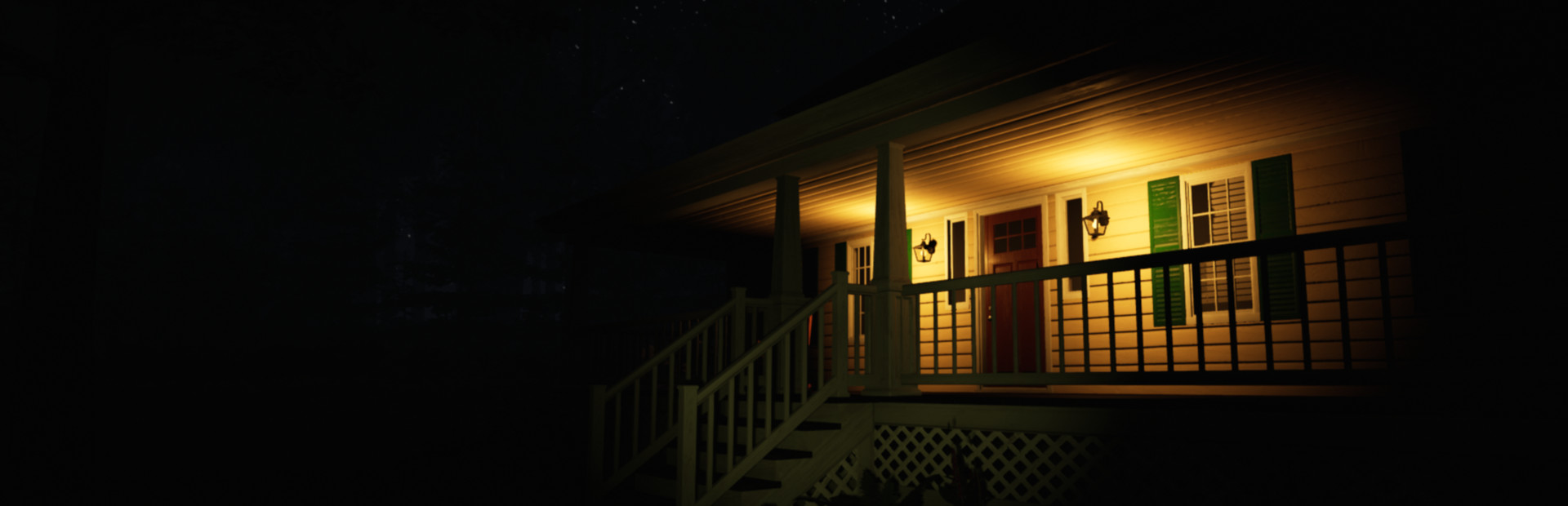
My instinct with any simulation game is to map the systems before I commit time to it. With Conrad Stevenson's Paranormal P.I., that instinct paid off fast, because this is not a jump-scare delivery machine dressed up as a detective game. It is a strict, procedural ghost-hunting sim built around the idea that real paranormal investigation is slow, ambiguous, and occasionally terrifying in its quiet. The developer, a solo creator at D&A Studios, made no secret of this design philosophy, and the finished game wears it plainly. If that sounds like a warning, treat it as one. The core loop runs roughly like this: check your office PC in New Eidolon for client emails, extract witness notes by highlighting yellow-flagged text, build a case file, then head out to a haunted location with a tool belt loaded across five slots. Your starter kit includes an EMF meter, a thermometer, an audio recorder, a camera with night vision, and a flashlight. The EMF and thermometer work as proximity sweepers, but the game adds a layer of realism that will catch Phasmophobia veterans off guard: the EMF detector will spike near a fridge or a breaker box just as it would in real life, and Conrad will even comment on it. You are not hunting a UI prompt. You are reading the environment. Gathering four audio lines, multiple EMF and temperature readings, archive notes, and ghost photographs fills a per-ghost progress meter that feeds your XP pool, which you spend at the in-game S.L.I.M.E. store on additional equipment like the Auto-Cam or a Paravox. Ghost release and demon exorcism are separate, multi-step rituals that demand you know the specific relic a spirit is attached to, answer dialogue prompts about the ghost's history, and in demon cases, decode a true name from runes found at the location before laying out salt and completing the rite. The satisfaction ceiling on a completed exorcism is high. The floor is a lot of standing around. Atmosphere is where the game justifiably earns its 93% positive user rating on Steam. The audio design is the headline: subtle floorboard creaks from the next room, ambient silence used as a weapon, and ghost voices that shift between distant whispers and something that will make you spin around involuntarily. Headphones are close to mandatory here, not optional. Visually the textures are modest for a 2023 release, but the lighting and first-person perspective are used intelligently. Corridors feel long. Rooms feel occupied even when empty. When a spectre silently materialises behind you without a jump-scare sting, the effect lands harder than most horror games manage with a full orchestral hit. The friction points are real, though, and worth naming. The tutorial front-loads a large volume of information through in-game wiki pages before you ever reach a haunted address, and that reference material is only accessible back at the office PC, not in the field. New players will make multiple visits to a location getting essentially nothing, not because of bad luck but because they skipped a procedural step they did not know existed. The game's own developer acknowledged in Steam discussions that the pacing is structurally baked in and cannot be adjusted without rebuilding core systems, so this is not a problem a patch will solve. The XP loop also creates an odd incentive: thorough investigation grinds progress slower than quick in-and-out runs, which feels at odds with what the game is asking you to care about. And the ghost behaviour is fixed, meaning replaying locations after you know the script loses tension fast. None of that collapses the experience for its target audience. If you approach this the way a sim specialist would, which means reading the in-game ghost-type reference before your first field visit, keeping a personal notepad of each location's active evidence types, and resisting the urge to rush the tool prompts, the deductive puzzle of uncovering who these ghosts were in life and what they need to move on is genuinely rewarding. The narrative layer behind each spirit, the archival research, the four-choice dialogue during release rituals, all of it pushes this closer to an adventure game with investigation tools than a straight horror sandbox. Phasmophobia comparisons are reflexive but inaccurate. This is quieter, lonelier, and more invested in its ghost stories than in moment-to-moment danger. Diego, Scout Team

Conrad Stevenson's Paranormal P.I.
CasualIndieSimulation

Conrad Stevenson's Paranormal P.I.

Sep 28, 2023D&A Studios
GamerScout Says

Patience is the only skill that matters here, and if your tolerance for methodical procedure-following runs dry fast, Conrad will lose you before the first ghost ever shows up.

PC
Best Price Available
0.00
at N/A
Historical low: $1.89

Compare Prices(0 stores)

Loading prices...

We may earn a commission when you buy games through links on this page — at no extra cost to you. It never affects our rankings or verdicts.

Screenshots & Media

Screenshot

About Conrad Stevenson's Paranormal P.I.

My instinct with any simulation game is to map the systems before I commit time to it. With Conrad Stevenson's Paranormal P.I., that instinct paid off fast, because this is not a jump-scare delivery machine dressed up as a detective game. It is a strict, procedural ghost-hunting sim built around the idea that real paranormal investigation is slow, ambiguous, and occasionally terrifying in its quiet. The developer, a solo creator at D&A Studios, made no secret of this design philosophy, and the finished game wears it plainly. If that sounds like a warning, treat it as one. The core loop runs roughly like this: check your office PC in New Eidolon for client emails, extract witness notes by highlighting yellow-flagged text, build a case file, then head out to a haunted location with a tool belt loaded across five slots. Your starter kit includes an EMF meter, a thermometer, an audio recorder, a camera with night vision, and a flashlight. The EMF and thermometer work as proximity sweepers, but the game adds a layer of realism that will catch Phasmophobia veterans off guard: the EMF detector will spike near a fridge or a breaker box just as it would in real life, and Conrad will even comment on it. You are not hunting a UI prompt. You are reading the environment. Gathering four audio lines, multiple EMF and temperature readings, archive notes, and ghost photographs fills a per-ghost progress meter that feeds your XP pool, which you spend at the in-game S.L.I.M.E. store on additional equipment like the Auto-Cam or a Paravox. Ghost release and demon exorcism are separate, multi-step rituals that demand you know the specific relic a spirit is attached to, answer dialogue prompts about the ghost's history, and in demon cases, decode a true name from runes found at the location before laying out salt and completing the rite. The satisfaction ceiling on a completed exorcism is high. The floor is a lot of standing around. Atmosphere is where the game justifiably earns its 93% positive user rating on Steam. The audio design is the headline: subtle floorboard creaks from the next room, ambient silence used as a weapon, and ghost voices that shift between distant whispers and something that will make you spin around involuntarily. Headphones are close to mandatory here, not optional. Visually the textures are modest for a 2023 release, but the lighting and first-person perspective are used intelligently. Corridors feel long. Rooms feel occupied even when empty. When a spectre silently materialises behind you without a jump-scare sting, the effect lands harder than most horror games manage with a full orchestral hit. The friction points are real, though, and worth naming. The tutorial front-loads a large volume of information through in-game wiki pages before you ever reach a haunted address, and that reference material is only accessible back at the office PC, not in the field. New players will make multiple visits to a location getting essentially nothing, not because of bad luck but because they skipped a procedural step they did not know existed. The game's own developer acknowledged in Steam discussions that the pacing is structurally baked in and cannot be adjusted without rebuilding core systems, so this is not a problem a patch will solve. The XP loop also creates an odd incentive: thorough investigation grinds progress slower than quick in-and-out runs, which feels at odds with what the game is asking you to care about. And the ghost behaviour is fixed, meaning replaying locations after you know the script loses tension fast. None of that collapses the experience for its target audience. If you approach this the way a sim specialist would, which means reading the in-game ghost-type reference before your first field visit, keeping a personal notepad of each location's active evidence types, and resisting the urge to rush the tool prompts, the deductive puzzle of uncovering who these ghosts were in life and what they need to move on is genuinely rewarding. The narrative layer behind each spirit, the archival research, the four-choice dialogue during release rituals, all of it pushes this closer to an adventure game with investigation tools than a straight horror sandbox. Phasmophobia comparisons are reflexive but inaccurate. This is quieter, lonelier, and more invested in its ghost stories than in moment-to-moment danger. Diego, Scout Team

Tags

singleplayerachievementscontroller-supportcloud-savestier:sub-5Procedural InvestigationEvidence CollectionGhost StoriesSingle-Player HorrorExorcism RitualSlow BurnAudio-DrivenDeductive PuzzlesXP Progression

Steam Deck & Linux

Steam Deck PlayableProtonDB Gold

Valve rates this game Steam Deck Playable. Runs great on Linux after minor tweaks. Based on 5 ProtonDB community reports.

System Requirements

Minimum

OS
64-bit Windows 7, Windows 8, Windows 10
Memory
8 GB RAM
DirectX
Version 11
Storage
20 GB available space
Graphics
NVIDIA GeForce GTX 1080 8GB / AMD Radeon RX VEGA 56 8GB
Processor
Intel Core i5-8400 / AMD Ryzen 3 3300X
Additional Notes
Requires a 64-bit processor and operating system

Recommended

OS
64-bit Windows 10
Memory
8 GB RAM
DirectX
Version 11
Storage
20 GB available space
Graphics
NVIDIA GeForce GTX 1080 8GB / AMD Radeon RX VEGA 56 8GB
Processor
Intel Core i7-8700K / AMD Ryzen 5 3600X
Additional Notes
Requires a 64-bit processor and operating system

Community Discussion

Be the first to comment on Conrad Stevenson's Paranormal P.I..

Reviews & Ratings

No ratings available

Game Info

Developer
D&A Studios
Publisher
D&A Studios
Release Date
Sep 28, 2023

Price Alert

Get notified when the price drops below your target!

Create Alert

Price History

2026-06-101.89(lowest)
2026-06-091.89(lowest)

Buy smarter: helpful guides

Looking for more? See games like Conrad Stevenson's Paranormal P.I.

Frequently asked questions about Conrad Stevenson's Paranormal P.I.

How much does Conrad Stevenson's Paranormal P.I. cost?

Conrad Stevenson's Paranormal P.I. pricing changes often and varies by store, edition and region. The live price table on this page compares the cheapest in-stock key and store offers across 50+ verified shops, so you always see the current lowest price before you buy.

Where can I buy Conrad Stevenson's Paranormal P.I. cheapest?

Compare Conrad Stevenson's Paranormal P.I. prices across every verified store in the price table on this page. We list the cheapest in-stock key and store offers, updated regularly, so you always see the best current deal before you buy.

What platforms is Conrad Stevenson's Paranormal P.I. available on?

Conrad Stevenson's Paranormal P.I. is available on PC.

When was Conrad Stevenson's Paranormal P.I. released?

Conrad Stevenson's Paranormal P.I. was released on 28 September 2023.

Who developed Conrad Stevenson's Paranormal P.I.?

Conrad Stevenson's Paranormal P.I. was developed by D&A Studios.