
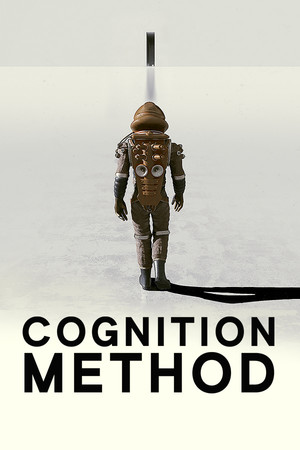
Cognition Method
Portal's gravity tricks meet Tarkovsky's dread inside a monolithic alien artifact. Cognition Method is the kind of atmospheric slow-burn that sci-fi fans with patience will remember long after the credits roll.
GamerScout Verdict
For patient sci-fi puzzle fans who want Portal's spatial logic filtered through Tarkovsky's unease, this one is worth watching closely.
Compare Prices(3 stores)
Every store in this table quotes us in euros, so the EUR figure is the price the seller actually set, not our arithmetic — which is why EUR is also the currency we rank in. We only list an offer here when the store gives us its price in euros, so nothing in this table is a number we invented.
Pick USD, PLN, GBP, CAD or AUD in the header and we convert from EUR at the European Central Bank reference rate — converted amounts are prefixed with ~. Your bank or the store may apply a different rate at checkout. We never hide offers based on where you are: everyone sees this whole table.
We may earn a commission when you buy games through links on this page — at no extra cost to you. It never affects our rankings or verdicts.
Price History
Screenshots & Media
About Cognition Method
I keep coming back to the feeling Cognition Method leaves in the pit of your stomach: not terror exactly, but the particular unease of standing in a space that was never built for human eyes. The game drops you inside the Cube, a mysterious extraterrestrial structure whose secrets a missing scientific expedition apparently paid a steep price to approach. Your job is to go in after them. What follows is a first-person puzzle experience that wears its cinematic references openly, drawing clear lines back to the cold geometry of 2001: A Space Odyssey and the psychological fog of Solaris. That is a high bar to set, and the game does not always clear it, but it sets it with conviction. The mechanical heart of the experience is gravity manipulation. Gravity wells scatter across the environment, letting the player walk on walls and ceilings to reach switches, reposition physics objects like spheres and cubes, and essentially re-read every room as a three-dimensional puzzle with no fixed floor. Players familiar with Portal's object-placement logic will find the rhythms recognizable, but the added vertical axis makes even familiar switch-and-barrier setups feel genuinely strange. The puzzles ask you to think about architecture as something malleable, not fixed, and there are moments when flipping your orientation mid-room produces a quiet click of spatial understanding that is its own reward. Visually, Team Cognition commits to a deliberate contrast between two worlds. The human ship side carries a retro-futurist warmth, chunky panels and amber light and the sense that real people ate lunch here. The Cube itself is the opposite: cold concrete, symmetrical corridors, silence that presses rather than soothes. That contrast, the familiar against the alien, is where the game earns its atmosphere rather than just asserting it. A disembodied voice and fragmentary narrative moments add psychological horror texturing without tipping fully into jump-scare territory. The story is interested in bigger questions, fear of evolution, the limits of what humans can understand, and it gestures at multiple endings. Fair disclosure on context: as of writing, Cognition Method is still working its way toward a full release, with the demo Cognition Method: Initiation serving as the primary playable entry point and earning a strong positive reception on Steam. The full game has been in development for some time, and community patience has been tested by the long runway. Some players have flagged control quirks in the demo, particularly around mouse sensitivity and key remapping, and placeholder AI voices that the developers have confirmed are being replaced with recorded performances. None of that negates the genuine promise of what exists. It does mean you should go in with eyes open about where this project sits in its lifecycle. If the atmospheric foundation and the gravity-puzzle concept pull at something in you, the demo is free and worth the hour or two it takes.

Indie & narrative
Tags
System Requirements
Minimum
- OS
- Windows 7
- Memory
- 8 GB RAM
- Storage
- 15 GB available space
- Graphics
- nVidia GeForce 1060 GTX / AMD Radeon RX 580
- Processor
- i3 4130 / amd fx 4300
Keep exploring
Community Discussion
Be the first to comment on Cognition Method.
Reviews & Ratings
No ratings available
Game Info
- Developer
- Team Cognition
- Publisher
- Team Cognition
- Release Date
- Sep 1, 2026