
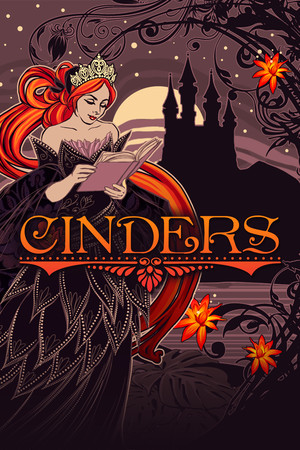
Cinders
Forget the glass slipper and the passive princess waiting to be rescued. Cinders hands you the script and dares you to burn it, poison it, or rewrite it entirely.
GamerScout Verdict
Best for visual novel fans and narrative readers who want Cinderella's story cracked open and handed back to them with actual choices.
Compare Prices(5 stores)
Every store in this table quotes us in euros, so the EUR figure is the price the seller actually set, not our arithmetic — which is why EUR is also the currency we rank in. We only list an offer here when the store gives us its price in euros, so nothing in this table is a number we invented.
Pick USD, PLN, GBP, CAD or AUD in the header and we convert from EUR at the European Central Bank reference rate — converted amounts are prefixed with ~. Your bank or the store may apply a different rate at checkout. We never hide offers based on where you are: everyone sees this whole table.
We may earn a commission when you buy games through links on this page — at no extra cost to you. It never affects our rankings or verdicts.
Price History
Screenshots & Media
About Cinders
I went into Cinders half-expecting a prettied-up retelling I'd skim through in an afternoon and forget. What I got instead was a visual novel that took the Cinderella story I thought I knew, laid it on the table, and asked which parts of it I actually believe in. That shift happens quietly, in the first handful of choices, and it's the kind of craft that only shows up when a small team cares about what they're making. MoaCube, a Polish indie studio, built this as their debut project on a shoestring budget that stretched a planned six-month timeline into a year and a half. The script clocks in at over 100,000 words, with 120 decision points and more than 300 individual choices across a single playthrough. What's notable is that the choices are not cosmetic. The game tracks three hidden personality parameters, commonly read by the community as leaning toward good, smart, or self-serving, and the combination of decisions you make shapes not just which of the four endings you reach, but the variations within them. Run away with a merchant named Tobias, a childhood friend. Align yourself with Perrault, the captain of the royal guard, who may risk everything for you if you've earned it. Earn stepmother Lady Carmosa's grudging respect, or plot to have her removed entirely. Marry Prince Basile and rule alongside him, or rule alone. The game is genuinely good at making those divergences feel earned rather than arbitrary. The presentation is extraordinary for an indie title of this scope. Artist Gracjana Zielinska's work is painterly and detailed, with a quasi-historical European atmosphere that sits somewhere between storybook and proper drama. The environments especially stick with you. Composer Rob Westwood's original soundtrack, which won a best score award from the VN community in its release year, does quiet, precise atmospheric work rather than trying to announce itself. It's the kind of score you notice most when a scene earns a swell and the music is already there, waiting. The weaknesses are real but minor. The lip-flap animation used to break up static scenes tends to strike players as awkward rather than natural. The male love interests, Tobias aside, don't get enough screen time to develop fully before the story asks you to invest in them emotionally. And some players will find that the hidden morality system quietly labels realistic resentment as "evil," which creates an occasional disconnect between intention and outcome. These are friction points, not dealbreakers, and they're worth knowing before you start building relationships that matter to you. First playthrough runs around three to four hours. Subsequent runs with the skip function land closer to ninety minutes. The awards screen tracks which ending variants you've unlocked and what percentage of each branch you've seen, which will either satisfy completionists or quietly haunt them. For genre newcomers, this is one of the better entry points out there: short enough to finish, substantive enough to replay, and non-anime in its visual identity in a way that tends to broaden rather than limit its appeal. For readers who grew up on choose-your-own-adventure books and want that feeling back with real craft behind it, this is exactly that.

Indie & narrative
Tags
System Requirements
Minimum
- OS
- Windows Vista/7/8/10
- Memory
- 512 MB RAM
- DirectX
- Version 9.0
- Storage
- 200 MB available space
Keep exploring
Community Discussion
Be the first to comment on Cinders.
Reviews & Ratings
No ratings available
Game Info
- Developer
- MoaCube
- Publisher
- MoaCube
- Release Date
- May 1, 2014