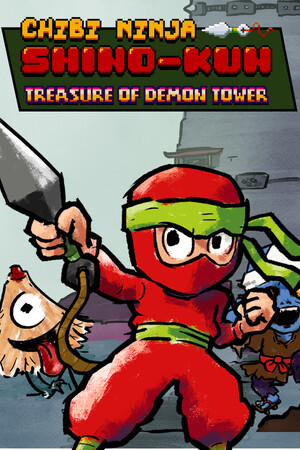
Chibi Ninja Shino-kun: Treasure of Demon Tower
A one-dev love letter to 80s and 90s ninja games that asks one simple question: can you move well enough to deserve the treasure at the top? Short, sharp, and surprisingly deep in its movement toolkit.
GamerScout Verdict
Best for retro platformer fans who want movement mastery over narrative, and own a D-pad.
Compare Prices(2 stores)
Every store in this table quotes us in euros, so the EUR figure is the price the seller actually set, not our arithmetic — which is why EUR is also the currency we rank in. We only list an offer here when the store gives us its price in euros, so nothing in this table is a number we invented.
Pick USD, PLN, GBP, CAD or AUD in the header and we convert from EUR at the European Central Bank reference rate — converted amounts are prefixed with ~. Your bank or the store may apply a different rate at checkout. We never hide offers based on where you are: everyone sees this whole table.
We may earn a commission when you buy games through links on this page — at no extra cost to you. It never affects our rankings or verdicts.
Price History
Screenshots & Media
About Chibi Ninja Shino-kun: Treasure of Demon Tower
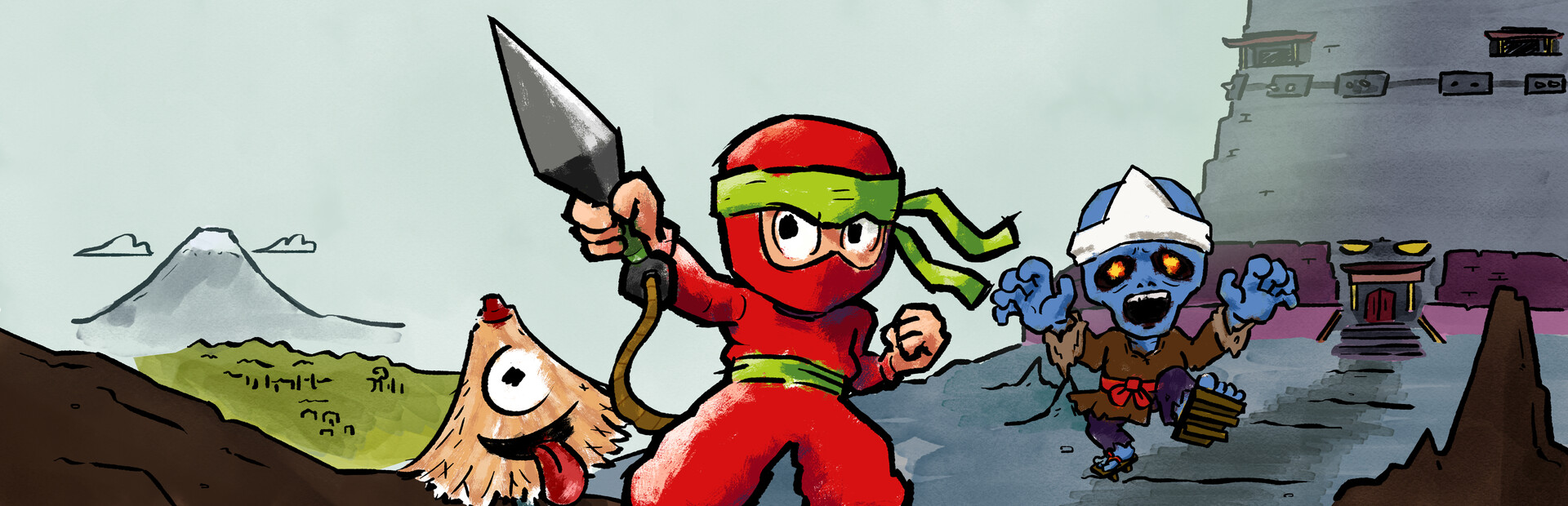
I have a soft spot for solo projects that announce their influences without apology, and Chibi Ninja Shino-kun does exactly that. Ohsat Games built this around a single obsession: movement. The Demon Tower's 100-plus levels exist almost entirely as a proving ground for how well you can string together wall jumps, hookshot launches, ceiling runs, slides, dive kicks, and double jumps into something that feels less like button pressing and more like flow. When it works, and it often does, the sensation is genuinely satisfying in the way only tight retro platformers can be. The moveset is richer than the chibi art style suggests. The hookshot fires straight up and, if you hold the button until Shino-kun reaches the ceiling, he clings there and crawls across it, which is the kind of detail that tells you a developer actually thought hard about verticality. The dive kick drops you into a ground slide automatically, creating a chain that lets you punch through corridors at real speed. Coyote time and jump buffering are present, so the precision required is demanding but not cruel, at least in the first half. The difficulty curve does steepen, and the wall jump in particular has a directional commitment that trips up players who expect modern, forgiveness-heavy controls. You have to be leaning into the wall at the moment you jump, and that split-second window catches people. Enemies include zombies, shield-carrying warriors, ghosts, and demons, each with distinct enough patterns that you cannot just mash through them. Combat feels secondary to traversal, though, and that is probably the right call given how much the developer clearly cares about the platforming itself. The stage design is short and focused by intention, each one built around a specific combination of obstacles rather than sprawling exploration. Collectible Yin Yang symbols sit one per level, and gathering all 100 unlocks a bonus set of 20 harder stages for players who want a stiffer test. There is also a time attack mode for anyone who wants to squeeze the movement system for everything it has. Visually, the pixel art is warm and readable, with a vibrant color palette that keeps the tower environments distinct from each other. The soundtrack leans into that chiptune-adjacent, upbeat nostalgia register that fits the pace without calling too much attention to itself. This is not a game lingering on atmosphere, it wants you moving. The total playtime sits around six to seven hours for a full clear with collectibles, which feels right. It knows when to end. The honest caveat is that the wall jump input is a real friction point for some players, particularly on an analog stick rather than a D-pad. If that one mechanic feels off to you early, it does not get easier because the entire back half of the tower leans on it. With a D-pad and some patience, the feel clicks. Without it, frustration is a real possibility. For fans of Shinobi, JaJaMaru-kun, or any compact precision platformer built around movement mastery, this is a genuinely crafted thing from one person who clearly loves the genre.

Indie & narrative
Tags
System Requirements
Minimum
- OS
- Windows 7, 8, 10
- Memory
- 2 GB RAM
- Storage
- 80 MB available space
- Graphics
- OpenGL Support required
- Processor
- 2.0+ GHz
Keep exploring
Community Discussion
Be the first to comment on Chibi Ninja Shino-kun: Treasure of Demon Tower.
Reviews & Ratings
No ratings available
Game Info
- Developer
- Ohsat Games
- Publisher
- Ohsat Games
- Release Date
- Mar 14, 2023