Chained Echoes
One developer, one vision, and somehow a 60-hour JRPG that out-crafts most studio productions. If the 16-bit greats left a hollow you never filled, this is the one.
GamerScout Verdict
The rare solo-developed JRPG that earns its 60-hour runtime; essential for anyone who grew up with the 16-bit greats and wants something new that matches their craft.
Compare Prices(4 stores)
Every store in this table quotes us in euros, so the EUR figure is the price the seller actually set, not our arithmetic — which is why EUR is also the currency we rank in. We only list an offer here when the store gives us its price in euros, so nothing in this table is a number we invented.
Pick USD, PLN, GBP, CAD or AUD in the header and we convert from EUR at the European Central Bank reference rate — converted amounts are prefixed with ~. Your bank or the store may apply a different rate at checkout. We never hide offers based on where you are: everyone sees this whole table.
We may earn a commission when you buy games through links on this page — at no extra cost to you. It never affects our rankings or verdicts.
Price History
Screenshots & Media
About Chained Echoes
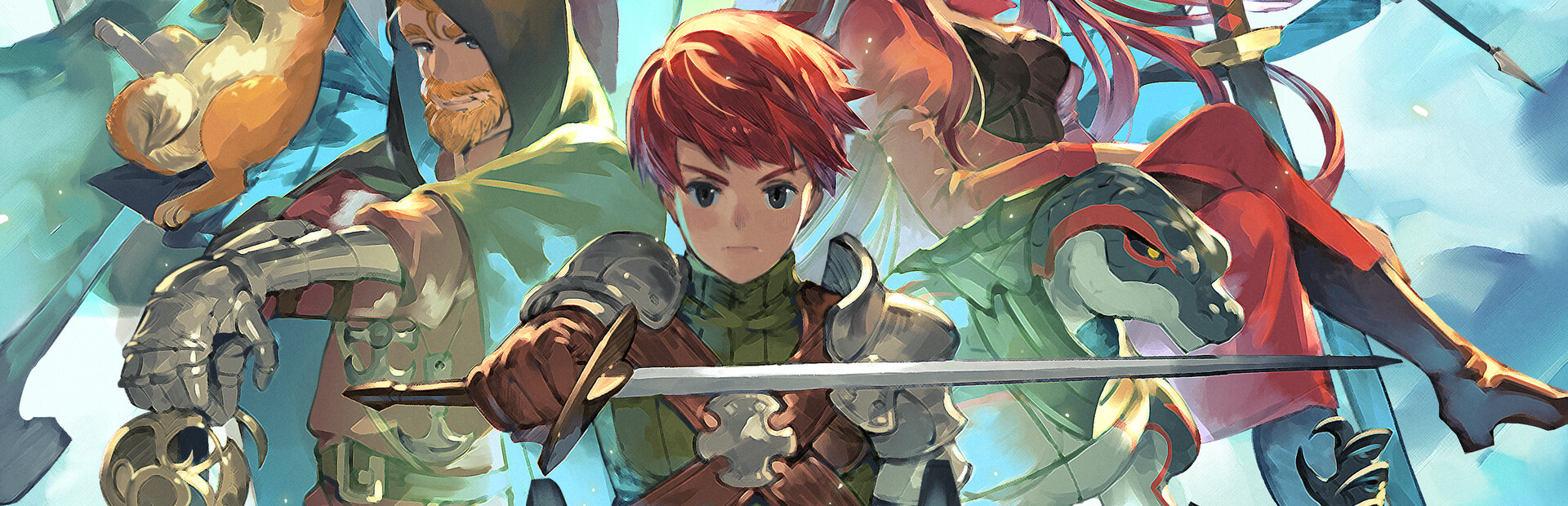
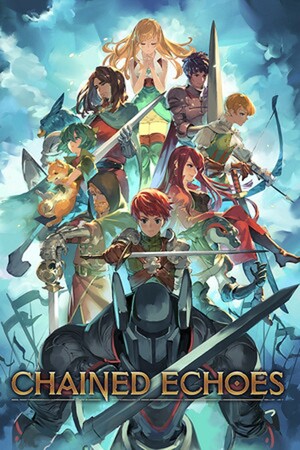
I went into Chained Echoes half-expecting a polished nostalgia trip I could admire at arm's length and move on from. What I got instead was something that sat with me for weeks. Matthias Linda built this almost entirely solo, and the handcraft shows in every seam of it: the pixel artwork that breathes life into a continent called Valandis, a soundtrack by Eddie Marianukroh that genuinely belongs in the same breath as classic SNES-era compositions, and a turn-based combat engine that has more interesting ideas in it than most RPGs designed by full teams. The combat is where this game earns its score and also where it asks the most of you. Every battle runs through an Overdrive bar divided into three colored zones. Stay in the green overdrive zone and your party deals bonus damage while taking less; creep into the red overheat zone and enemies punish you hard. Each action shifts the bar, which means you are constantly reading the room, varying your ability types, swapping in reserve characters mid-turn, and managing gear states for the mech battles that open up later in the game. The Sky Armors (piloted mech suits) introduce their own gear-shift system entirely separate from the on-foot Overdrive logic, complete with deep weapon loadout customization. Some players find the Overdrive mechanic constraining early on, and that criticism is fair: the first few hours hand you a large ability list and the bar can feel punishing before you internalize the rhythm. Give it time. The rhythm is worth learning. The class system layers in via equippable emblems that teach your characters skills across archetypes including Summoner, Cleric, Chemist, Vampire, and Pyromancer, among others. Characters regenerate HP and TP after every fight, which is a deliberate, generous design choice that lets you throw your full toolkit at every encounter without rationing resources across a dungeon. No random encounters either: enemies are visible on the field, and fast travel is available from the start. The Reward Board replaces traditional side-quest lists with a spatial grid of tasks tied to each area, chaining completed objectives for bonus rewards and quietly turning completionist exploration into its own satisfying puzzle. The story wears its inspirations clearly. There are fingerprints of Chrono Trigger in the battle transitions, Wild ARMs in the character introductions, Suikoden in the base-building, and Xenogears in the mech mythology. Where it earns its own ground is in the writing: characters like Lenne and Sierra are built with specific arcs rather than archetype sketches, and the game engages with themes of trauma, guilt, and the cost of war with a seriousness that occasionally feels at odds with the bright pixel palette. A few of the political plot threads can tangle, and the English localization has rough edges in places. The gem fusion and skill upgrade systems also feel underdeveloped compared to the combat core. These are real notes, not dismissals. What stays with me is the coherence of the whole thing. A single person held this vision together across roughly 65 hours of content, a world map traversable by airship, optional boss fights, hidden caves, and a musical score I still have open in another tab. That kind of intentionality is rare at any budget level.

Indie & narrative
Tags
System Requirements
Minimum
- OS
- Windows 7 or newer
- Memory
- 4 GB RAM
- DirectX
- Version 11
- Storage
- 900 MB available space
- Graphics
- Radeon R9 200 or equal
- Processor
- Dual Core Processor
Recommended
- OS
- Windows 10
- Memory
- 6 GB RAM
- DirectX
- Version 11
- Storage
- 900 MB available space
- Graphics
- GeForce 780 or equal
- Processor
- i5 Generation or equal
Keep exploring
Community Discussion
Be the first to comment on Chained Echoes.
Reviews & Ratings
Game Info
- Developer
- Umami Tiger (Matthias Linda)
- Publisher
- Deck13
- Release Date
- Dec 8, 2022


