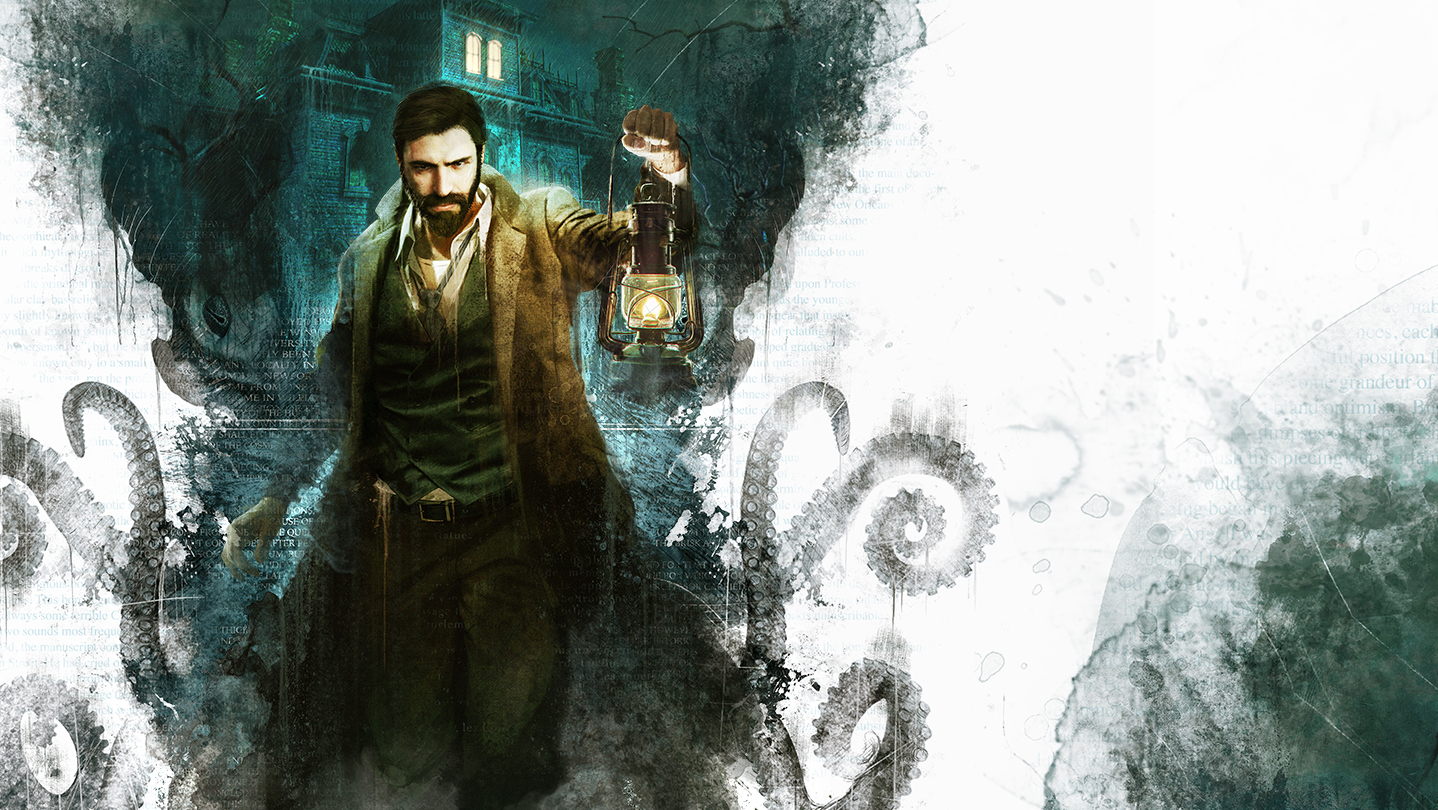
Call of Cthulhu
A 1920s Lovecraftian detective RPG where your investigator's mind slowly fractures. Atmospheric and genuinely unsettling, but the cracks in the mechanics show.
GamerScout Verdict
Best for narrative horror fans who want a tense Lovecraftian mystery and can forgive underbaked stealth and shallow combat.
Compare Prices(7 stores)
Every store in this table quotes us in euros, so the EUR figure is the price the seller actually set, not our arithmetic — which is why EUR is also the currency we rank in. We only list an offer here when the store gives us its price in euros, so nothing in this table is a number we invented.
Pick USD, PLN, GBP, CAD or AUD in the header and we convert from EUR at the European Central Bank reference rate — converted amounts are prefixed with ~. Your bank or the store may apply a different rate at checkout. We never hide offers based on where you are: everyone sees this whole table.
We may earn a commission when you buy games through links on this page — at no extra cost to you. It never affects our rankings or verdicts.
Price History
Screenshots & Media
About Call of Cthulhu
Call of Cthulhu drops you into the boots of Edward Pierce, a hard-drinking private detective hired to look into a suspicious death on the isolated Darkwater Island. The year is 1924, the fog never lifts, and the locals have secrets layered under more secrets. This is an investigation-focused RPG built around the tabletop roleplaying game of the same name, and it leans hard into that source material's core idea: knowledge is dangerous, your character is fragile, and the cosmic horror lurking underneath everything does not care about you. The mechanical spine of the game is a skill-point system covering Speech, Psychology, Spot Hidden, Occultism, Investigation, and a handful of others. How you distribute those points shapes which clues you find, which dialogue options open up, and which doors stay permanently closed on a given playthrough. This is the part that works best. Finding a hidden passage because you invested in Investigation, or talking a suspect into revealing something a lower-Speech build would never hear, genuinely feels like a detective doing detective work. The Sanity system feeds into this too. As Pierce witnesses things he was not meant to see, his grip on reality loosens in ways that alter dialogue, perception, and eventually the ending. It is a smart idea executed with enough consistency to matter. Where the game loses ground is in its pacing and its combat. The middle section drags noticeably, introducing stealth segments that feel bolted on from a different, less interesting game. The sneaking is clunky, the AI is inconsistent, and the encounter design during these stretches is the closest thing here to filler. Combat exists mostly as something to avoid, which is thematically appropriate for a Lovecraft story, but the few times it is forced on you it feels underdeveloped rather than deliberately uncomfortable. The RPG layer is also thinner than genre veterans might expect. Choices matter, but the branching is not especially wide. Multiple endings exist, but the paths converge more than they diverge. The writing sits somewhere between genuinely good and competently functional. The island's backstory and the central mystery have real dread to them. Side characters are mostly interesting, a few are memorable, and the lore rewards the players who read every scrap of paper and examine every painting. The atmosphere, helped by oppressive sound design and a color palette that seems constitutionally opposed to warmth, carries a lot of weight. If you have ever wanted a video game that actually captures why the Cthulhu Mythos is unsettling rather than just using its iconography as wallpaper, this game gets closer than most. For the right player, specifically someone who likes narrative-investigation games, tolerates limited combat, and finds slow atmospheric horror more compelling than action, this is a rewarding and underplayed experience. The mixed Steam reviews reflect real frustrations with the stealth and the relatively short runtime (eight to ten hours), but they slightly undersell how effective the horror is when it lands. RPG players expecting Baldur's Gate-level mechanical depth will bounce off it hard. Fans of games like Sherlock Holmes: Crimes and Punishments or Disco Elysium who want something darker and shorter will probably find it worth the time.

RPGs
Tags
System Requirements
Minimum
- Processor
- Pentium 3 800Mhz
- Memory
- 128MB RAM
- Graphics
- DirectX 9.0 3D compliant Video Card Hard Drive: 2.0 GB Sound: DirectX 8.1 Compatible
Recommended
- Processor
- Intel Core i7-3820 (3.6 GHz)/AMD FX-8370 (4.0 GHz)
- Memory
- 8 GB RAM
- Graphics
- 4 GB, GeForce GTX 970/Radeon R9 3…
Keep exploring
Community Discussion
Be the first to comment on Call of Cthulhu.
Reviews & Ratings
Game Info
- Developer
- Cyanide Studio
- Publisher
- Focus Home Interactive
- Release Date
- Oct 29, 2018