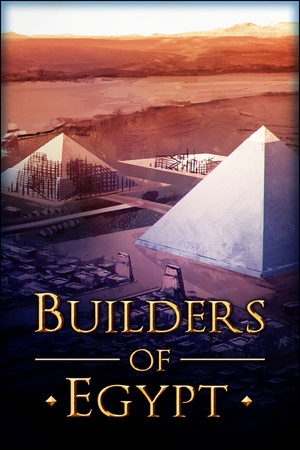
Builders of Egypt
Solid supply-chain fundamentals wrapped in an Egyptian setting, but a 'Mostly Negative' Steam rating and a persistent bug backlog are hard to overlook before you click purchase.
GamerScout Verdict
Worth a look for dedicated city-builder fans only if the known post-patch bugs have been resolved; newcomers should wait.
Compare Prices(8 stores)
Every store in this table quotes us in euros, so the EUR figure is the price the seller actually set, not our arithmetic — which is why EUR is also the currency we rank in. We only list an offer here when the store gives us its price in euros, so nothing in this table is a number we invented.
Pick USD, PLN, GBP, CAD or AUD in the header and we convert from EUR at the European Central Bank reference rate — converted amounts are prefixed with ~. Your bank or the store may apply a different rate at checkout. We never hide offers based on where you are: everyone sees this whole table.
We may earn a commission when you buy games through links on this page — at no extra cost to you. It never affects our rankings or verdicts.
Price History
Screenshots & Media
About Builders of Egypt
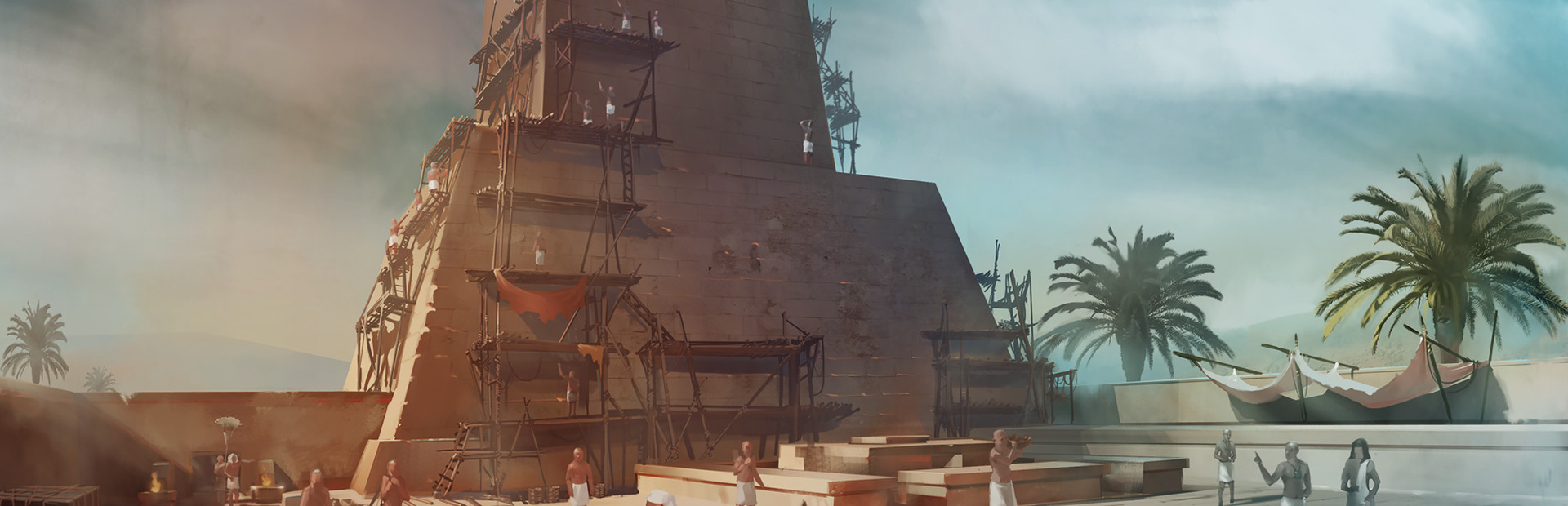
My first read of the reception numbers told me everything I needed to know before I even launched a session: roughly one in three Steam users gave this a thumbs up, and community threads from as recently as June 2026 describe game-breaking bugs that went unfixed after a patch cycle went wrong. That context matters, because underneath those numbers there is a genuinely competent city-builder that deserves a more honest look than its score alone provides. The mechanical skeleton is borrowed but functional. You lay roads on a grid, attract residents to housing, then build out a supply chain that spans clay pits, brickworks, granaries, and farms. Bread replaces gold as the in-game currency, which is a small but satisfying nod to how ancient Egyptian labor actually worked. The annual Nile flood is not set dressing; it physically disrupts farm output on a timed cycle, forcing you to pre-stock granaries before the inundation hits. Proximity bonuses between buildings add a layer of adjacency planning that veterans of the genre will recognize immediately, and the monthly wage-versus-trade-income ledger keeps enough pressure on your treasury to stay interesting across the early and mid campaign. The campaign itself spans roughly 40 scenarios, walking you from King Narmer's Memphis all the way through to Cleopatra's Ptolemaic period, with narrated historical briefings opening each mission. Religion systems require you to build and supply temples, with each mission tying worship to a specific deity whose favor you need to maintain. There is even light military management for those who want to push past the economics. Where things fall apart is frustrating precisely because the foundation is competent. Visual clarity is a genuine problem: the Unreal Engine presentation looks attractive in screenshots but fails to surface the information you actually need, like resource coverage radii and building range overlays. The UI does not compensate for this. Performance also scales poorly; mid-range hardware starts to struggle well before your city reaches monumental scale, which is exactly when you most want to be zooming out and appreciating your work. Critics who scored it placed it in the 60-70 range, noting that it draws too heavily from Pharaoh: A New Era without adding enough of its own ideas to justify the comparison. The campaign scenarios have been called repetitive, while the sandbox mode, which lets you build freely without mission constraints, has been more warmly received as the better use of the game's mechanics. The post-launch situation is the real concern right now. Community reports indicate a patch introduced new bugs that blocked basic tutorial missions, farm road connections broke, and developer communication on the forums essentially went quiet. That is not a small issue for a game that is still finding its audience. If you are a city-builder regular who played Pharaoh (either the original or the 2023 remake) and wants something to scratch the same itch with a fresh coat of 3D paint, you will find enough here to enjoy if you can work around the rough edges. If you are newer to the genre and hoping the campaign will ease you in gently, the combination of UI opacity, optimization problems, and active bugs makes that path harder than it should be. Wait for a patch that demonstrably addresses the known bugs before committing, or at minimum play the free Prologue first to stress-test your hardware and patience in equal measure.

Strategy & simulation
Tags
System Requirements
Minimum
- OS
- Windows 8.1x64 / Windows 10x64
- Memory
- 8 GB RAM
- DirectX
- Version 11
- Storage
- 20 GB available space
- Graphics
- GTX 1060 6GB VRAM or RX 580
- Processor
- i5 6600k or Ryzen 5 1600
- Sound Card
- DirectX Compatible Sound Device
Recommended
- OS
- Windows 8.1x64 / Windows 10x64
- Memory
- 12 GB RAM
- DirectX
- Version 11
- Storage
- 20 GB available space
- Graphics
- RTX 2060 or RX 5700
- Processor
- i7 6700k or Ryzen 5 3600
- Sound Card
- DirectX Compatible Sound Device
Keep exploring
Community Discussion
Be the first to comment on Builders of Egypt.
Reviews & Ratings
No ratings available
Game Info
- Developer
- Strategy Labs
- Publisher
- Strategy Labs
- Release Date
- Jan 8, 2025