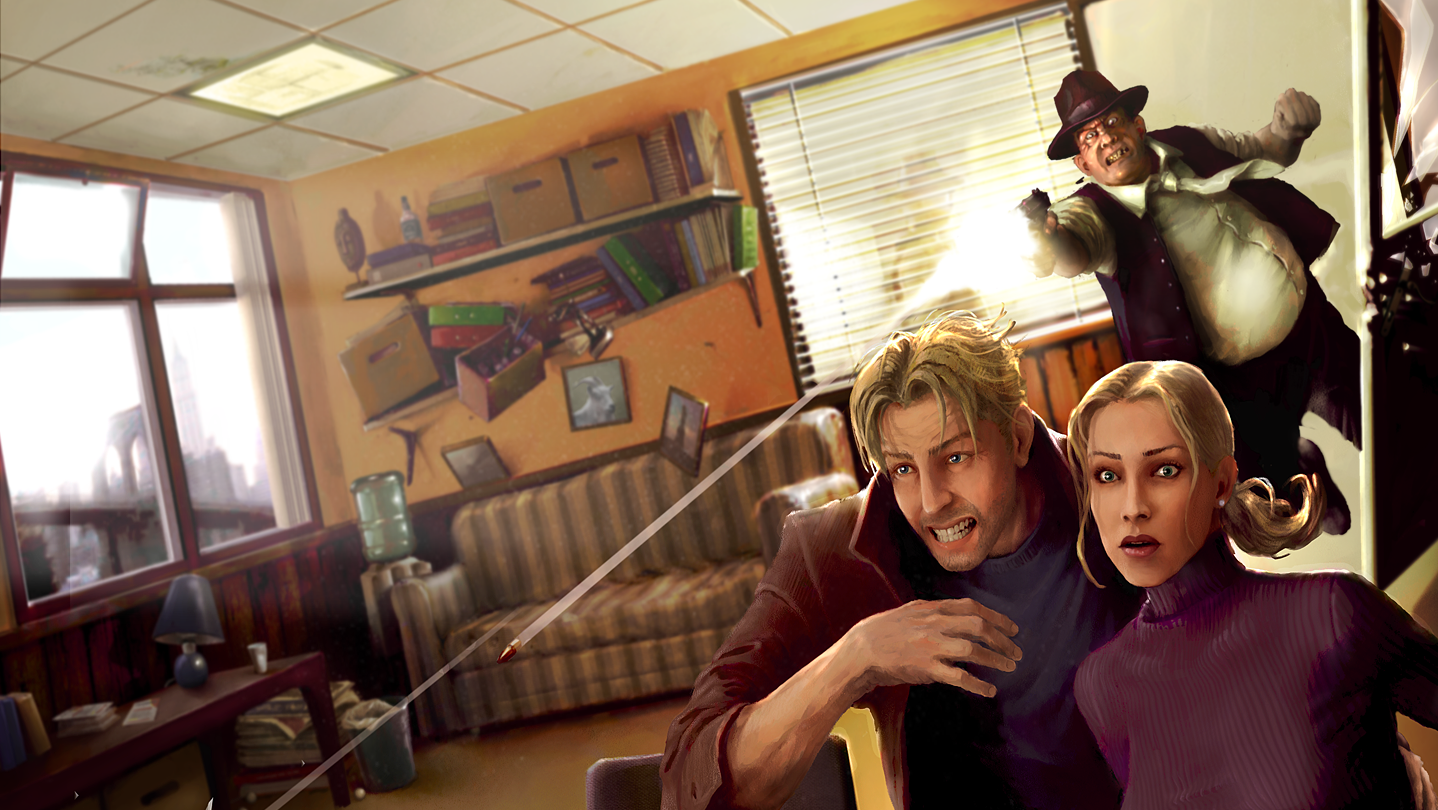
Broken Sword 4: The Angel of Death
George Stobbart is back, but this fourth entry leans harder on clunky puzzles than the charm that made the series beloved. Approach with tempered expectations.
GamerScout Verdict
A serviceable but frustrating chapter for Broken Sword loyalists only - newcomers should start with the first two games instead.
Compare Prices(4 stores)
Every store in this table quotes us in euros, so the EUR figure is the price the seller actually set, not our arithmetic — which is why EUR is also the currency we rank in. We only list an offer here when the store gives us its price in euros, so nothing in this table is a number we invented.
Pick USD, PLN, GBP, CAD or AUD in the header and we convert from EUR at the European Central Bank reference rate — converted amounts are prefixed with ~. Your bank or the store may apply a different rate at checkout. We never hide offers based on where you are: everyone sees this whole table.
We may earn a commission when you buy games through links on this page — at no extra cost to you. It never affects our rankings or verdicts.
Price History
Screenshots & Media
About Broken Sword 4: The Angel of Death
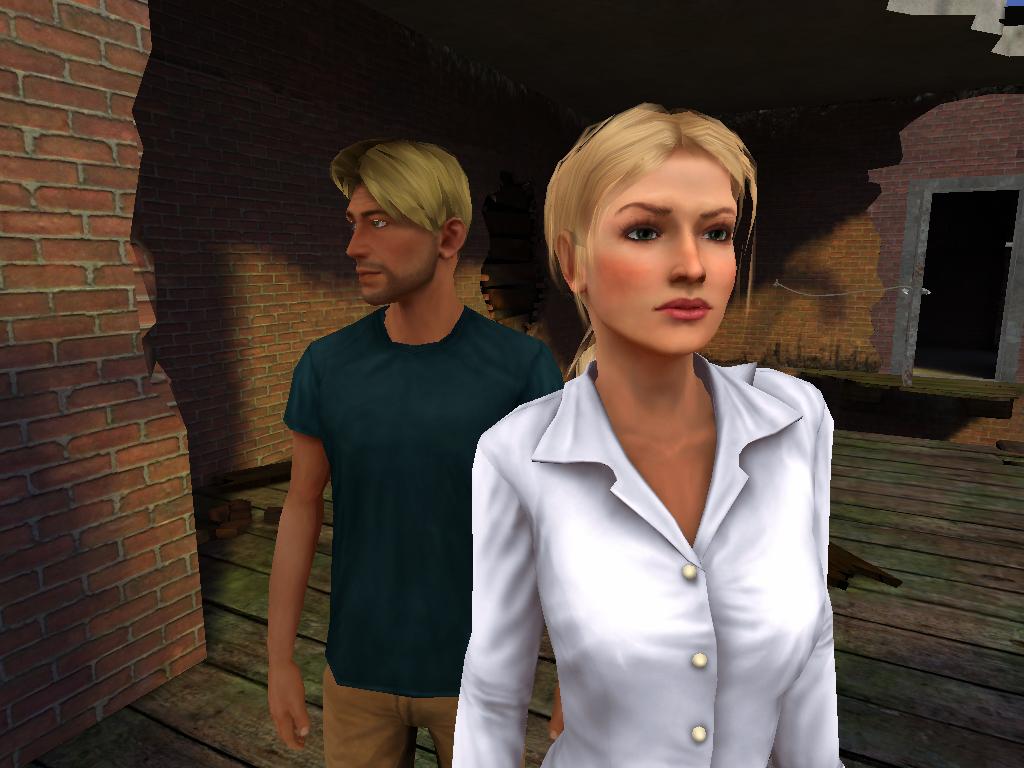
Broken Sword 4: The Angel of Death is a point-and-click adventure game, the fourth chapter in Revolution Software's long-running series following the perpetually unlucky American patent attorney George Stobbart. Developed by Sumo Digital rather than the original core team, it carries that slightly-off energy you feel when a familiar recipe is cooked in a different kitchen. George is pulled into another globe-trotting conspiracy after a mysterious woman arrives at his office with a dangerous artifact in tow. The setup is classic Broken Sword bait, and for the first hour or two, the nostalgia is genuinely pleasant. The tone here is darker and more self-consciously thriller-ish than the earlier entries. That shift is not automatically a bad thing, but the writing struggles to keep pace with its own ambitions. Dialogue that should crackle often just sits there. George's sardonic wit, so effortless in the first two games, feels strained and occasional. His companion Anna Maria is serviceable but never quite earns the emotional weight the game asks you to place on her. The conspiracy itself, involving a biblical artifact of terrible power, has the bones of a genuinely interesting story, but the execution meanders before a finale that arrives more as a relief than a revelation. Where the game most visibly strains is in its puzzle design. The series has always walked the line between satisfying lateral thinking and arbitrary item combination, and The Angel of Death stumbles to the wrong side of that line more than once. There are moments where the solution to a puzzle is technically logical but feels like it was designed for a walkthrough rather than a curious player. Inventory interactions are fiddly in a way that aged poorly, and some environmental puzzles have a trial-and-error quality that drains the atmosphere the game is otherwise trying to build. The interface, too, shows its age on PC in ways that a little extra polish could have addressed. Visually, the game uses a 3D engine rather than the hand-painted 2D backgrounds of the early entries, and the results are uneven. Some locations have a gloomy, textured atmosphere that suits the subject matter. Others look sparse and under-detailed, more functional than evocative. The soundtrack does quiet, competent work in the background without reaching the memorable heights of Barrington Pheloung's earlier contributions to the series. It sets a mood without burning itself into memory, which feels like a metaphor for the whole experience. For dedicated fans of the series, there is enough here to make it worth finishing. George is still George, the global settings still give the game a sense of scope, and a few late-game sequences genuinely deliver on the tension the story promises. But as an entry point to Broken Sword, or as an example of adventure game craft, it is a much harder recommendation. The 43% positive rating on Steam reflects a real split: people who love the franchise and want more of it will find something to hold onto, and people expecting the quality of Shadow of the Templars will be disappointed. This is a game that knows what it wants to be and does not quite get there.

Indie & narrative
Tags
System Requirements
Minimum
- Processor
- Pentium
- Memory
- 64 MB RAM
- Graphics
- Any video card with 64 Mb video RAM
- Storage
- 4 GB available space
- Sound Card
- Any
Keep exploring
Community Discussion
Be the first to comment on Broken Sword 4: The Angel of Death.
Reviews & Ratings
Game Info
- Developer
- Sumo Digital Ltd
- Publisher
- Revolution Software Ltd
- Release Date
- Nov 4, 2014