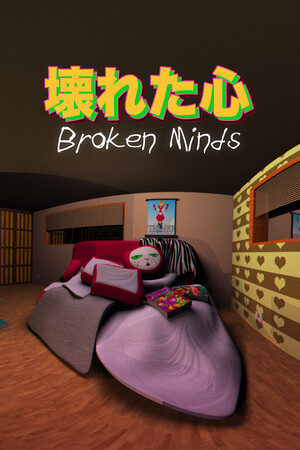
Broken Minds
A handcrafted visual novel that hides a dissociative identity disorder twist inside a 90s Japan murder case - small, weird, and surprisingly hard to put down.
GamerScout Verdict
Best for visual novel fans who replay for lore, not just completionism - the DID twist makes the second run feel like a different game.
Compare Prices(6 stores)
Every store in this table quotes us in euros, so the EUR figure is the price the seller actually set, not our arithmetic — which is why EUR is also the currency we rank in. We only list an offer here when the store gives us its price in euros, so nothing in this table is a number we invented.
Pick USD, PLN, GBP, CAD or AUD in the header and we convert from EUR at the European Central Bank reference rate — converted amounts are prefixed with ~. Your bank or the store may apply a different rate at checkout. We never hide offers based on where you are: everyone sees this whole table.
We may earn a commission when you buy games through links on this page — at no extra cost to you. It never affects our rankings or verdicts.
Price History
Screenshots & Media
About Broken Minds
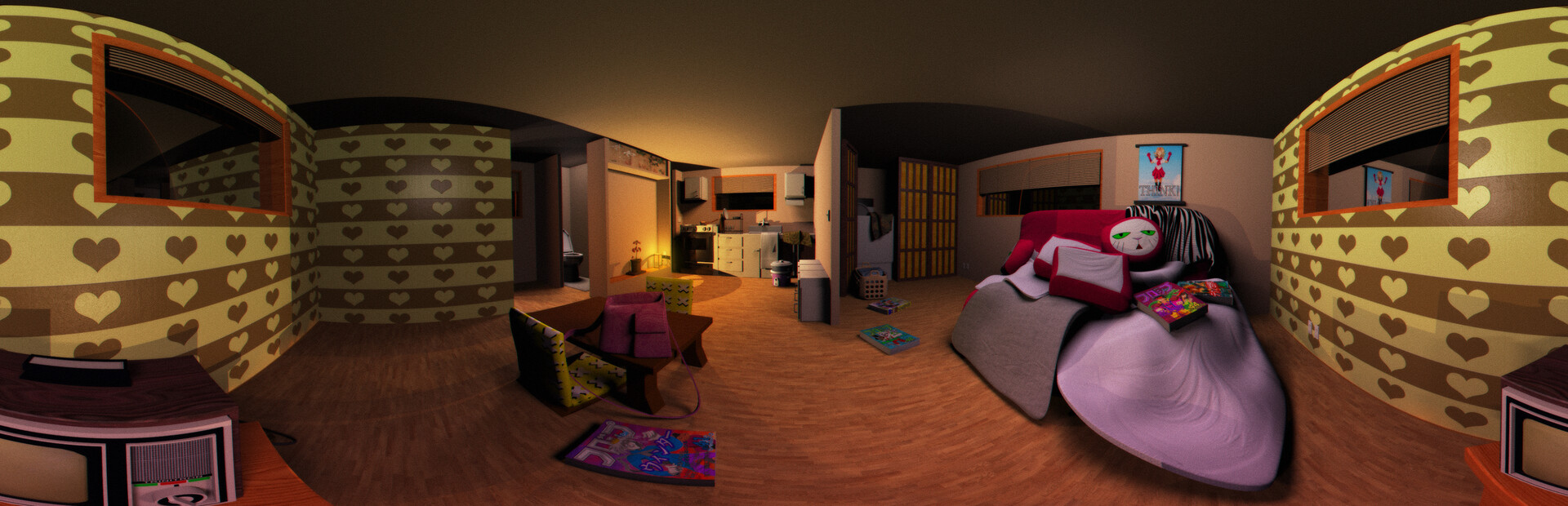
My first instinct when I loaded Broken Minds was to treat it like a quiet little itch.io oddity that wandered onto Steam by accident. That instinct was right, but not in the way I expected - this one has a genuine structural trick up its sleeve that most narrative games three times its size never attempt. You are Noa Karada, a lonely twenty-something in Yamagata, Japan, being stalked by a rabbit-masked killer calling itself The Orphan. You hire the Yamagata Private Detective Agency for help. The core conceit here is unusual: you are the client, not the detective, so the gameplay is not about gathering clues yourself. Instead you argue with eccentric, increasingly unreliable detectives during Logic Train sequences, steering them toward the deductions you want them to reach. Each conversation asks you to respond as NICE, BLEAK, or PSYCHOPATH, and that emotional register compounds across the whole run, shaping which ending you reach and - in a reveal saved for later playthroughs - explaining something fundamental about who Noa actually is. The game leans into dissociative identity disorder as both story layer and mechanical conceit, and it earns the framing more than most games that touch the subject. The presentation is one-person handcraft through and through, built in Ren'Py but pushed past the engine's defaults. Pre-rendered 3D environments let you click through different angles of each location, giving the space a grounded physicality that straight illustrated visual novels rarely achieve. The original soundtrack runs to over an hour and the atmospheric fit is right - faintly grainy, era-appropriate without being pastiche. The art style lands somewhere between stylized cartoon and psychedelic comic, which suits a story where reality is already slipping. None of this looks like a AAA budget, but it looks intentional, and that matters. The friction points are real. The Wheel of Fallacies minigame has frustrated enough players that the developer added a Casual Sleuth difficulty mode specifically to make it skippable. A few of the Logic Train puzzles have ambiguous correct answers that feel more like trial and error than deduction. And the 26 endings - six main ones with twenty variations around them - sounds generous until you realize most repeat significant sections, even if a flowchart helps you track routes across runs. Seen-text skipping softens repeat playthroughs once you have unlocked it, but the first grind through alternate routes takes patience. Who is this for? Players who will read every line of a visual novel, who want something that rewards a second and third run with genuine new information rather than cosmetic variation, and who do not need high production values as long as the craft feels considered. If you bounced off Zero Escape or Higurashi for being too long, Broken Minds fits in a session or two. If you loved those and want something smaller and stranger made by one person in Yamagata's honor, it is sitting right here, largely undiscovered, waiting.

Indie & narrative
Tags
System Requirements
Minimum
- OS
- XP
- Memory
- 2 GB RAM
- Storage
- 2 GB available space
- Processor
- 1 GHz
Recommended
- OS
- Windows 10
- Memory
- 2 GB RAM
- Storage
- 2 GB available space
- Processor
- 2 GHz
Keep exploring
Community Discussion
Be the first to comment on Broken Minds.
Reviews & Ratings
No ratings available
Game Info
- Developer
- LockedOn
- Publisher
- LockedOn
- Release Date
- May 28, 2018