Bleeding Edge
Ninja Theory built a genuinely fun melee brawler core, then forgot to ship enough content around it. Dead servers make this a historical curiosity in 2024, not a live game.
GamerScout Verdict
Skip unless you can wrangle 7 friends for a private match - the servers are empty and development ended in 2021.
Compare Prices(6 stores)
No offers for PC right now.
Every store in this table quotes us in euros, so the EUR figure is the price the seller actually set, not our arithmetic — which is why EUR is also the currency we rank in. We only list an offer here when the store gives us its price in euros, so nothing in this table is a number we invented.
Pick USD, PLN, GBP, CAD or AUD in the header and we convert from EUR at the European Central Bank reference rate — converted amounts are prefixed with ~. Your bank or the store may apply a different rate at checkout. We never hide offers based on where you are: everyone sees this whole table.
We may earn a commission when you buy games through links on this page — at no extra cost to you. It never affects our rankings or verdicts.
Price History
Screenshots & Media
About Bleeding Edge
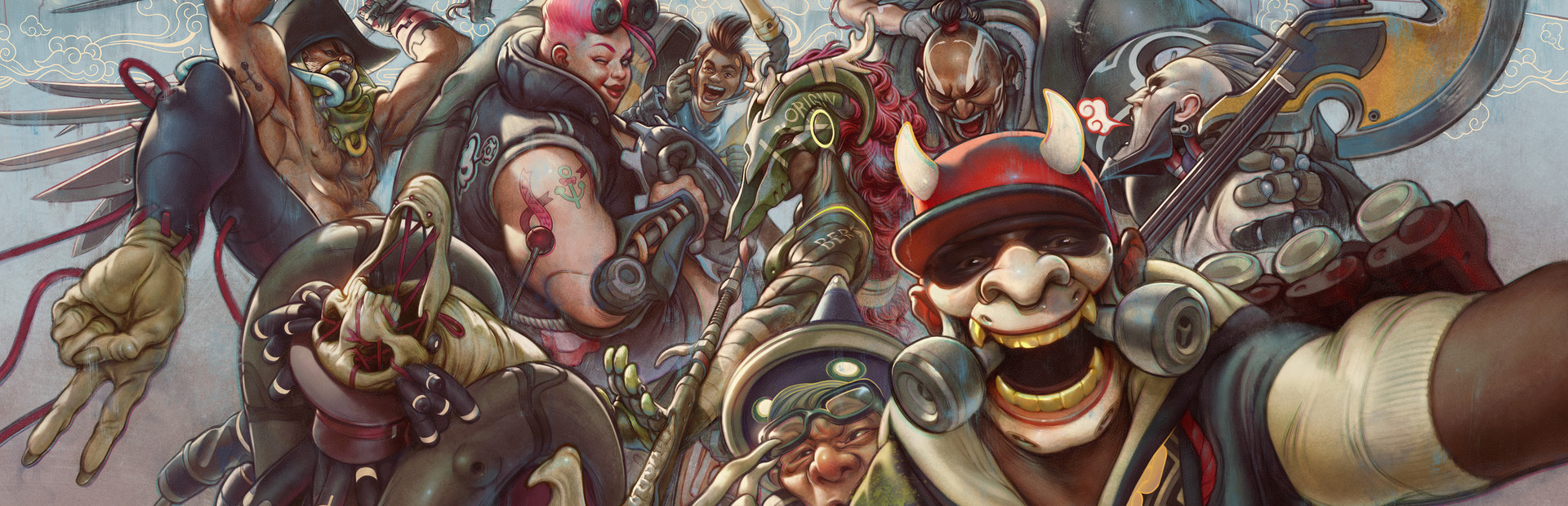
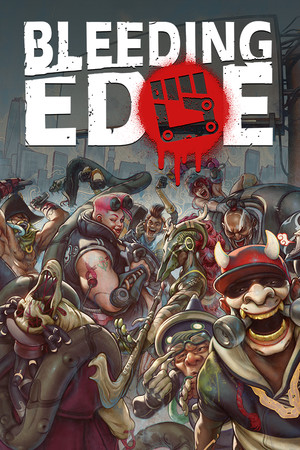
I came into Bleeding Edge the same way I come into any new competitive multiplayer: looking for something to grind. Four-versus-four, third-person brawler, cyberpunk aesthetic, Ninja Theory behind it. On paper that combination had no business being boring. And for the first couple of sessions it really was not. The melee-focused combat lands with actual weight, combos feel reactive rather than floaty, and the three-class system of Damage, Support, and Tank does create real team-composition tension when your squad is communicating. Characters like Daemon bring stealth and sword pressure, Miko opens up a freeze-bolt support line, and Buttercup lets you play a spin-to-win tank with detachable saw blade arms. That is genuinely creative character work from a studio that knows how to build spectacle. The problems start accumulating around hour three. There are only two core game modes at launch: Objective Control, which rotates three capture points in a way that creates lulls instead of pressure, and Power Cell Control, a collect-and-deliver variant that rewards ignoring the objective in favour of killing. Five maps total, and they share a visual language close enough that you stop noticing the differences. The per-character mod system, where you slot three loadout upgrades to shift a character's kit, has depth on paper but the upgrade options for most characters are not dramatic enough to change how a match plays out. From a shooter-specialist perspective, there is also no manual aiming. Combat uses a lock-on system, which flattens the skill expression ceiling and makes mouse-and-keyboard feel pointless as an input. If you came here for precision, you will not find it. The netcode and infrastructure story is the real dealbreaker. At launch the game shipped without dedicated servers, no MMR, and no matchmaking logic worth the name. Server instability caused lag-outs in the early weeks, and the region-locking decisions that followed left some markets with 30-plus minute queue times. There was never a ranked ladder, which for a game that pitches itself as competitive, is hard to forgive. Ninja Theory ended all development on Bleeding Edge in January 2021, roughly ten months after release. No new content has dropped since. The servers are technically still running but concurrent player counts have flatlined at single digits on Steam. Cross-platform play with Xbox exists, but the pool is not large enough to matter anymore. To be clear about what was lost here: the minute-to-minute brawling is legitimately solid when you get four real players on each side who know their class role. The visual style is chaotic in a way that sometimes obscures teamfight reads, but the animations are clean and the character variety is real. No loot boxes, no pay-to-win currency, progression tied entirely to playtime. Those are all things worth saying out loud in 2020. They just did not arrive inside a game with enough content or backend infrastructure to keep a player base alive long enough to matter. The history of this genre is littered with titles that launched thin and died fast, and Bleeding Edge belongs on that list alongside LawBreakers and Battleborn.
Shooters
Tags
System Requirements
Minimum
- OS
- 7, 8, 10
- Memory
- 8 GB RAM
- DirectX
- Version 11
- Network
- Broadband Internet connection
- Storage
- 15 GB available space
- Graphics
- Nvidia GTX 760 / AMD Radeon 7950
- Processor
- Intel i5 4430 / AMD FX 8350
Recommended
Requires a 64-bit processor and operating system
Keep exploring
Community Discussion
Be the first to comment on Bleeding Edge.
Reviews & Ratings
Game Info
- Developer
- Ninja Theory
- Publisher
- Ninja Theory
- Release Date
- Mar 24, 2020